Matcha vs Green Tea: What Ceremonial Matcha Really Means
Matcha explained: how this shade-grown, stone-ground tea differs from green tea, what ceremonial matcha means, how to drink it, and where to order it in Jeddah.
. 6 min read
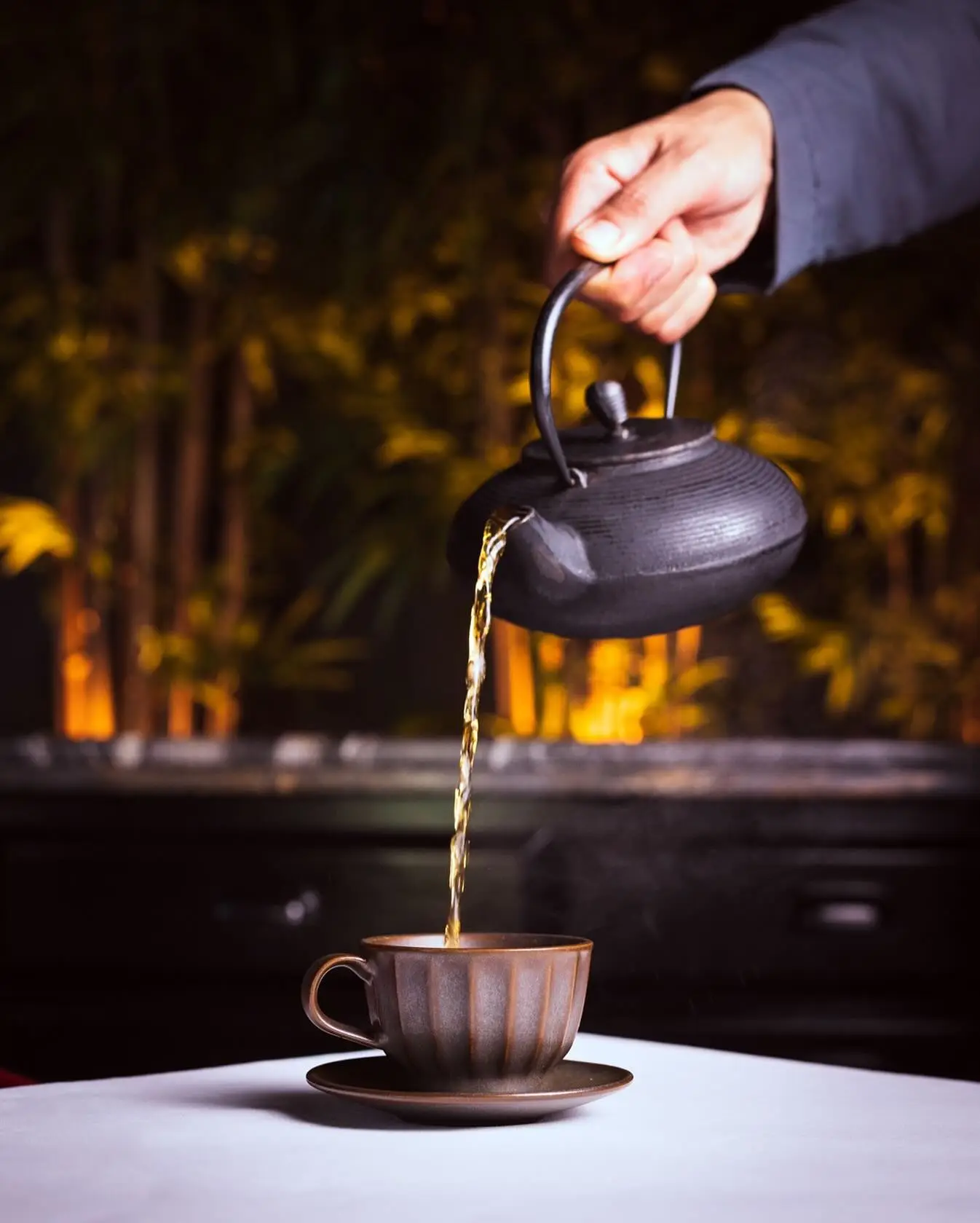
Matcha is green tea in powder form: leaves grown in shade, dried, then stone-ground so fine that they disappear into water when whisked. Because you drink the whole leaf rather than an infusion of it, matcha tastes richer, greener and more savoury than a cup of steeped green tea.
Ceremonial Matcha is on the tea list at Toki, a Chinese restaurant in Al Khalidiyah, Jeddah, selected in the MICHELIN Guide Saudi Arabia. This guide covers where matcha comes from, what “ceremonial” actually means, how matcha compares with green tea, and how to drink it.
What is matcha?
Matcha is a fine powder made from shade-grown green tea leaves. It is whisked into hot water rather than steeped, so the powder stays suspended in the bowl and you drink the leaf itself.
The work starts weeks before the harvest, when the tea bushes are covered to block most of the sunlight. In the shade the leaves turn a deeper green and build up more of the compounds that taste sweet and savoury. After picking they are steamed, dried, and stripped of stems and veins. That leaf, called tencha, is then ground slowly between granite stones into a soft, bright powder.
Where does matcha come from?
Matcha has its roots in China. Whisked powdered tea was the fashionable way to drink tea during the Song dynasty, from 960 to 1279, and Zen monks who studied in China carried the method to Japan, where it became matcha.
The best known of those monks, Eisai, returned to Japan from China in 1191 with tea seeds and the custom of drinking powdered tea in Zen temples. Over the following centuries Japan built its tea ceremony, chanoyu, around whisked matcha, and the Uji district near Kyoto became its most famous growing region. China moved in another direction: from the Ming dynasty onwards, loose leaves steeped in water became the norm, and that is how most Chinese tea is drunk today.
What does ceremonial matcha mean?
“Ceremonial” is a market term, not an official grade. No standards body defines it, so each brand decides what it means. In general, sellers use it for their finest matcha, made to be whisked with water and drunk on its own.
Matcha sold as ceremonial is usually made from young leaves of the first spring harvest, ground very fine, vivid green and smooth enough to drink without milk or sugar. Lower grades, often sold as culinary or latte grade, taste more bitter and are meant for mixing with milk or for baking. Judge matcha by colour, aroma and taste rather than by the label: good matcha is bright jade green, smells fresh and grassy, and tastes sweet and savoury with only a light bitterness.
What is the difference between matcha and green tea?
Matcha and green tea come from the same plant, Camellia sinensis, but they are grown, processed and drunk differently. Green tea leaves are steeped in water and then removed. Matcha is shade-grown, ground to a powder and whisked in, so you drink the whole leaf.
- Growing: matcha is shaded before the harvest. Most green tea grows in full sun.
- Processing: matcha leaves are steamed, dried and stone-ground. Chinese green teas are usually heated in a hot pan and rolled, and keep their leaf shape.
- Brewing: green tea is infused in a pot or cup and poured off the leaves. Matcha is whisked in a bowl and drunk straight away.
- Colour and body: steeped green tea is clear, pale and light. Matcha is opaque, jade green, fuller and creamier.
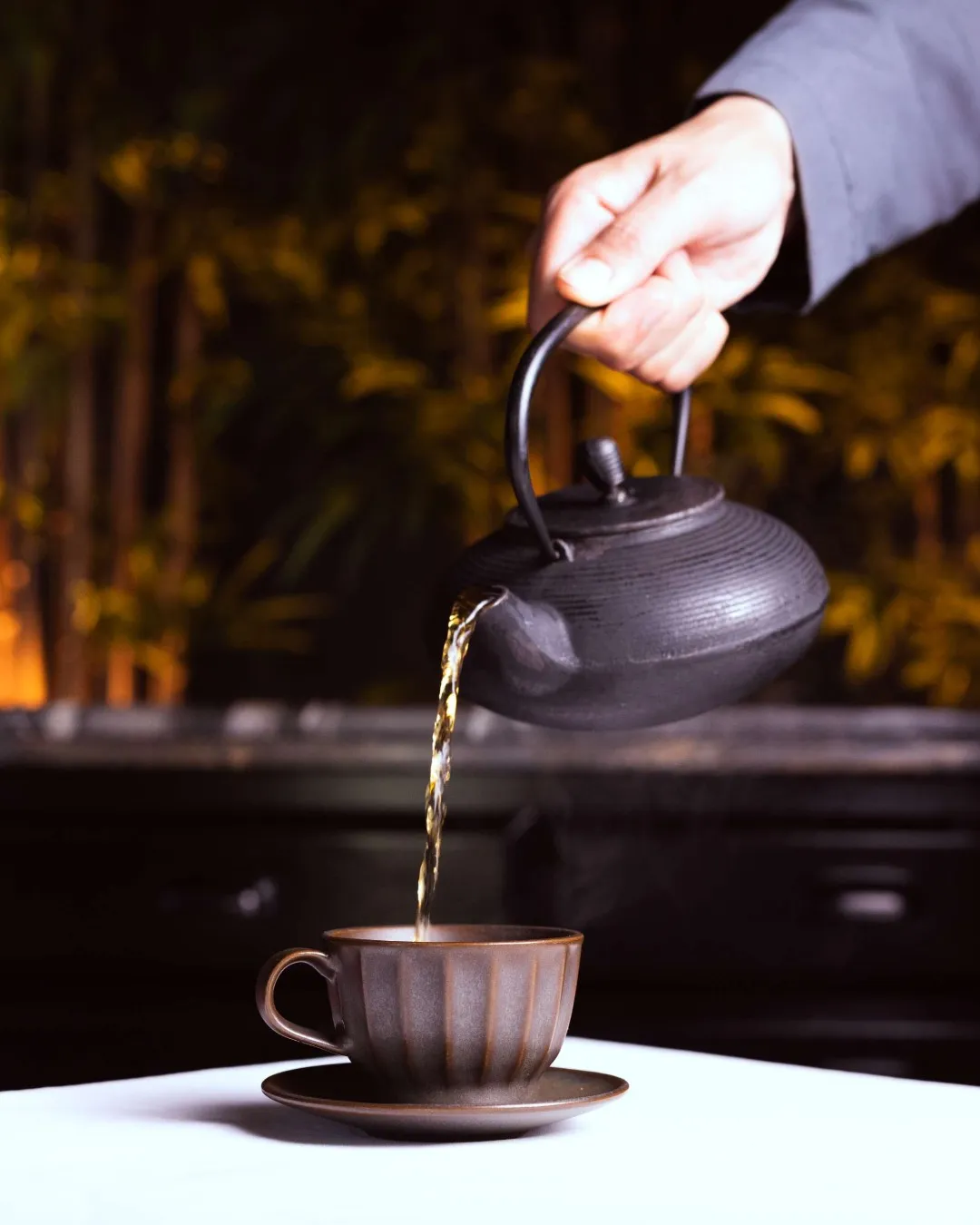
On Toki’s tea list, Gunpowder Green Tea and Jasmine Dragon Pearl are steeped Chinese green teas, which makes them the clearest comparison with the matcha on the same menu.
What does matcha taste like?
Good matcha tastes grassy, gently sweet and deeply savoury, with a soft bitterness at the end. That savoury depth is umami, the taste you also find in broths and mushrooms, and shading the leaves is what builds it.
Texture matters as much as flavour. Properly whisked, matcha carries a fine foam on top and a smooth, almost creamy body. Toki’s menu describes its Ceremonial Matcha as “Premium Japanese matcha with rich umami and a velvety green finish”.
Does matcha have caffeine?
Yes. Matcha contains caffeine, and because you drink the whole ground leaf, a bowl usually carries more than a cup of steeped green tea. The exact amount depends on how much powder goes in.
If you would rather skip caffeine after dinner, Toki’s Chamomile is a herbal infusion made without tea leaves.
How do you drink matcha?
Sift a small spoonful of powder into a wide bowl, add a little hot water that is well off the boil, and whisk briskly in a zigzag with a bamboo whisk until a fine foam forms. Drink it straight away, before the powder settles.
Japan has two classic styles. Usucha, thin tea, is the everyday frothy bowl. Koicha, thick tea, uses far more powder and much less water, and is kneaded slowly with the whisk into a dense, glossy tea served at formal ceremonies. In a traditional ceremony a small sweet comes before the tea to balance its bitterness. Outside Japan matcha is most often drunk as a latte with milk, and ceremonial grade is usually kept for drinking with water alone.
When should you order matcha at Toki?
Order Ceremonial Matcha at the end of the meal. Its umami and gentle bitterness close a dinner of rich, shared dishes cleanly, and it suits the slower pace once the mains are cleared.
Toki serves nine teas. Alongside the matcha there are the Chinese green teas Jasmine Dragon Pearl and Gunpowder Green Tea, Green Tea with Mint, Milky Oolong, two black teas, Earl Grey Royale and English Breakfast, and two infusions, Yuzu Honey and Chamomile. For steamed dim sum, jasmine tea is the natural partner. The Chinese tea guide pairs each tea with dishes, and the mocktails guide covers the cold drinks.
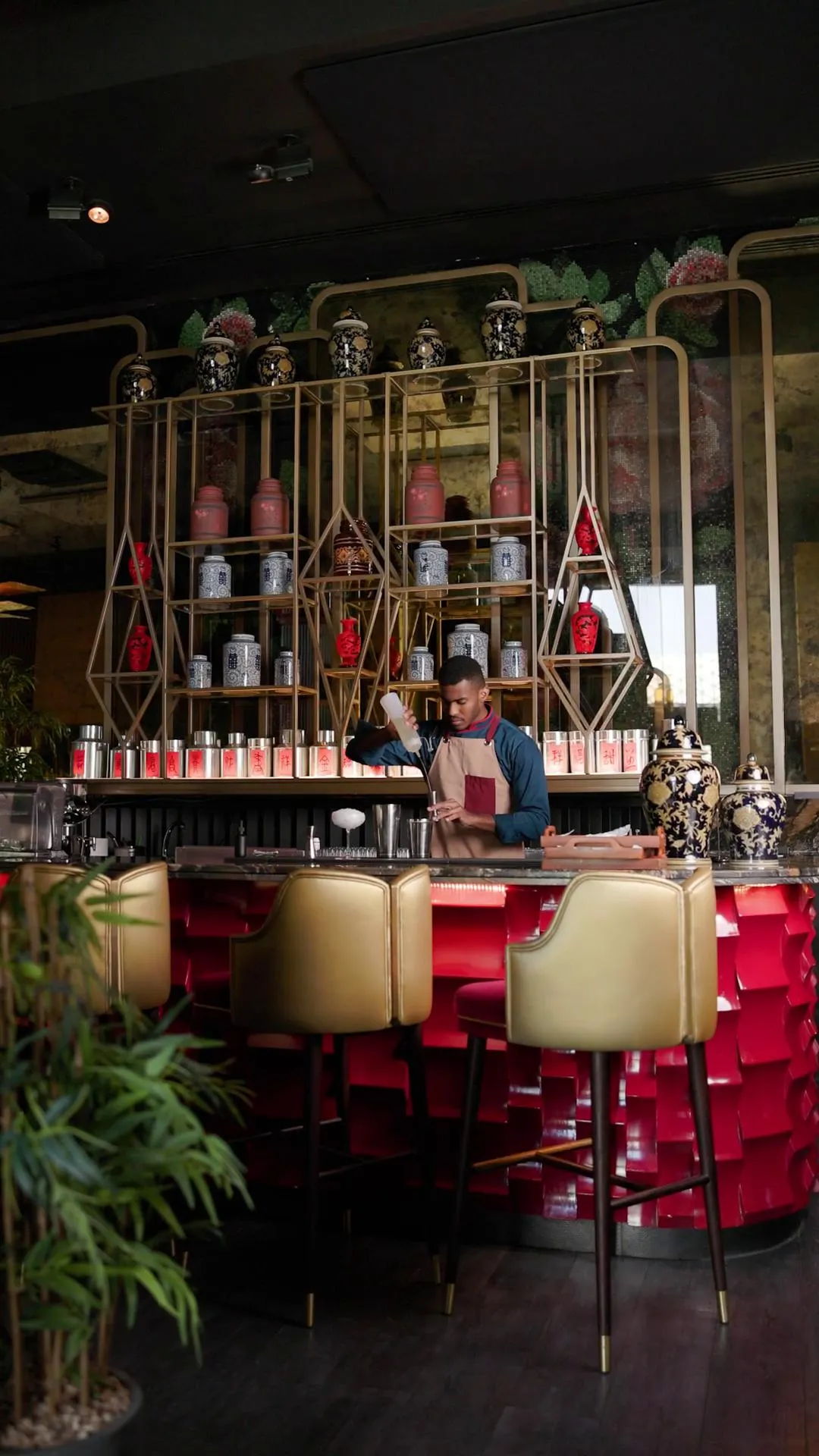
Tea and Chinese food have always gone together. The Cantonese call a dim sum meal yum cha, which means “drink tea”, as the beginner’s guide to dim sum explains, and the Chinese food glossary covers the other names you will meet on the menu. Current prices are on the menu.
Where can you drink ceremonial matcha in Jeddah?
At Toki, on King Abdulaziz Road in Al Khalidiyah, Jeddah, where Ceremonial Matcha is on the tea list next to eight other teas. Find opening hours and directions on the visit page.
You can book your table online or call reservations on 050 466 5658.
Quick answers
Is matcha Japanese or Chinese?
Both, in a sense. Whisked powdered tea began in Song dynasty China, and Japan turned it into matcha as it is known today. Toki’s Ceremonial Matcha is Japanese.
Is matcha stronger than green tea?
Yes, in flavour and usually in caffeine, because you drink the whole ground leaf rather than an infusion of it.
Is ceremonial matcha an official grade?
No. It is a market term with no official standard, generally used for a brand’s finest matcha, made to be drunk with water alone.
Is Toki halal?
Yes. Toki runs a halal kitchen.