Chinese Food Names Explained: A Glossary From Bao to Wok
Chinese food names explained: an A to Z glossary of 30 Chinese dishes and dining terms, from bao and dim sum to wok hei, and where to try them in Jeddah.
. 6 min read
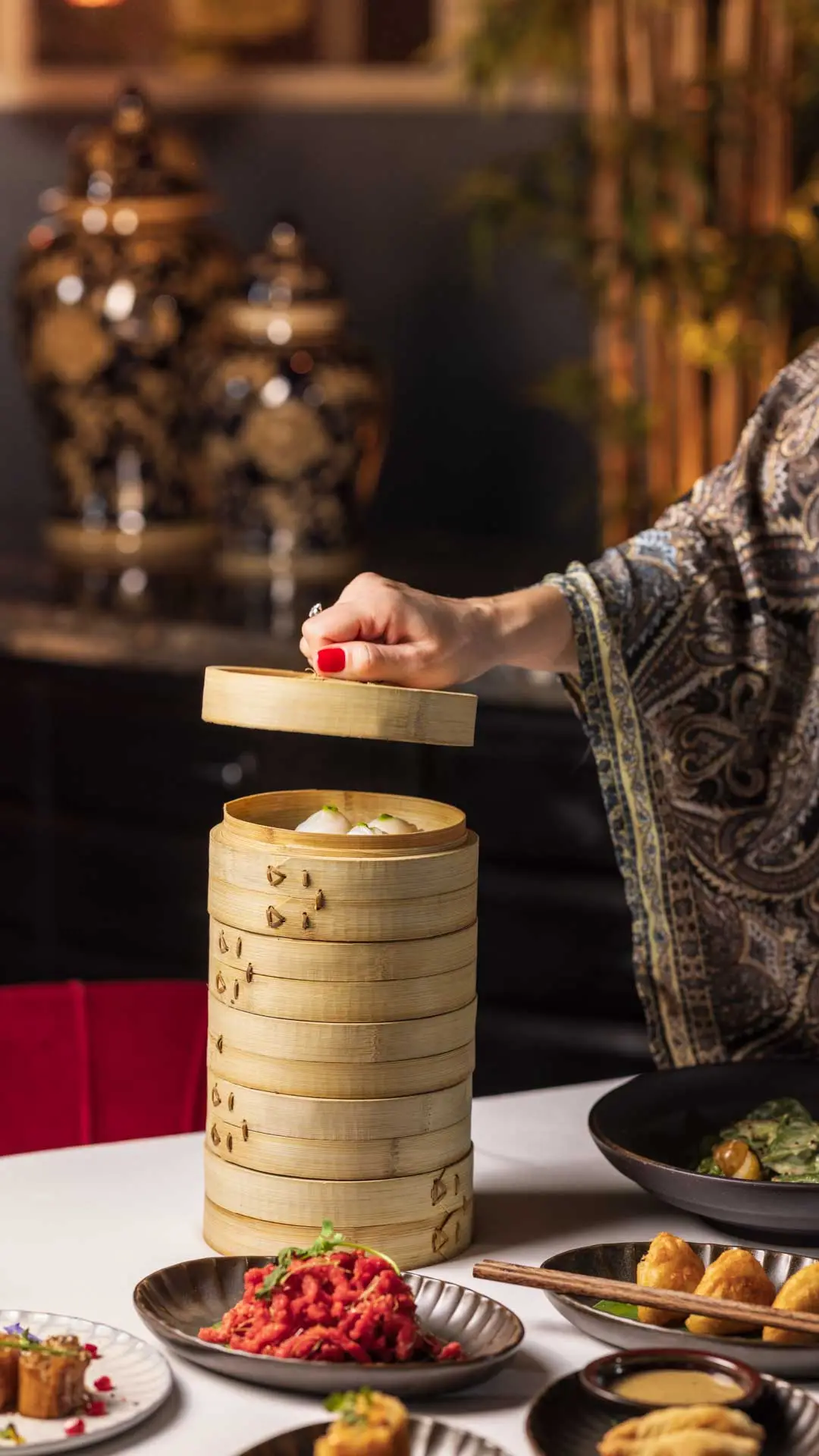
Chinese food names make sense once someone explains them. Dim sum means “touch the heart”, wok hei is “the breath of the wok”, and xiao long bao is a “little basket bun” with soup sealed inside.
This glossary explains 30 Chinese dishes and dining terms you will meet at Toki, a Chinese restaurant in Al Khalidiyah, Jeddah, selected in the MICHELIN Guide Saudi Arabia. Each entry links to the dish on the menu or to the guide that goes deeper. For help choosing, start with what to order at Toki and the classic Chinese dishes at Toki.
B: bang bang to black vinegar
- Bang bang: a Szechuan way of serving cooked chicken, shredded and dressed in a sesame and chili sauce. The name is usually traced to the stick once used to beat the meat. Toki’s Bang Bang Chicken adds pandan cream and pineapple aioli.
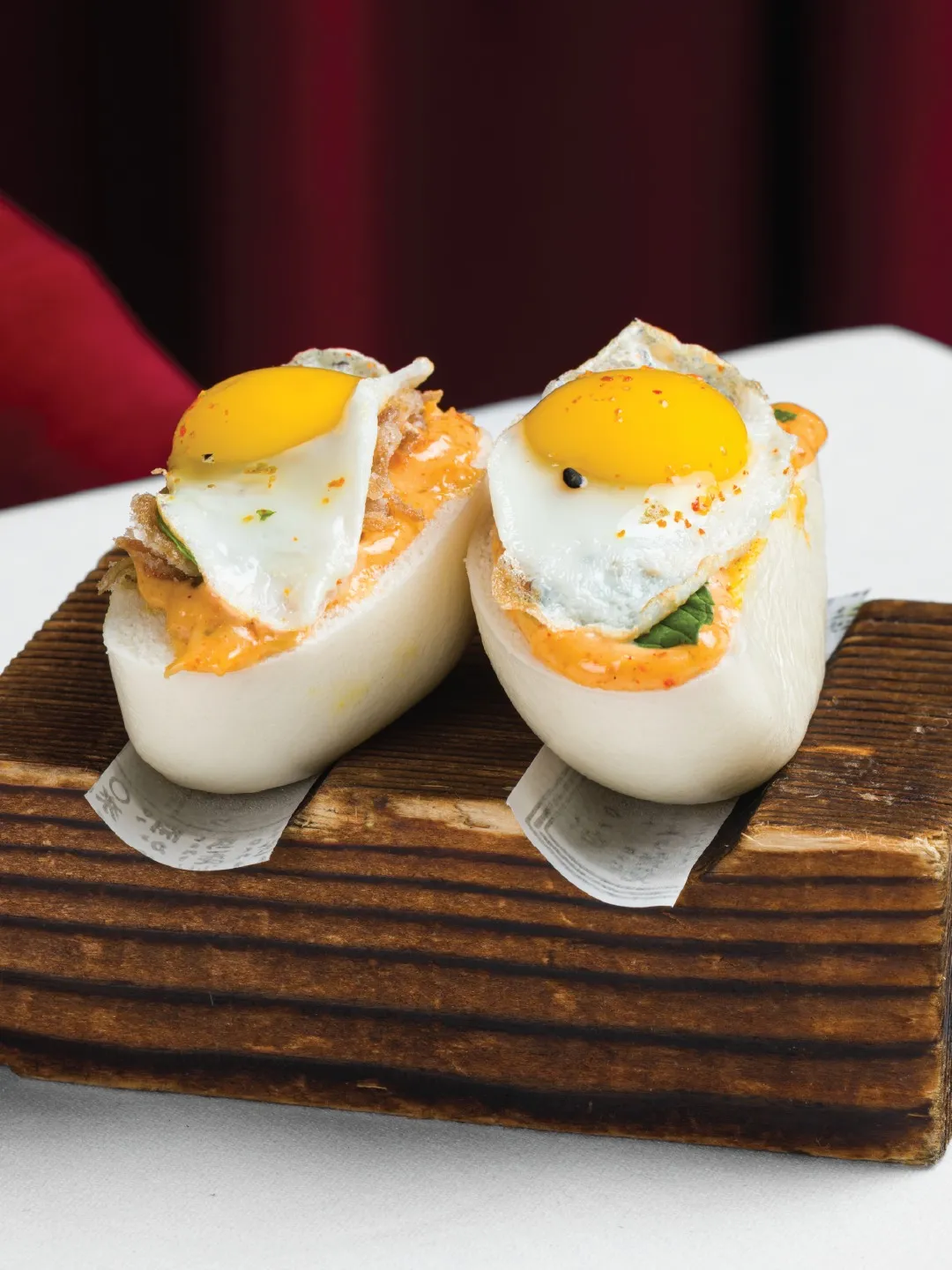
- Bao: a soft, yeasted Chinese bun, usually steamed and filled. The full name is baozi. Steamed, pan fried and baked styles are in bao buns explained.
- Black bean sauce: a salty, savoury sauce built on fermented black soybeans, a staple of Cantonese stir-fries. Try it in the Black Bean Angus.
- Black vinegar: a dark, mellow Chinese vinegar made from grain, with Zhenjiang (Chinkiang) vinegar the best known. It gives Kung Pao Chicken its sharp edge.
C: Cantonese to crystal wrapper
- Cantonese: the cooking of Guangdong province and Hong Kong in southern China, built on fresh ingredients, steaming, light sauces and dim sum. Read Cantonese cuisine explained.
- Chopsticks: kuaizi in Mandarin, the everyday eating tool at a Chinese table. How to use chopsticks covers the grip and the etiquette.
- Chow mein: “fried noodles”. Boiled noodles stir-fried in a wok with vegetables and sauce until some strands crisp. The Chinese noodles guide compares it with other styles.
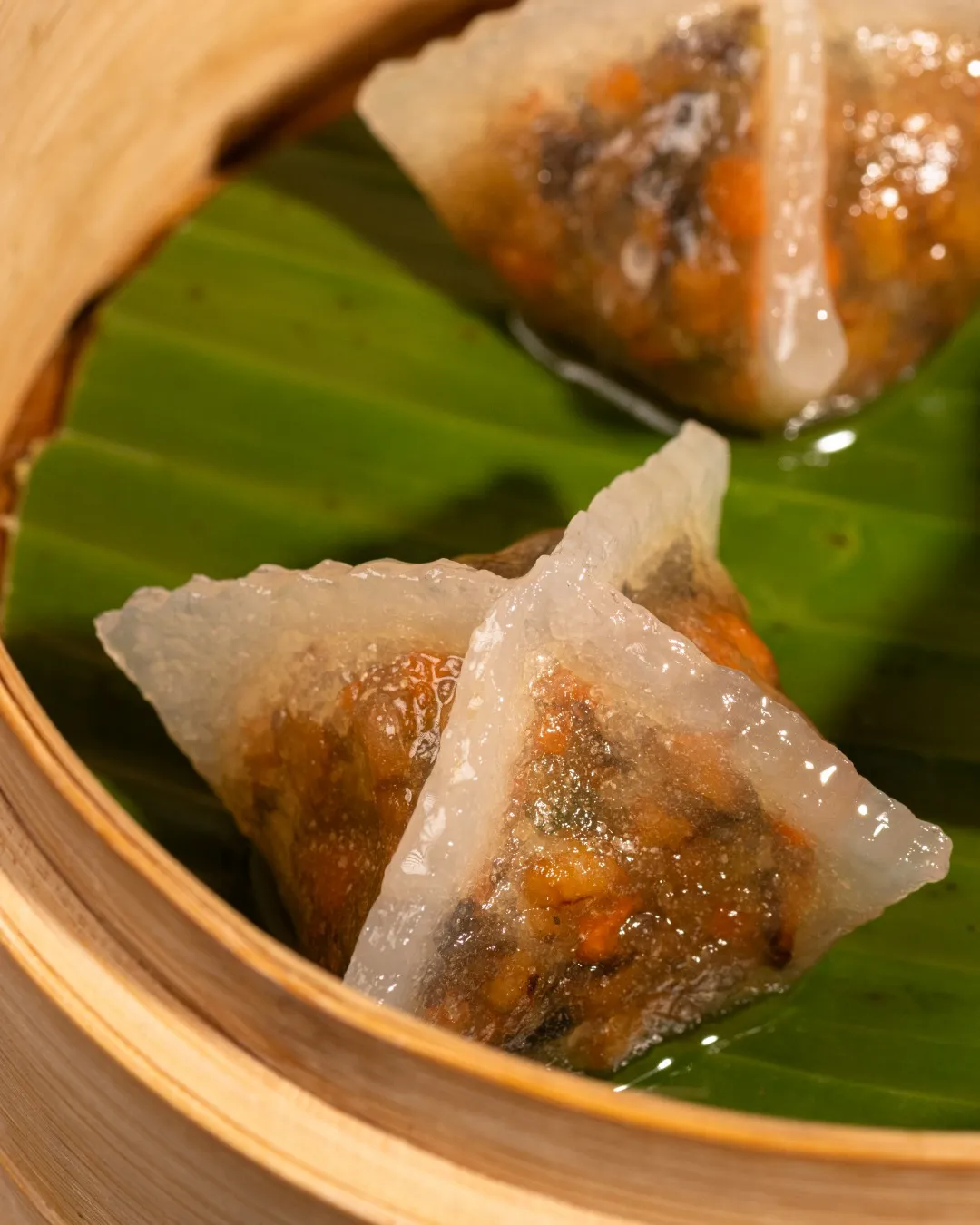
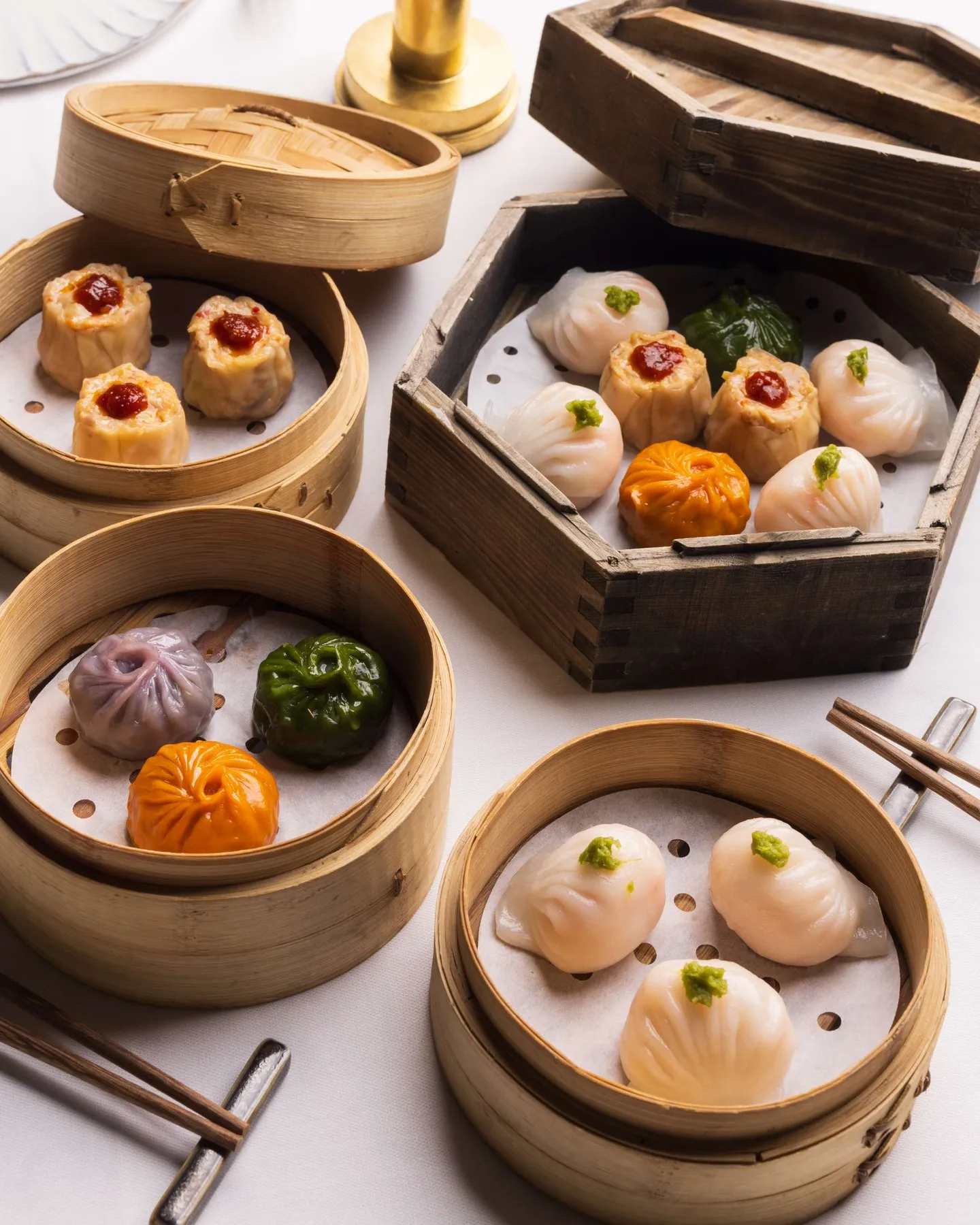
- Crystal wrapper (har gao): a thin dough of wheat starch and tapioca starch that turns glassy and translucent when steamed. Har gao is the classic shrimp dumpling made with it. At Toki, look for Crystal Shrimp and the Crystal Mushroom Dumpling.
D: dim sum and dumpling
- Dim sum: Cantonese for “touch the heart”, the small steamed, fried and baked dishes served with tea. Start with the complete guide to dim sum in Jeddah.
- Dumpling: a filling sealed in a thin dough wrapper, then steamed, boiled or fried. In northern China, crescent-shaped jiaozi are eaten at the New Year, as Chinese New Year food explains. The steamer baskets are sorted in types of dim sum.
F and G: five spice and glass noodles
- Five spice: a ground blend, usually star anise, cloves, Chinese cinnamon, Szechuan pepper and fennel seed, that brings warm, sweet and tingling notes together. Cantonese vs Szechuan shows how spice use changes by region.
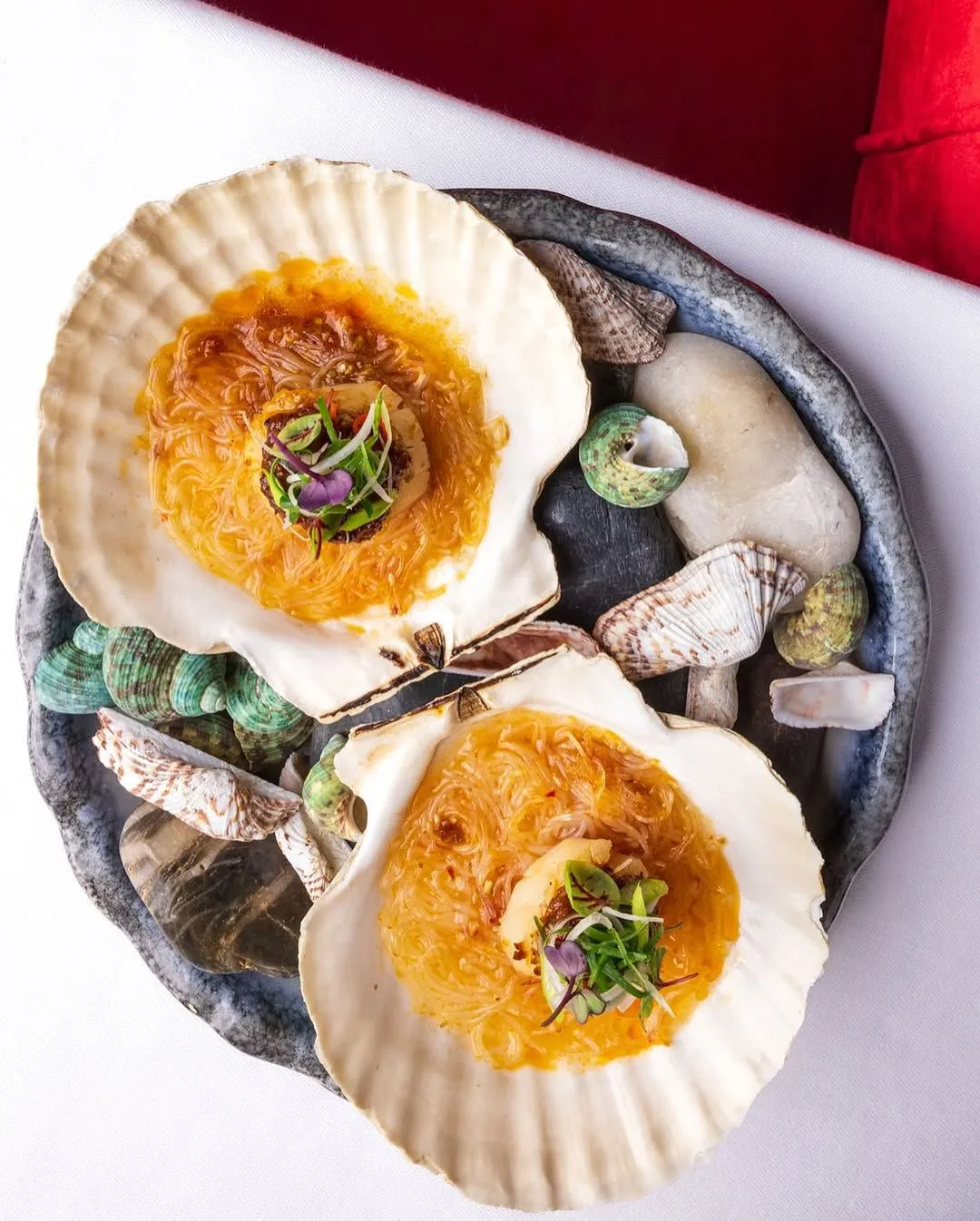
- Glass noodles: thin noodles made from starch, often mung bean, that turn clear when cooked. They appear in the Baked Scallops and the Vegetable Spring Roll.
H and J: hoisin and jasmine pearl
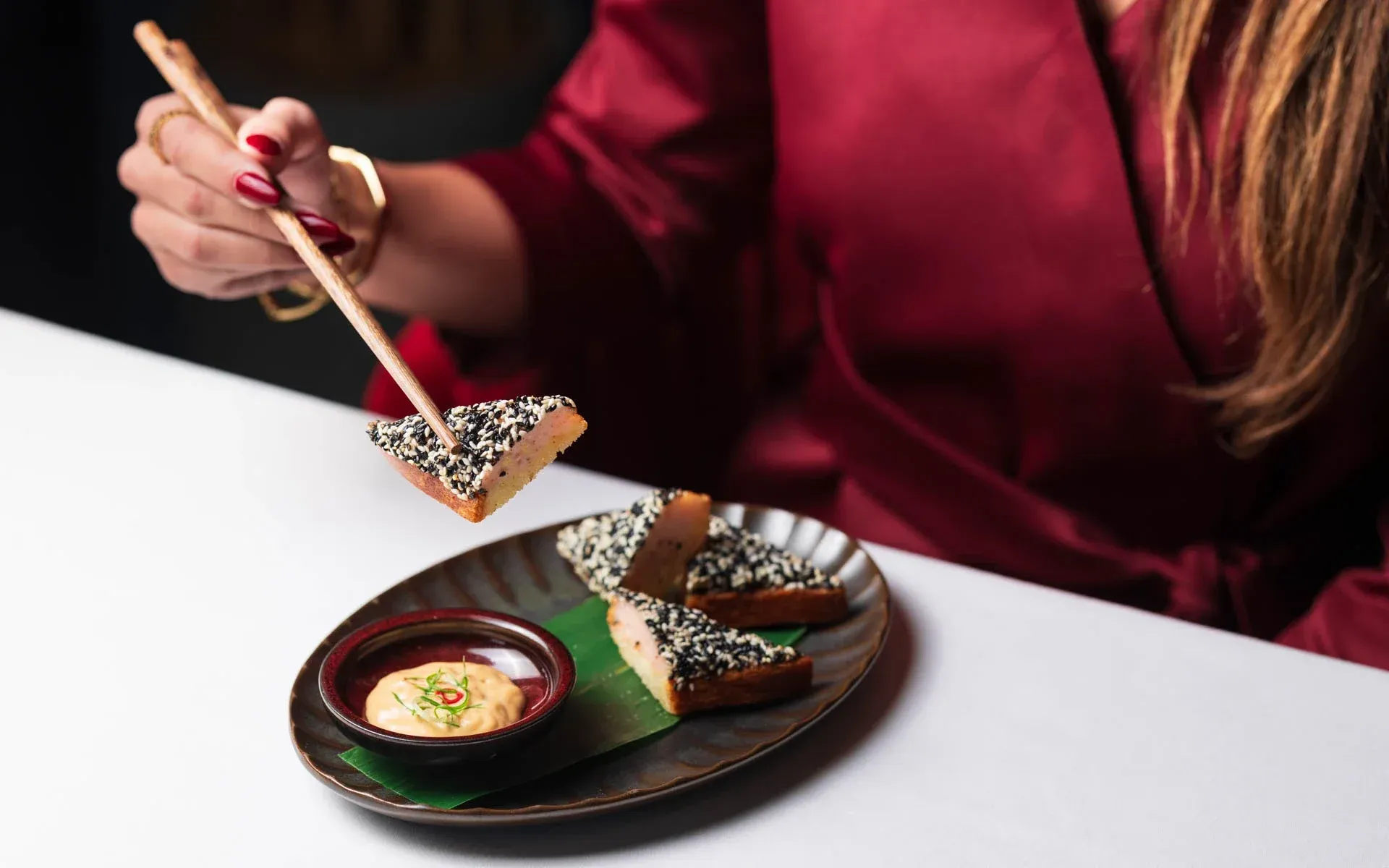
- Hoisin: a thick, dark, sweet and salty sauce made from fermented soybeans. The name means “seafood” in Cantonese, although the sauce is not made from seafood. It is part of the Sesame Prawn Toast.
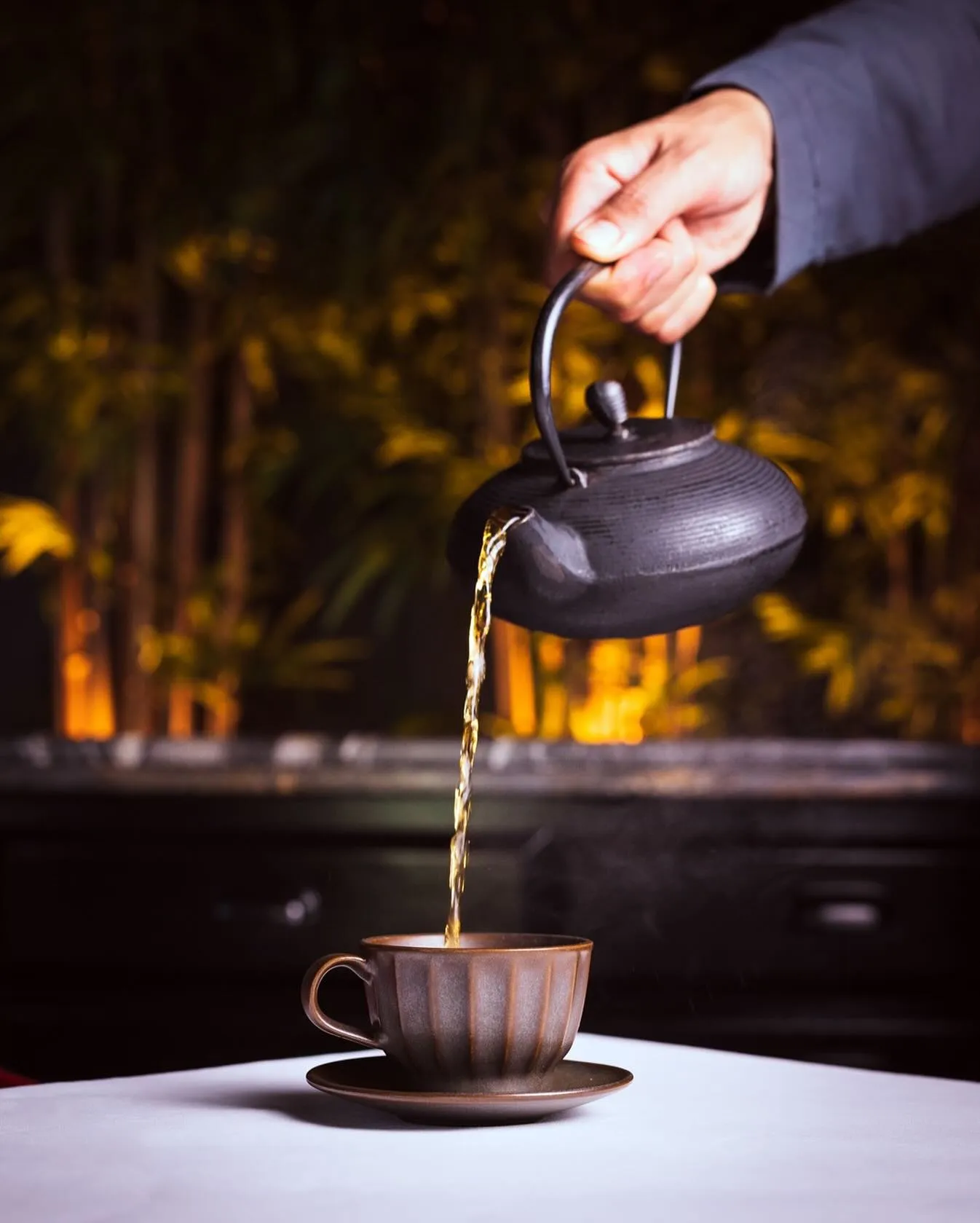
- Jasmine pearl: green tea leaves hand-rolled into small balls and scented with jasmine blossoms, which open in the pot. Order Jasmine Dragon Pearl, and read the Chinese tea guide.
K and L: kung pao and lo mein
- Kung pao: a Szechuan stir-fry of diced chicken, dried chilies and nuts, named after an imperial title, gongbao. Toki’s version uses cashews, and the chicken dishes guide compares it with sweet and sour.
- Lo mein: “stirred noodles”. Boiled noodles tossed through a sauce rather than fried, so they stay soft. The noodles guide sets it against chow mein.
M and O: mala, matcha and oolong
- Mala: “numbing and hot”, the signature Szechuan pairing of Szechuan pepper (ma) and chili (la). See Szechuan cuisine in Jeddah.
- Matcha: shade-grown green tea ground to a powder and whisked, with roots in Song dynasty China and its modern form from Japan. Toki serves Ceremonial Matcha. Read what ceremonial matcha means.
- Oolong: a partly oxidised tea that sits between green and black, from light and floral to deep and toasty. Toki’s Milky Oolong is smooth and creamy with buttery notes.
P: Peking duck
- Peking duck: Beijing’s roast duck, cooked until the skin is crisp and lacquered, then carved and wrapped in thin pancakes. The Toki Peking Duck comes with classic and non-classic garnishes, and the Peking duck guide has the full story.
S: siu mai to Szechuan pepper
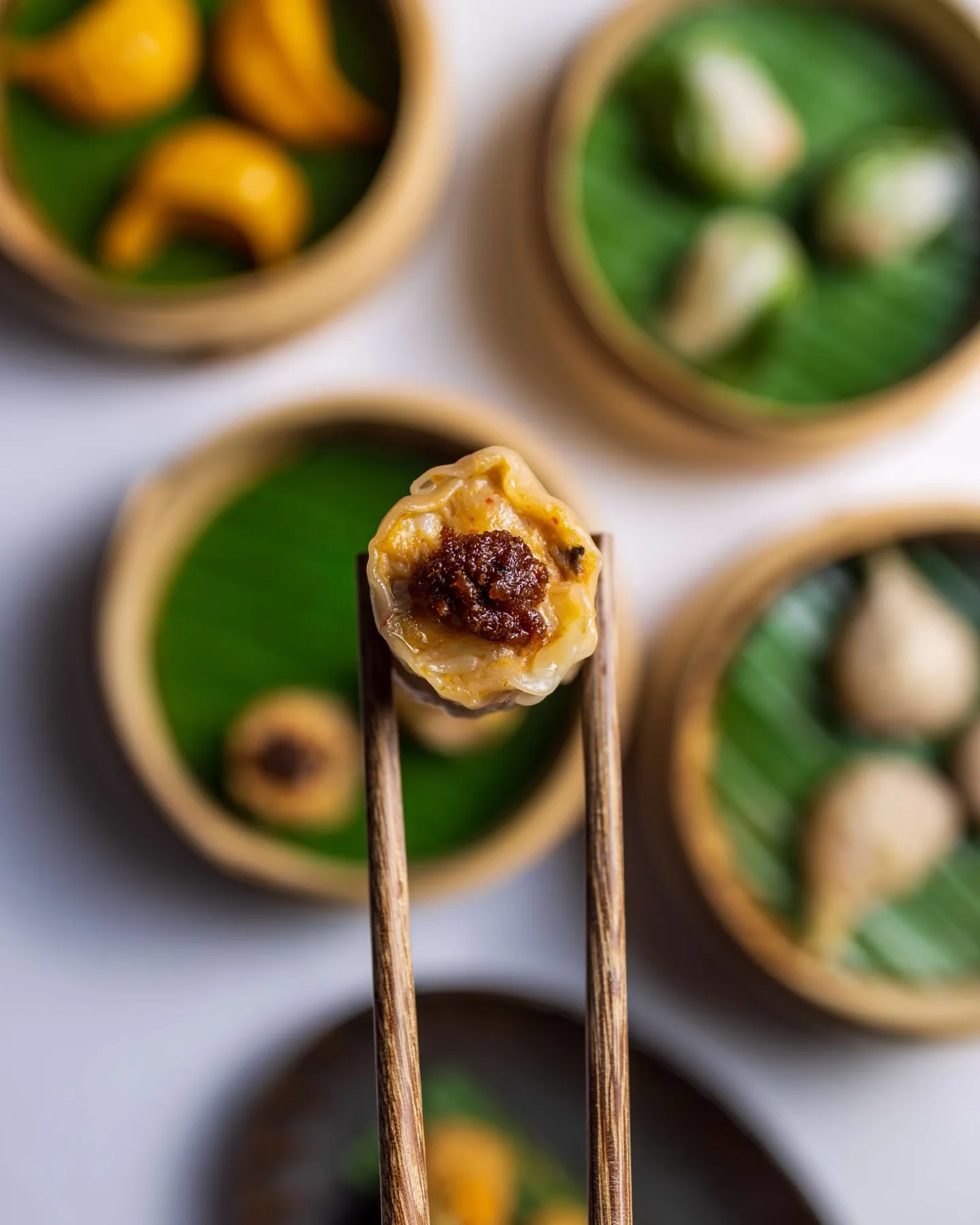
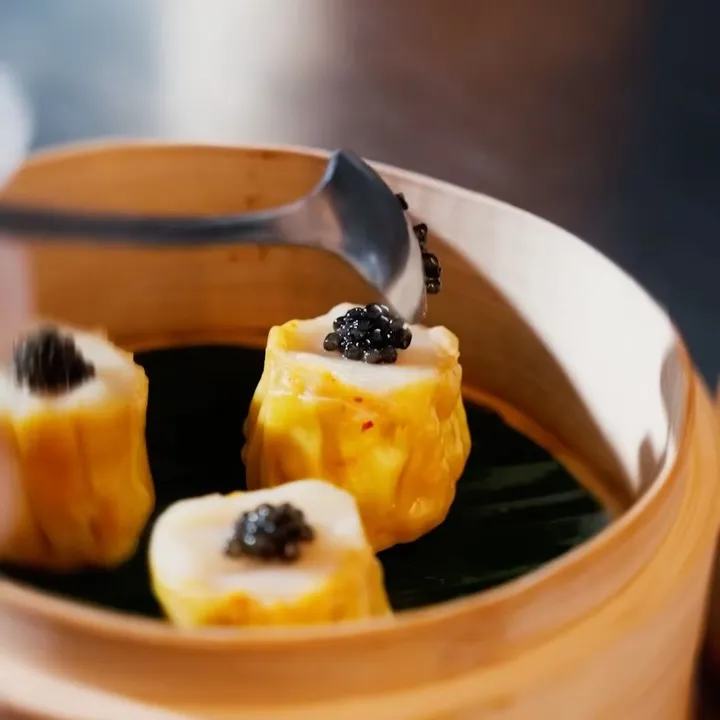
- Siu mai (Sui Mai): an open-topped dumpling, its wrapper gathered into a little cup with the filling showing at the top. Toki writes it Sui Mai: the Szechuan Sui Mai holds chicken, shrimp, soybean, chili, Chinese mushroom and spring onion.
- Spring roll: thin pastry rolled around a filling and fried crisp, named after the Spring Festival, the Chinese New Year. See spring rolls, fried rice and noodles.
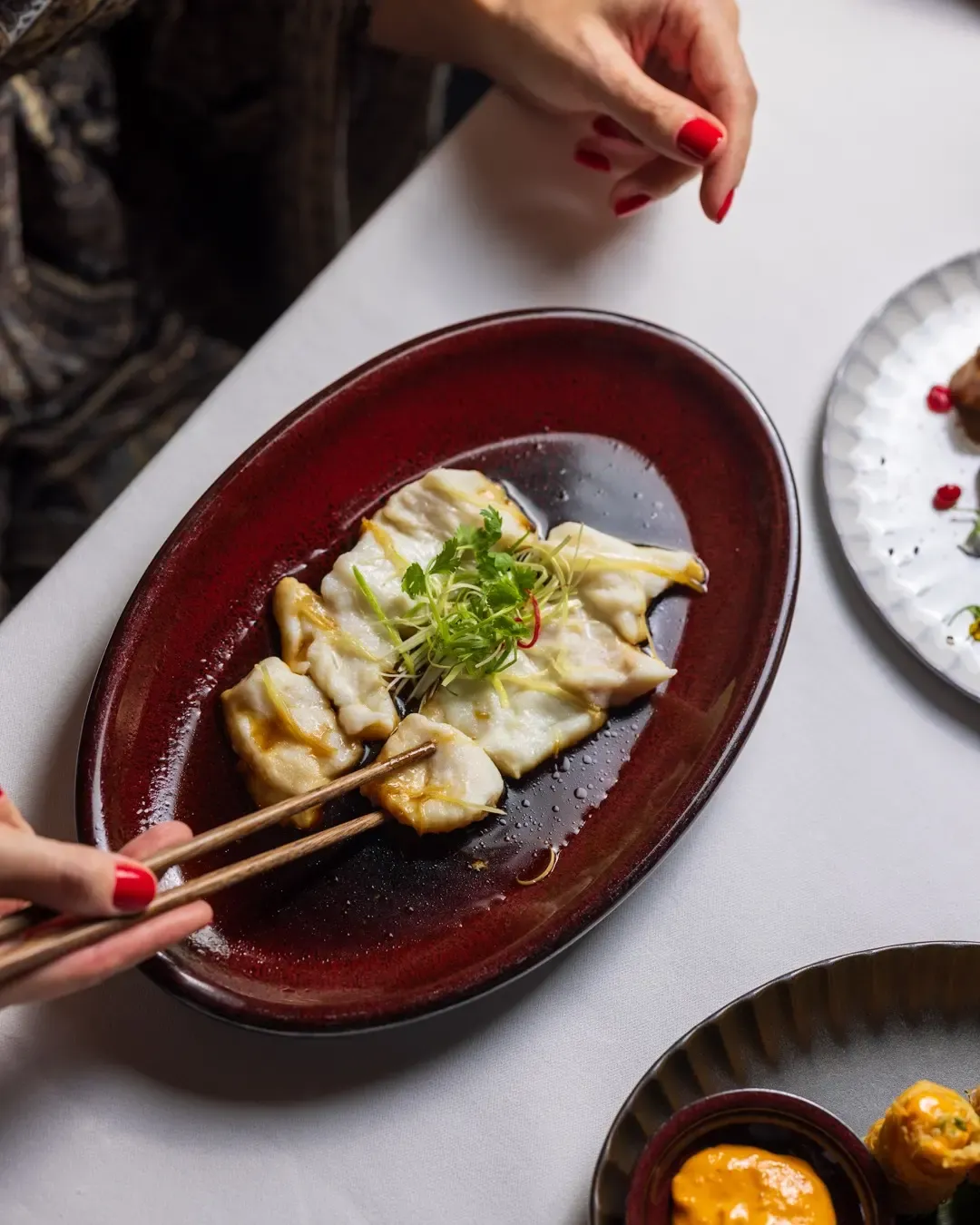
- Superior soy: the Cantonese kitchen’s name for a premium soy sauce, poured over steamed fish with ginger and spring onion. It dresses the Cantonese Steamed Najel. More in Chinese seafood in Jeddah.
- Sweet and sour: a Cantonese sauce that balances sugar and vinegar, classically cooked with pineapple and peppers, as in the Sweet and Sour Chicken.
- Szechuan pepper: not a pepper at all but the dried husk of a prickly ash berry, which makes the lips tingle. Also written Sichuan, it defines Szechuan cooking, as in Szechuan beef.
W: wagyu and wok hei
- Wagyu: Japanese for “Japanese cattle”, beef known for fine marbling. At Toki it appears in dishes such as the Black Pepper Wagyu Tenderloin. Read wagyu beef in Jeddah.
- Wok hei: Cantonese for “the breath of the wok”, the smoky, seared taste that only very high heat and fast tossing give. What is a wok explains how it happens.
X and Y: xiao long bao, yum cha and yusheng
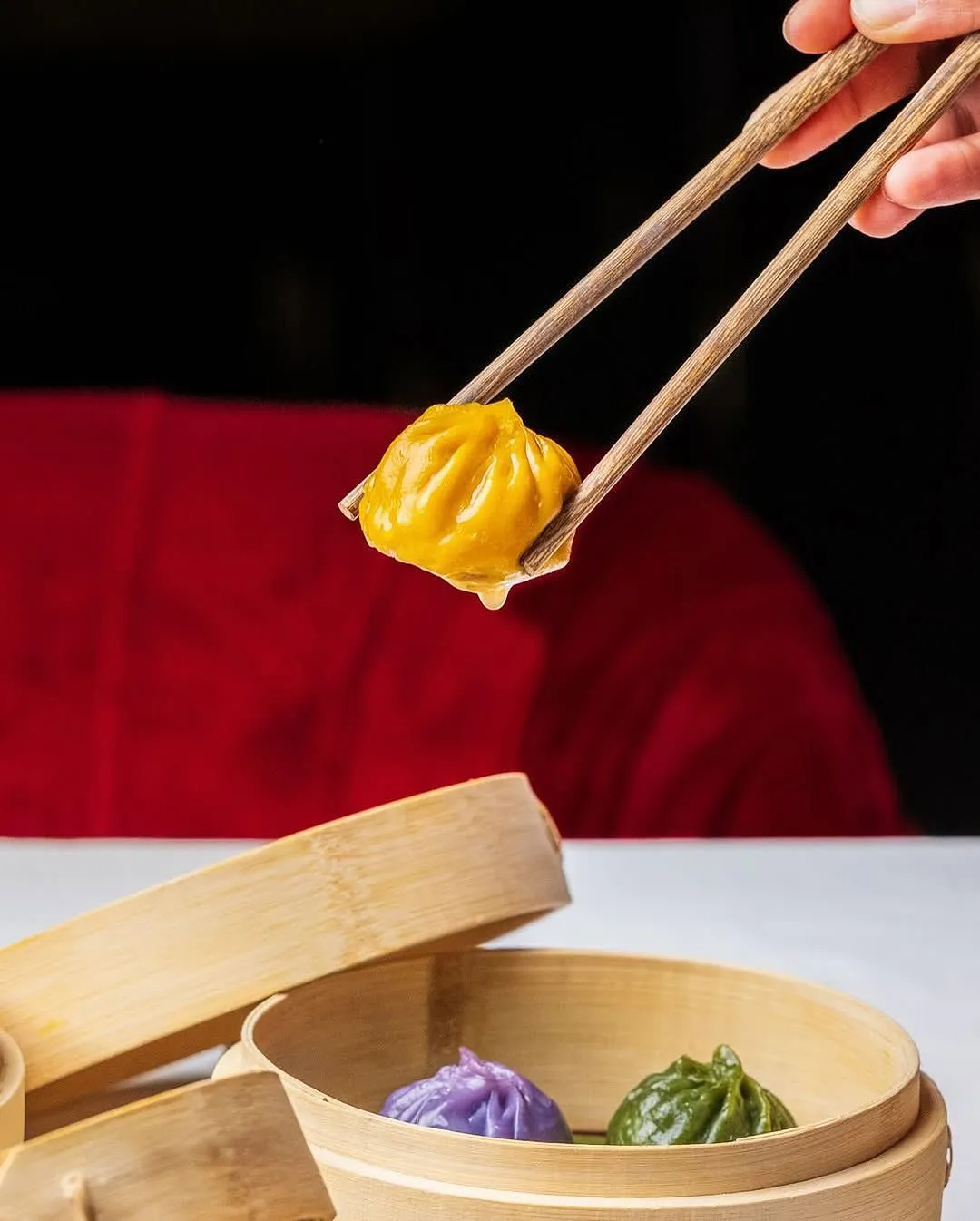
- Xiao long bao: “little basket bun”, a thin-skinned dumpling from the Shanghai area with hot broth sealed inside. Toki’s Xiao Long Bao is a Guangzhou style chicken dumpling with a light spicy sauce. See the xiao long bao guide.
- Yum cha: Cantonese for “drink tea”, the name for going out to eat dim sum. What is dim sum explains the custom.
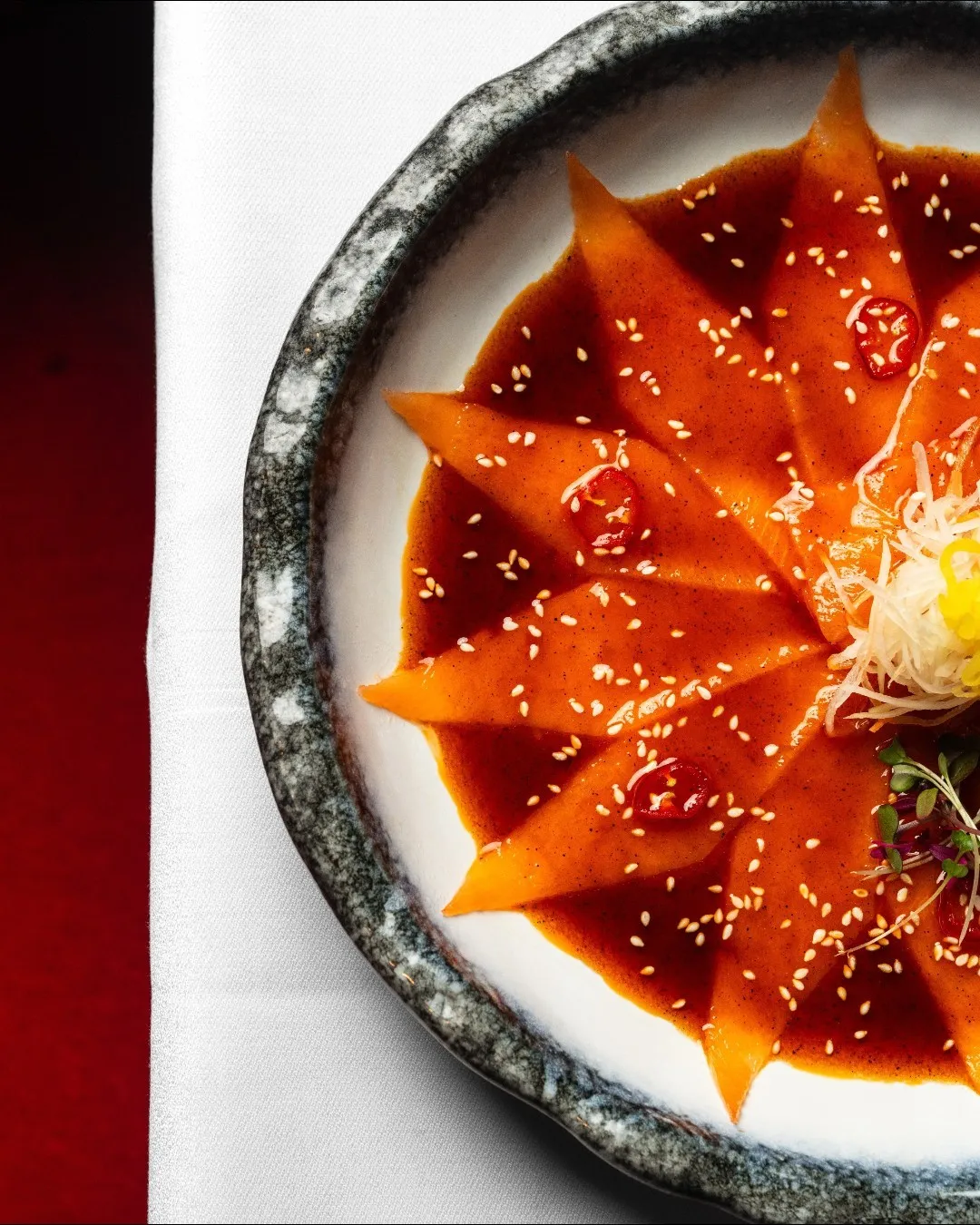
- Yusheng: a raw fish salad tossed high with chopsticks at Chinese New Year in Singapore and Malaysia, as a wish for a good year. The Yusheng Salmon pairs salmon with papaya, sesame seeds and Szechuan flavours.
Where can you try these Chinese dishes in Jeddah?
At Toki, on King Abdulaziz Road in Al Khalidiyah, Jeddah, where most of these names appear on the current menu. Find opening hours and directions on the visit page.
You can book your table online or call reservations on 050 466 5658.
Quick answers
What does dim sum mean?
“Touch the heart” in Cantonese. It is the name for the small steamed, fried and baked dishes served with tea.
What is the difference between chow mein and lo mein?
Chow mein noodles are stir-fried until some strands crisp. Lo mein noodles are boiled and tossed in sauce, so they stay soft.
Is Szechuan pepper spicy?
Not in the way chili is. It makes the mouth tingle and go slightly numb, and Szechuan cooks pair it with chili for the effect called mala.
Is Toki halal?
Yes. Toki runs a halal kitchen.