Chinese New Year 2027: The Lucky Foods and What They Mean
Chinese New Year 2027 begins on 6 February. The lucky foods of the Lunar New Year, what each one means, and where to find them on Toki's menu in Jeddah.
. 7 min read
Chinese New Year 2027 falls on Saturday 6 February 2027 and begins the Year of the Goat. The celebrations run for fifteen days, up to the Lantern Festival, and food sits at the centre of all of them: dumplings, spring rolls, a whole fish and long noodles, each eaten for what it looks like or what its name sounds like.
Many of those foods are on the menu at Toki, a Chinese restaurant in Al Khalidiyah, Jeddah, selected in the MICHELIN Guide Saudi Arabia. This guide explains the festival, the lucky foods and their meanings, and which dishes at Toki carry the same symbols.
When is Chinese New Year 2027?
Chinese New Year 2027 is on Saturday 6 February 2027. New Year’s Eve, the night of the family reunion dinner, is Friday 5 February.
The date moves every year because the festival follows the Chinese lunisolar calendar, so it always lands between 21 January and 20 February. In 2026 it fell on 17 February.
What is Chinese New Year?
Chinese New Year, also called the Spring Festival or Lunar New Year, is the most important holiday in the Chinese calendar. It marks the first day of the lunar year, when families travel home to eat together, hang red decorations and give children red envelopes of money.
The same new year is celebrated across East and Southeast Asia, as Tet in Vietnam and Seollal in Korea. Red stands for luck and joy, and lion dances and firecrackers are meant to chase bad luck away.
How long does Chinese New Year last?
Chinese New Year lasts fifteen days, from the first day of the first lunar month to the Lantern Festival on the fifteenth. In 2027 that runs from Saturday 6 February to Saturday 20 February.
The first days are for family visits and the biggest meals. The Lantern Festival closes the season with paper lanterns, riddles and tangyuan, sweet glutinous rice balls whose round shape stands for a family brought together.
What is the Year of the Goat?
The Goat is the eighth of the twelve animals of the Chinese zodiac, and 2027 is the first Goat year since 2015. The Chinese word yang covers goat, sheep and ram, so you will see all three names in English.
What are the lucky foods for Chinese New Year?
The classic lucky foods are dumplings, spring rolls, a whole fish, long noodles, tangerines and nian gao, a sticky rice cake. In Malaysia and Singapore, yusheng, the prosperity toss, joins them. Each one is chosen because its shape or its name points to wealth, plenty or a long life.
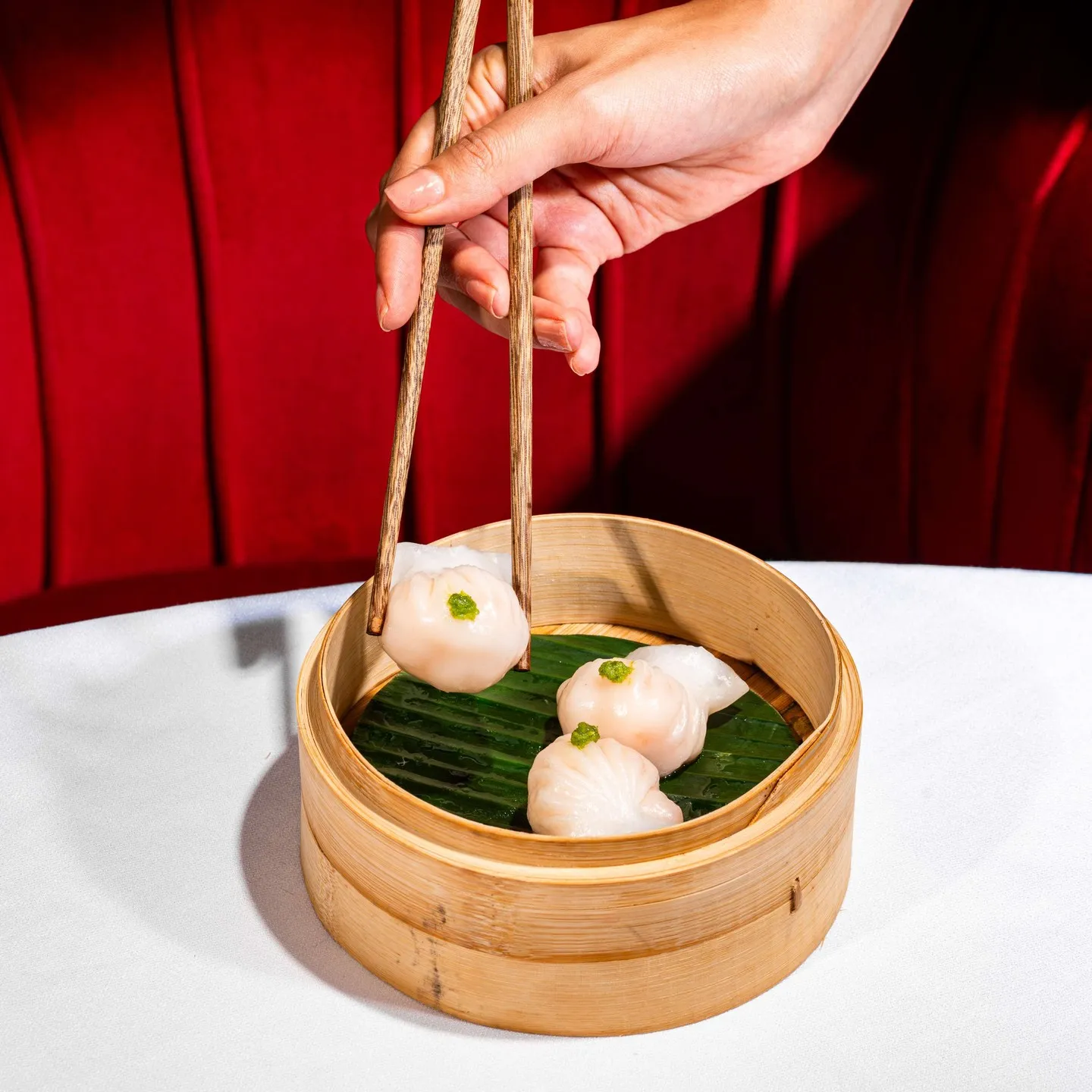
- Dumplings, for wealth: folded into a crescent, they look like the silver ingots once used as money in China. In the north, families fold them together on New Year’s Eve, and some hide a coin inside for one lucky diner.
- Spring rolls, for gold: fried until golden, they look like small gold bars. Their name comes from the Spring Festival itself.
- Fish, for surplus: the saying nian nian you yu wishes for more than enough every year, because yu, surplus, sounds just like the word for fish. The fish is often served whole, head and tail together, for a good start and a good finish to the year.
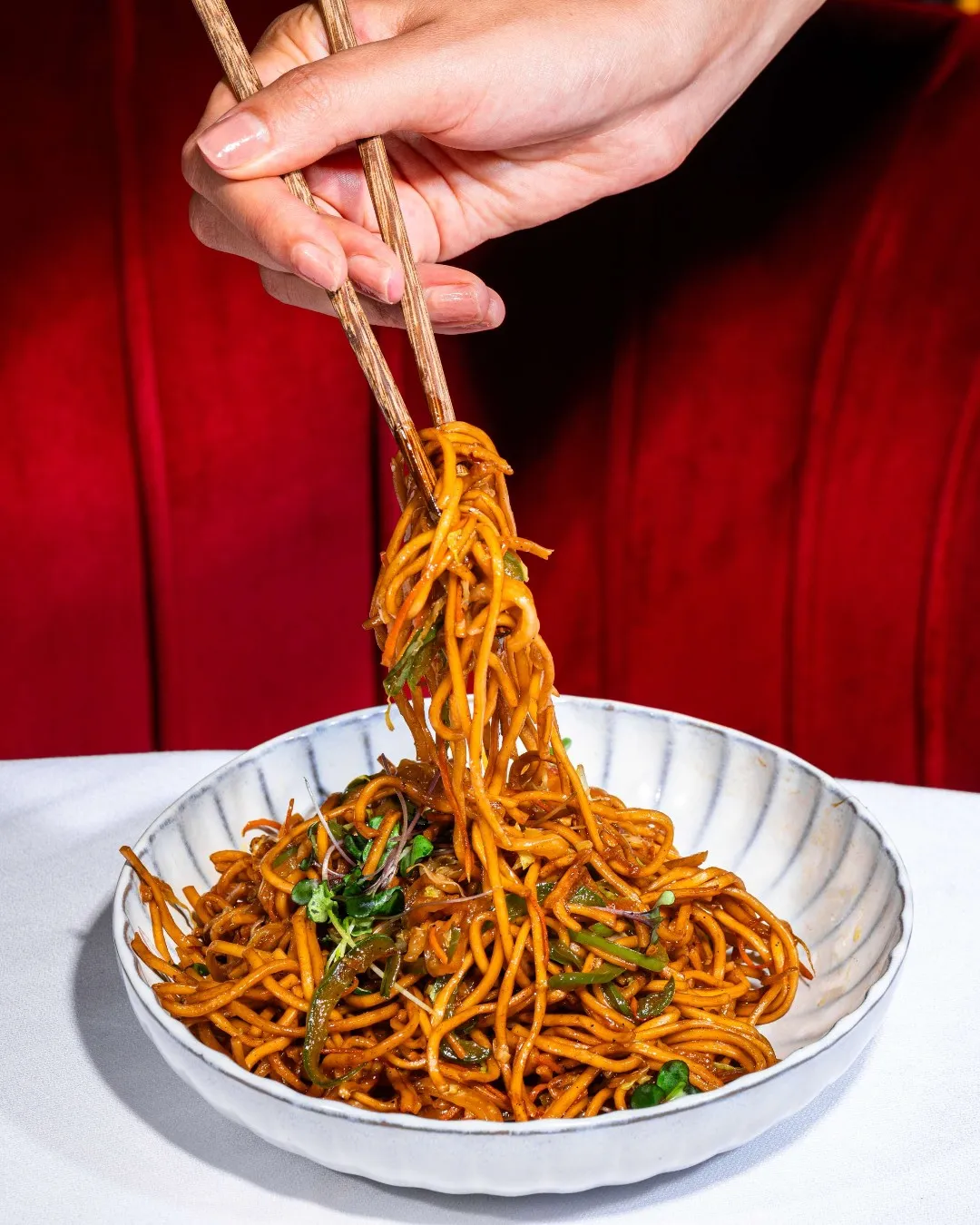
- Long noodles, for long life: longevity noodles are served uncut, and the longer the strand, the longer the life it wishes for.
- Yusheng, for prosperity: a raw fish salad tossed at the table in Malaysia and Singapore. Everyone lifts the ingredients high with chopsticks while calling out good wishes, and the higher the toss, the better the year ahead.
- Tangerines, for luck: the Chinese word for tangerine sounds like the word for luck, and in Cantonese the word for mandarin orange sounds like gold. They are given in pairs when visiting family.
- Nian gao, for a better year: the name of this sticky rice cake sounds like the words for a higher year, a wish to rise a little further every year.
Which Chinese New Year foods are on Toki’s menu?
Dumplings, a spring roll, steamed fish, noodles and a yusheng are all on Toki’s menu, so one shared meal can cover most of the lucky foods. Tangerines and nian gao are not on the menu.
Dumplings for wealth
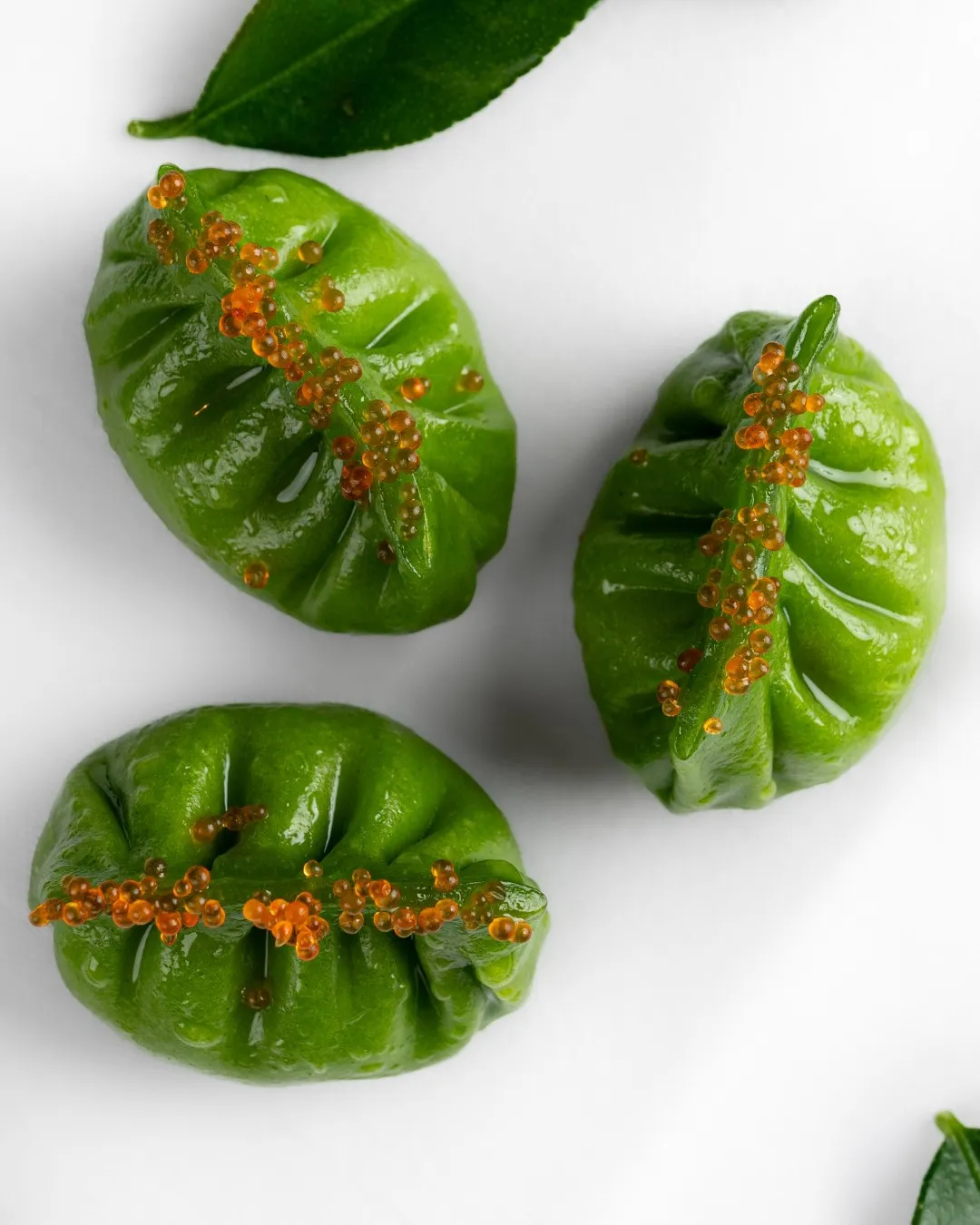
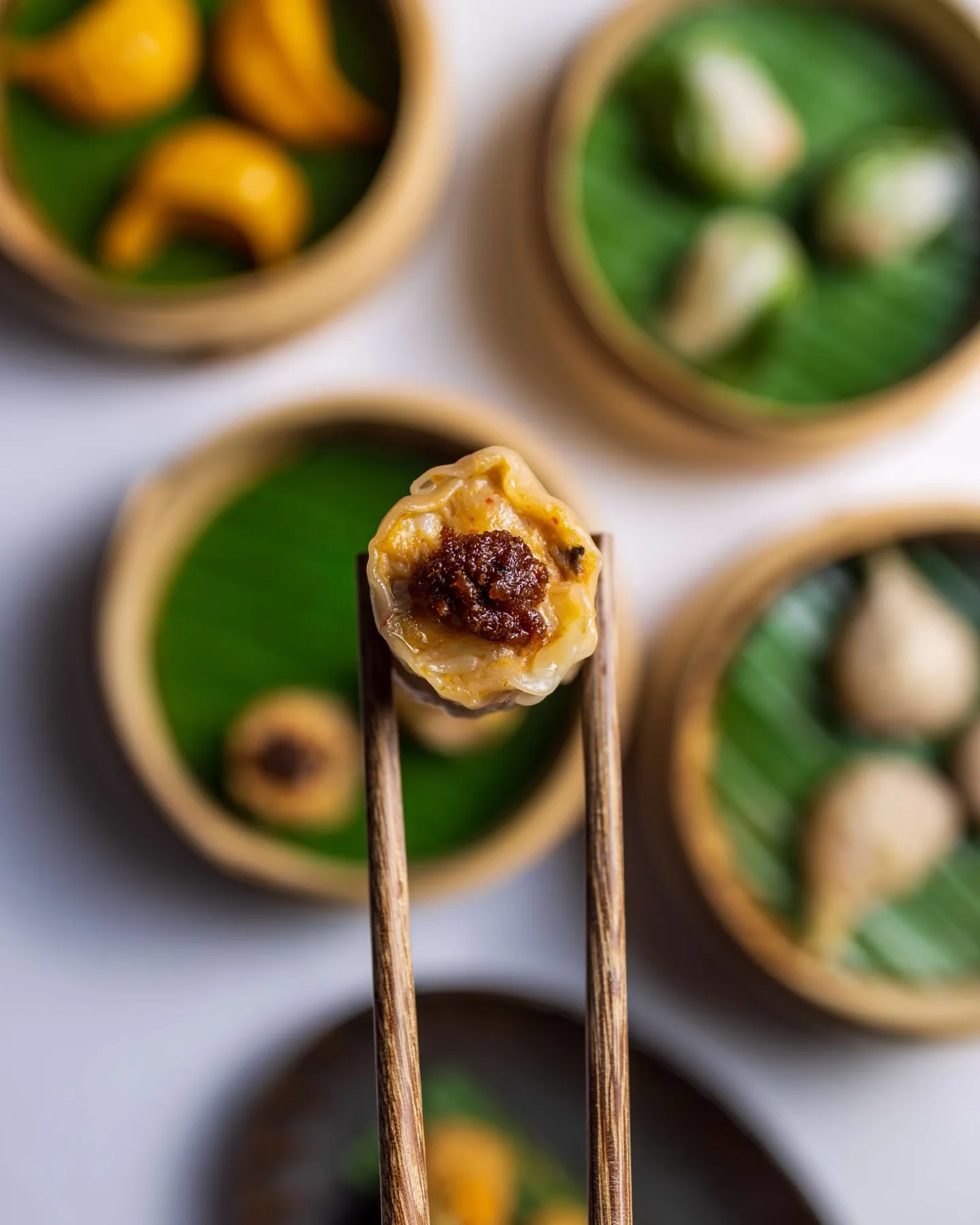
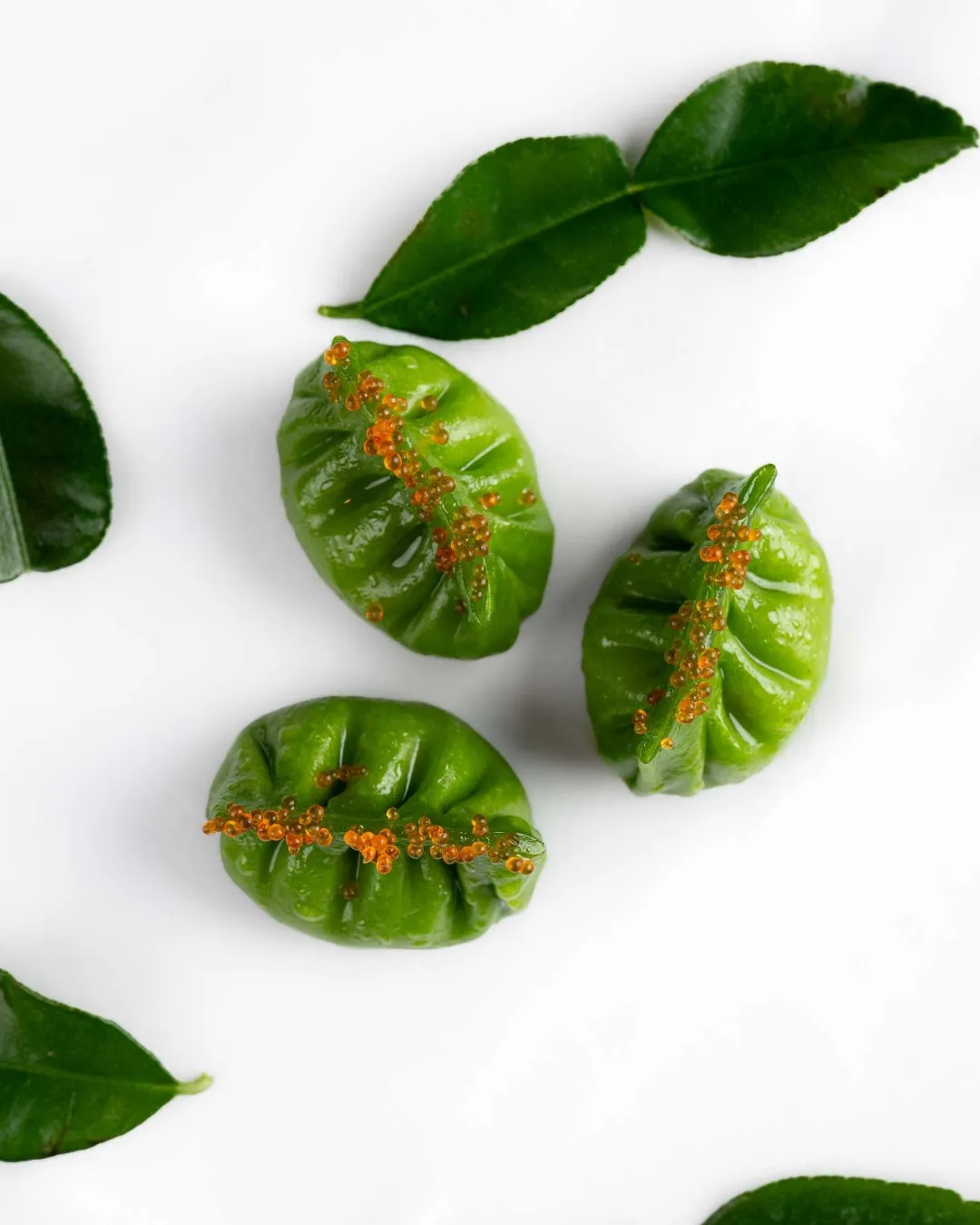
Toki’s dim sum section is the place to start. In Toki’s photos the Kaffir Lobster Dumpling, with lobster, prawn, kaffir lime and spinach, is a green pleated crescent, close to the old ingot shape.
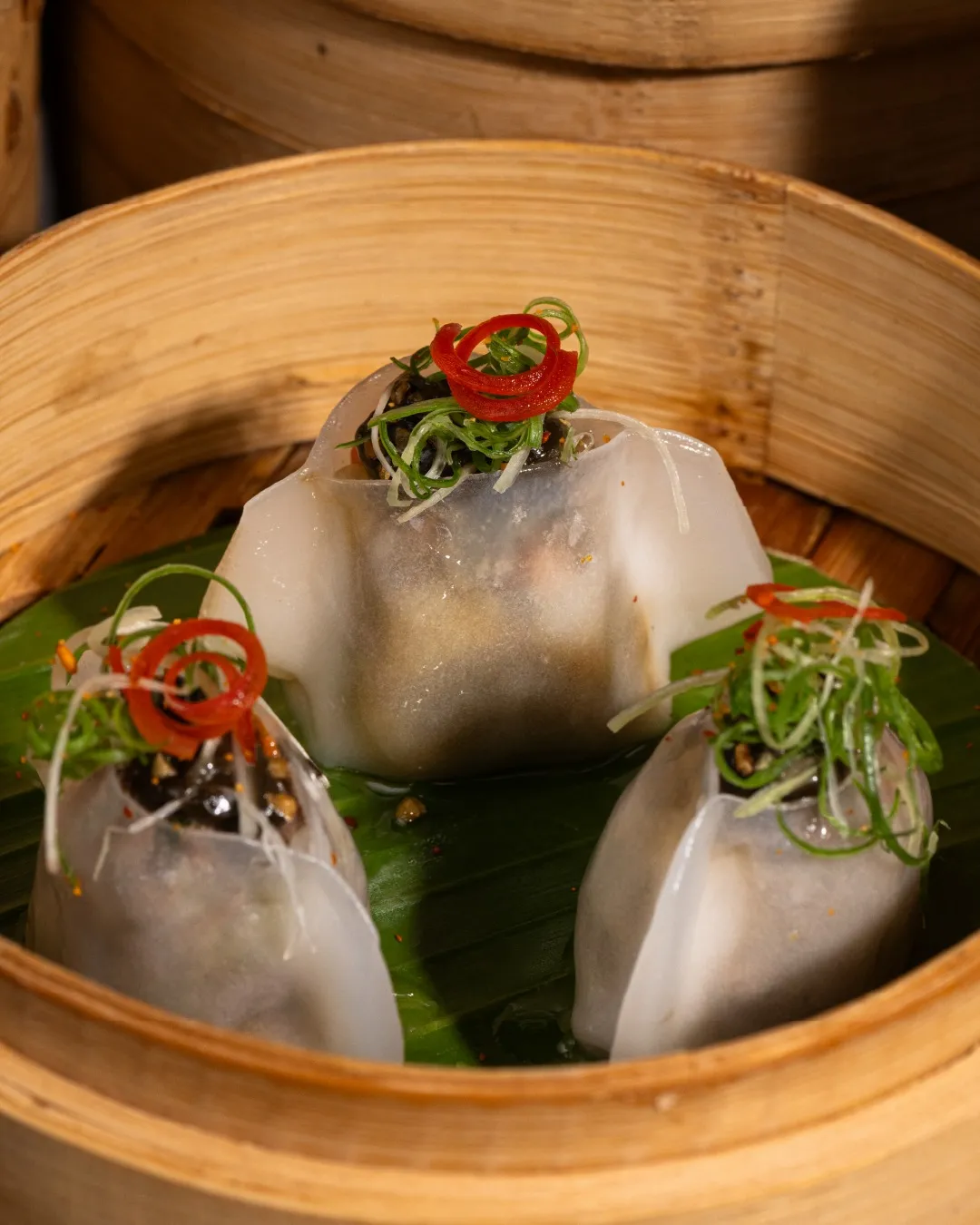
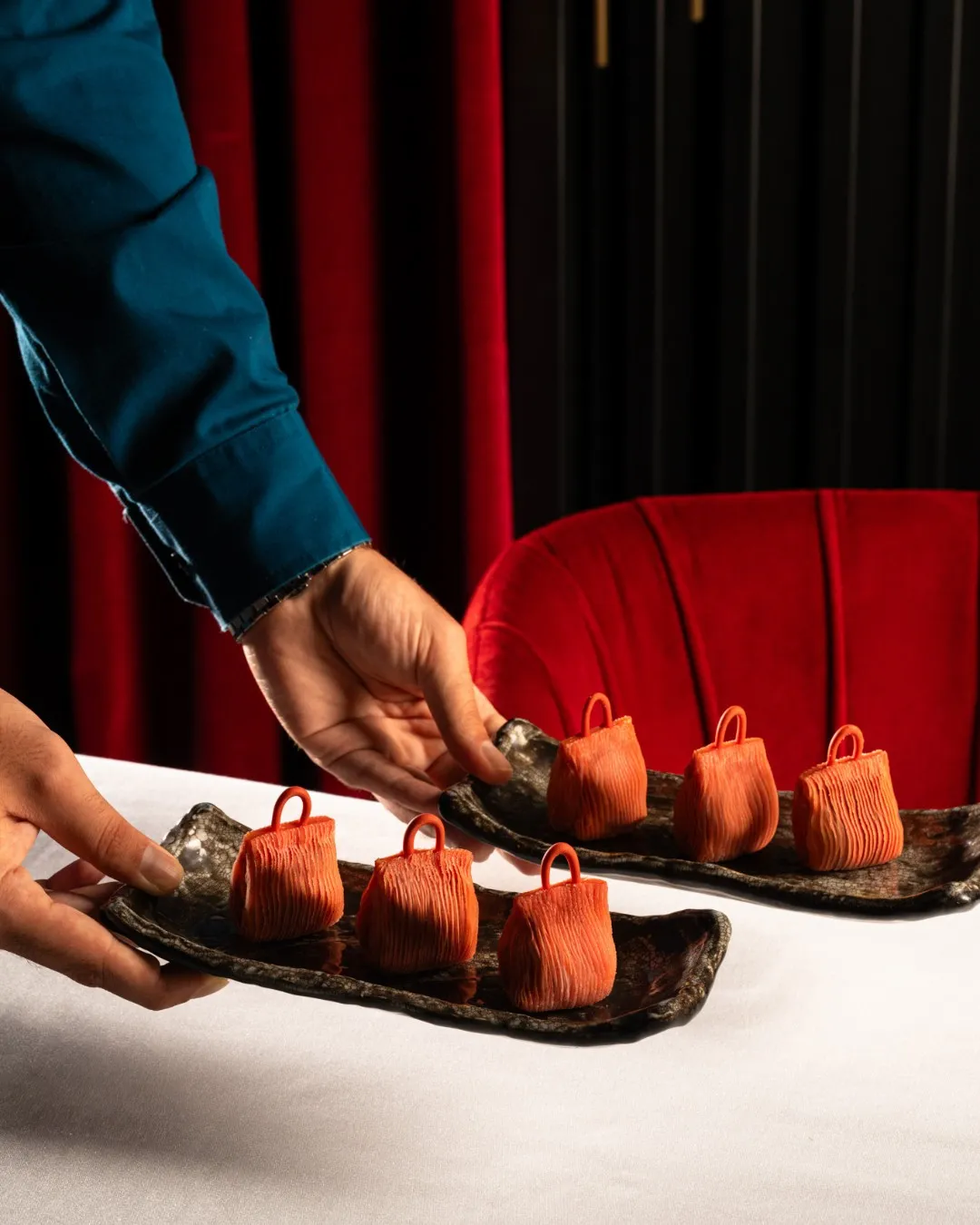
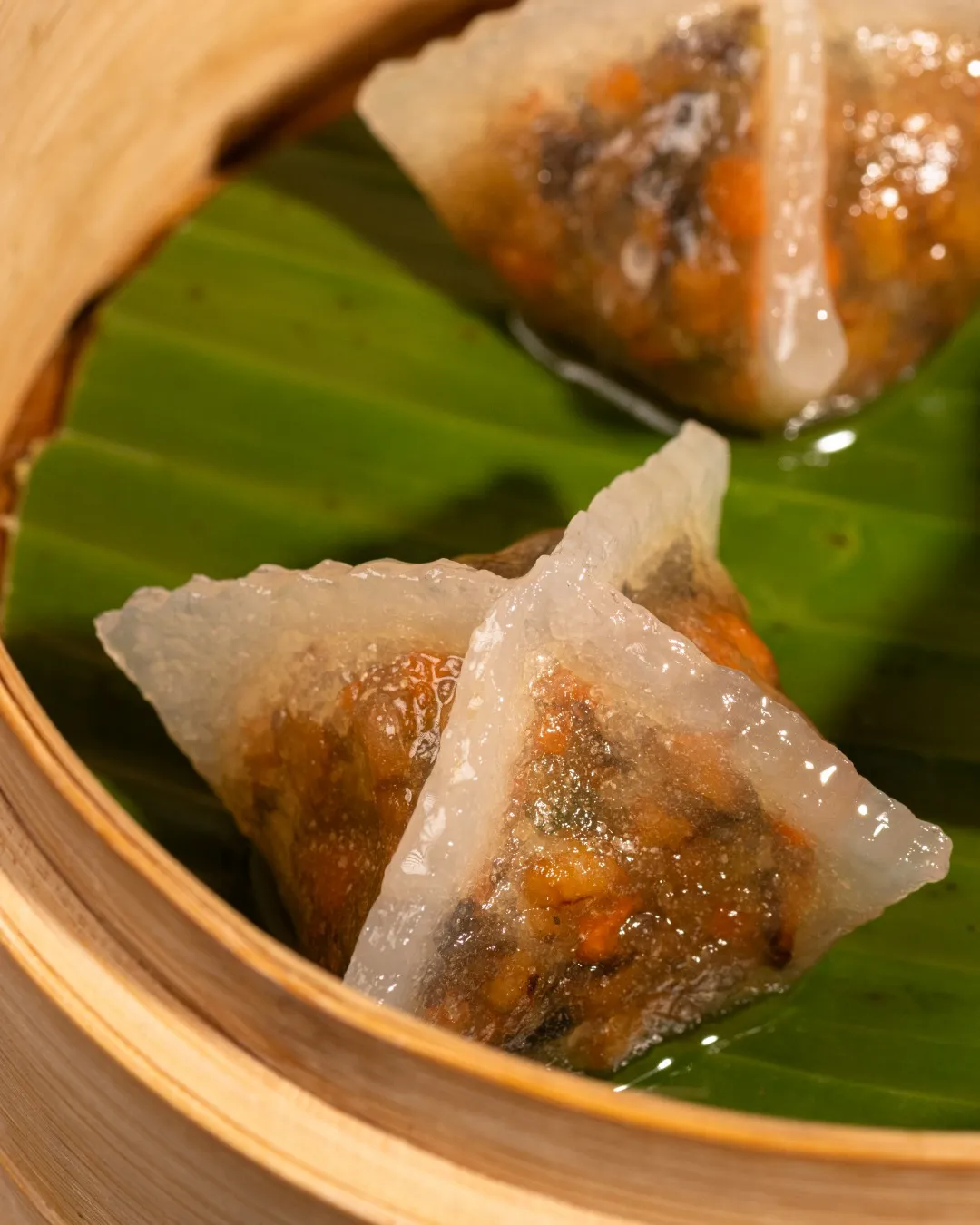
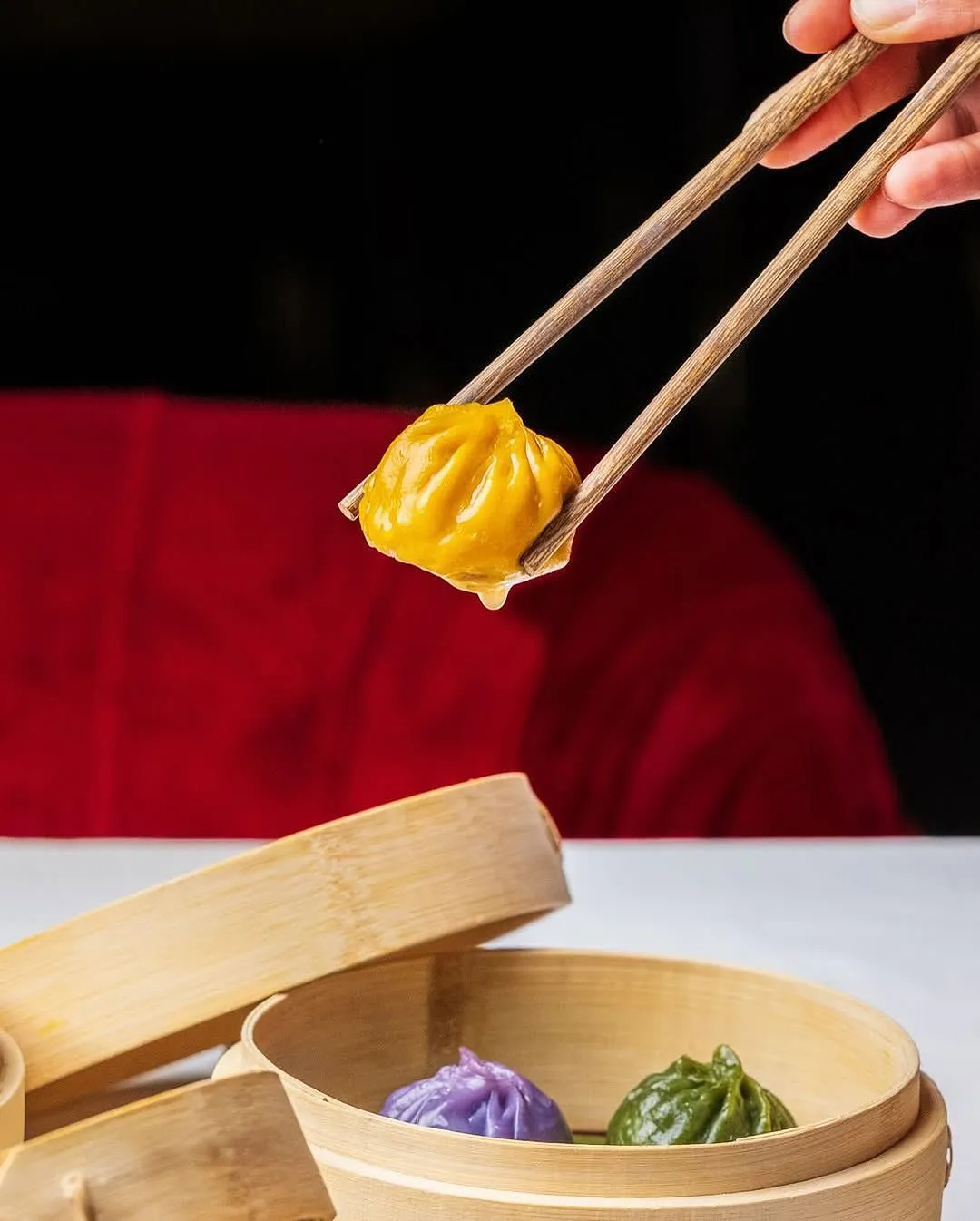
Order a mixed round with the Angus Beef Dumpling with black garlic, the Toki Pink Puff Dumpling with wagyu and beetroot, the Crystal Mushroom Dumpling, the Szechuan Sui Mai and the Xiao Long Bao. For a full dim sum order, read the dim sum guide.
Spring rolls for gold
The Vegetable Spring Roll is filled with cabbage, snow pea, Chinese black mushroom, turnip and glass noodles. It is crisp and easy for children, and chili is not on its allergen list. There is more on it in spring rolls, fried rice and noodles.
Fish for surplus
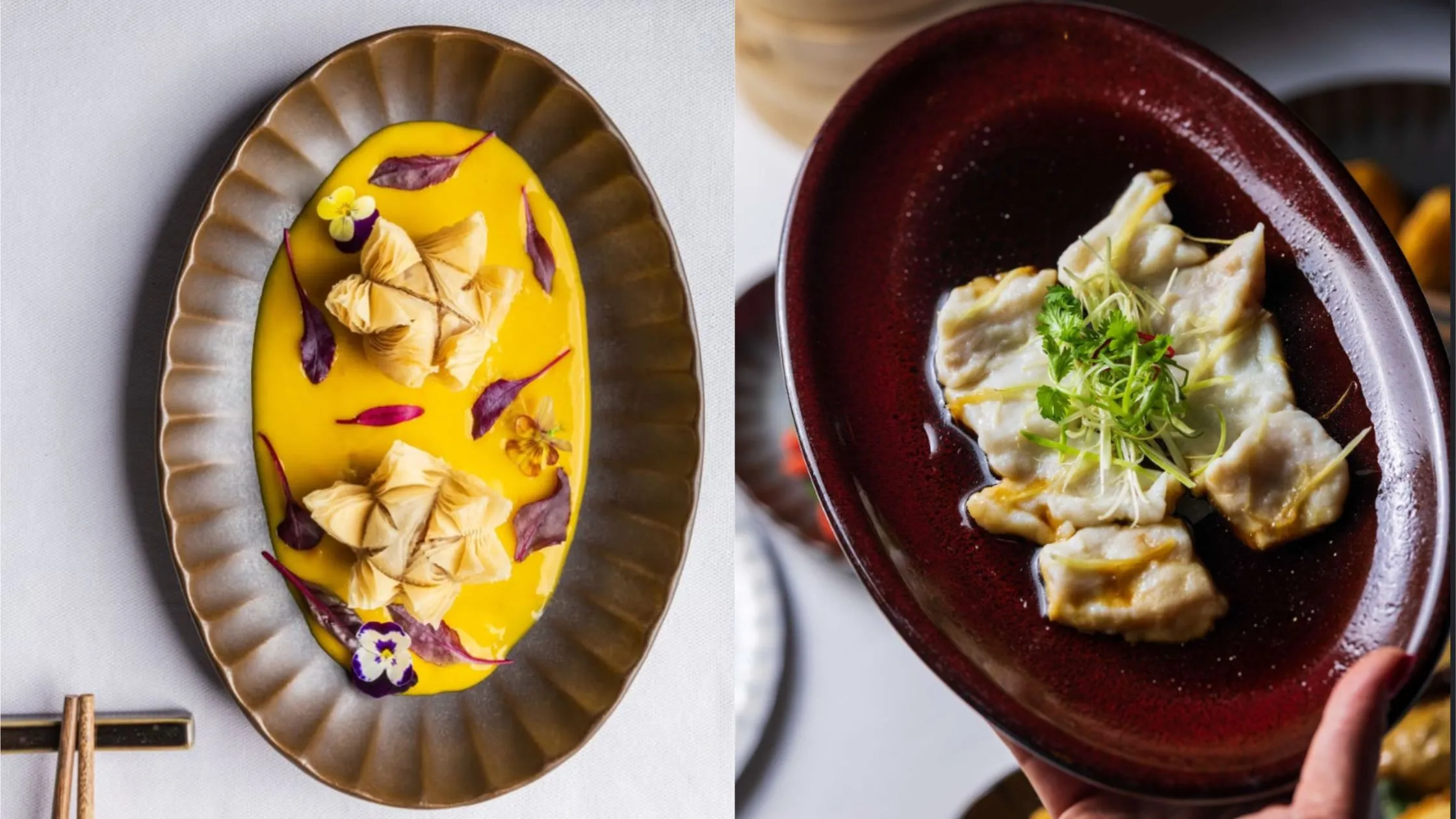
Two dishes answer the nian nian you yu wish. The Cantonese Steamed Najel is najel, a local grouper-type fish, steamed Cantonese style with ginger and superior soy. The Cantonese Style Seabass is a whole seabass with ginger, spring onion, leek and superior soy, the closest match to the whole fish served for the new year.
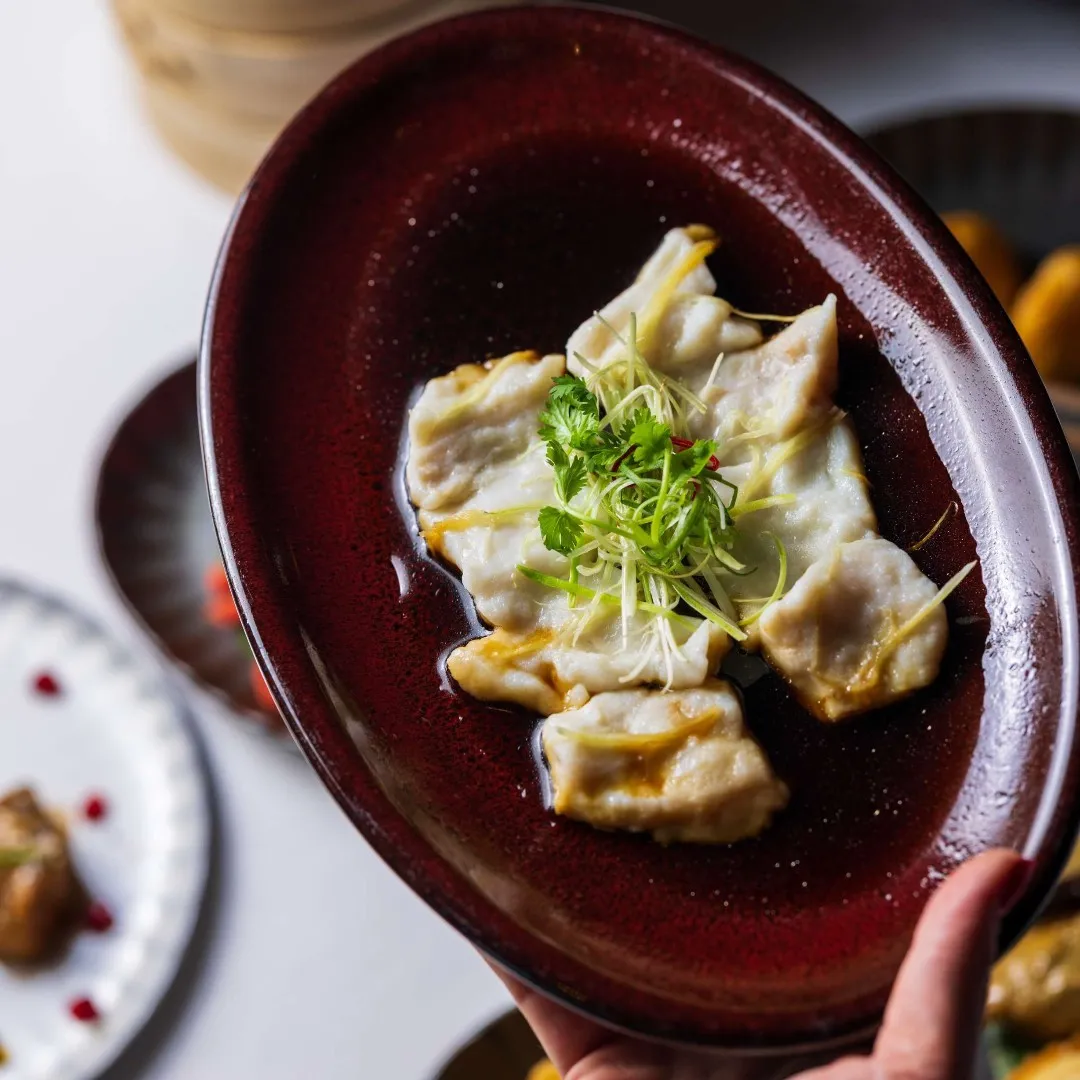
Both are explained in the guide to Cantonese steamed fish, and the rest of the seafood menu is in Chinese seafood in Jeddah.
Noodles for long life
Toki serves Vegetable Noodles with Chinese cabbage, carrot, onion and soy, Rice Noodles with prawns, chicken and vegetables, and Braised Short Rib Noodles with spiced honey short rib. Toki’s Instagram also shows a chef stretching noodle dough by hand. The Chinese noodles guide compares the styles.
Yusheng for prosperity
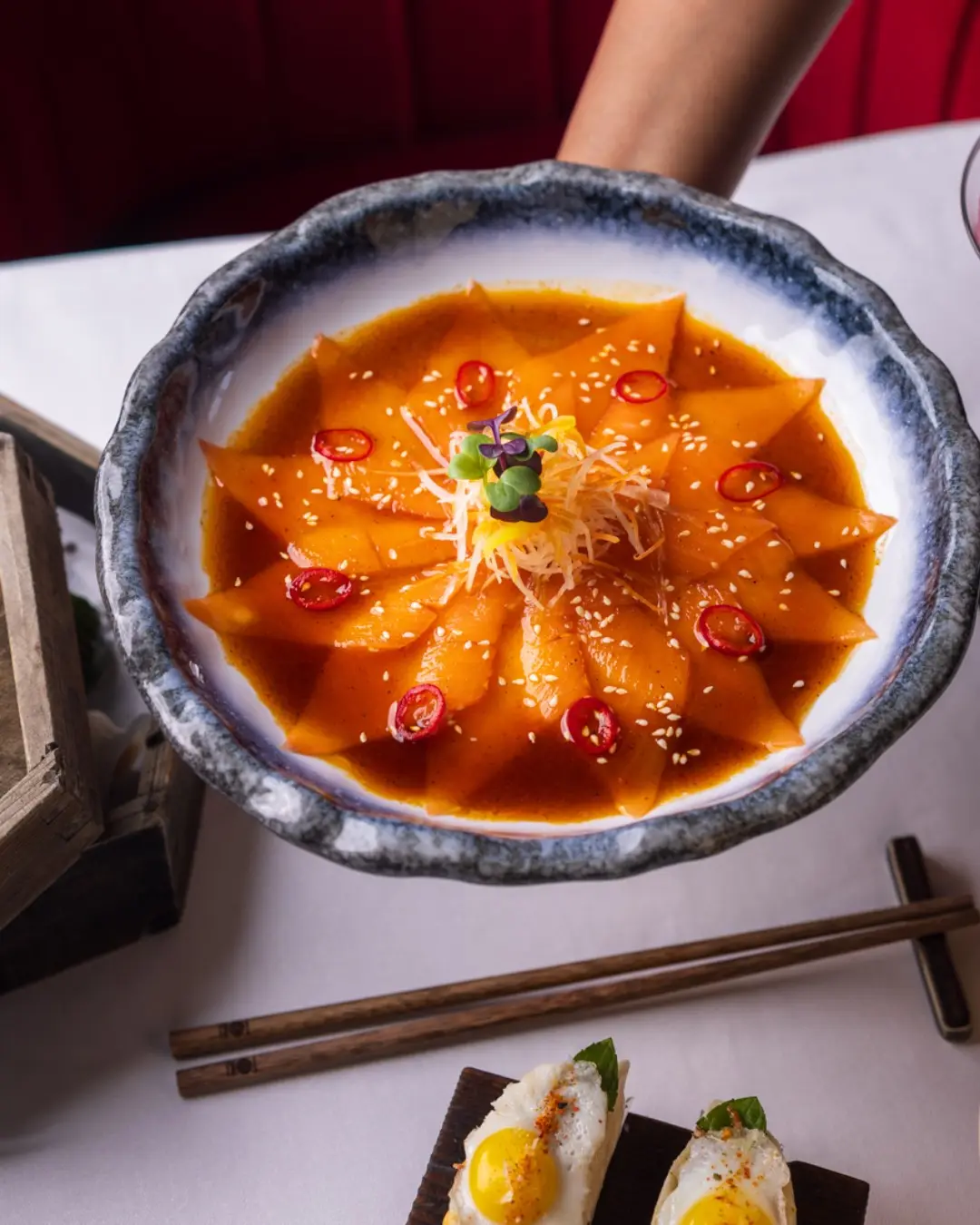
Yusheng Salmon pairs salmon with papaya, sesame seeds and Szechuan flavours. It carries chili heat, and like the original yusheng it is made for the whole table to share.
A centrepiece to share
The new year meal is about everyone at one table, so add a dish the whole group shares. Toki Peking Duck comes with a selection of classic and non-classic garnishes, and Toki’s Instagram shows it carved at the table.
How should a family order a Chinese New Year meal?
Order to share, and cover the symbols in courses: a round of dumplings and spring rolls, the Yusheng Salmon, a fish, a noodle dish and, for a bigger table, the Peking duck. For four people, that is enough without ordering one main each.
For six or more, add a second fish or another round of dim sum. Read family dining at Toki and group dining at Toki for how a large table works, and see current prices on the menu.
Does Toki celebrate Chinese New Year?
Toki marks the new year on its Instagram, and in February 2026 it shared a reel of dumplings folded by hand for prosperity. For any plans around Chinese New Year 2027, call reservations on 050 466 5658 or check Toki’s Instagram.
For birthdays, anniversaries and other celebrations, see a Chinese dinner for every occasion.
Where can you eat Chinese New Year food in Jeddah?
At Toki, on King Abdulaziz Road in Al Khalidiyah, Jeddah, where dumplings, spring rolls, steamed fish, noodles and Yusheng Salmon are all on the menu. For opening hours and directions, see the visit page.
You can book your table online or call reservations on 050 466 5658.
Quick answers
What date is Chinese New Year 2027?
Saturday 6 February 2027. It begins the Year of the Goat, and the celebrations end with the Lantern Festival on 20 February.
What do people eat at Chinese New Year?
Dumplings, spring rolls, a whole fish, long noodles, tangerines and nian gao, with yusheng in Malaysia and Singapore. Each stands for wealth, plenty or long life.
Why is fish lucky at Chinese New Year?
The word for fish, yu, sounds like the word for surplus. A fish on the table wishes for more than enough in the year ahead.
Is Toki halal?
Yes. Toki runs a halal kitchen.