Chinese Noodles Explained: Chow Mein, Lo Mein and Rice Noodles
Chinese noodles explained: chow mein vs lo mein, Cantonese rice and glass noodles, hand-pulled noodles and the wok, plus the noodle dishes at Toki in Jeddah.
. 7 min read
Chinese noodles fall into three families: wheat noodles, often made with egg, rice noodles, and glass noodles made from starch. How they are cooked matters as much as what they are made of, which is why chow mein and lo mein can start with the same noodle and end up as different dishes.
Toki, a Chinese restaurant in Al Khalidiyah, Jeddah, selected in the MICHELIN Guide Saudi Arabia, has three noodle dishes on its menu and two more dishes made with glass noodles. Toki’s Instagram shows a chef stretching noodle dough by hand, with a caption saying every strand is made by hand. This guide explains the main types of noodles and what to order.
What are the main types of Chinese noodles?
The main types of Chinese noodles are wheat noodles, egg noodles, rice noodles and glass noodles. Wheat and egg noodles are springy and chewy, rice noodles are soft and silky, and glass noodles turn clear and slippery when cooked.
- Wheat noodles: made from wheat flour, water and salt. Northern China, where wheat grows better than rice, is home to most wheat noodles, including hand-pulled ones.
- Egg noodles: wheat noodles made with egg, yellow and springy. They are the everyday noodle of Cantonese cooking, used for chow mein, lo mein and wonton noodle soup.
- Rice noodles: made from rice flour and water, mostly in southern China, in shapes from thin vermicelli to wide, flat ribbons.
- Glass noodles: made from a starch such as mung bean, thin and see-through once cooked.
What is the difference between chow mein and lo mein?
Chow mein means fried noodles: boiled noodles are fried in a hot wok until lightly browned, sometimes until crisp. Lo mein means tossed noodles: boiled noodles are tossed with sauce, meat and vegetables, so they stay soft and coated in sauce.
Both usually start with egg noodles. The difference is in the cooking.
- Chow mein: drier, with toasted edges and more bite. In the Hong Kong style, the noodles are pan-fried into a crisp cake and a sauce is poured over the top.
- Lo mein: softer and saucier, closer to pasta tossed in its sauce. The noodles carry the sauce, so there is more of it.
- The names: chow (chao in Mandarin) means to stir-fry, and mein (mian) means noodles. Lo comes from a Cantonese word for tossing or scooping.
What are Cantonese noodles?
Cantonese noodles are the noodles of Guangdong and Hong Kong. The two best known are thin, springy egg noodles, used in wonton soup and chow mein, and ho fun, wide flat rice noodles that are stir-fried or served in soup.
Ho fun, also called shahe fen after Shahe, a town in Guangzhou, is cut from fresh sheets of steamed rice batter. The classic beef chow fun, flat rice noodles stir-fried with beef, bean sprouts and spring onion, is often treated as a test of a cook’s wok skill: the noodles must char lightly without breaking or sticking. For the wider cooking style, read Cantonese cuisine explained.
What are rice noodles?
Rice noodles are made from rice flour and water, and they are softer and silkier than wheat noodles. The two shapes you meet most are thin rice vermicelli, sold dried, and wide, flat ho fun, usually made fresh.
Vermicelli is soaked or blanched before it goes into the wok, then stir-fried or added to soup.
Toki’s Rice Noodles come with prawns, chicken, cabbage, carrots, onions, green pepper, red chili and oyster sauce. The menu lists gluten among their allergens, so do not assume they are gluten free, and they are the only one of the three noodle dishes with chilli listed.
What are glass noodles?
Glass noodles are made from starch, usually mung bean starch, instead of flour. They are thin and turn clear and slippery when cooked, which is why they are also called cellophane noodles.
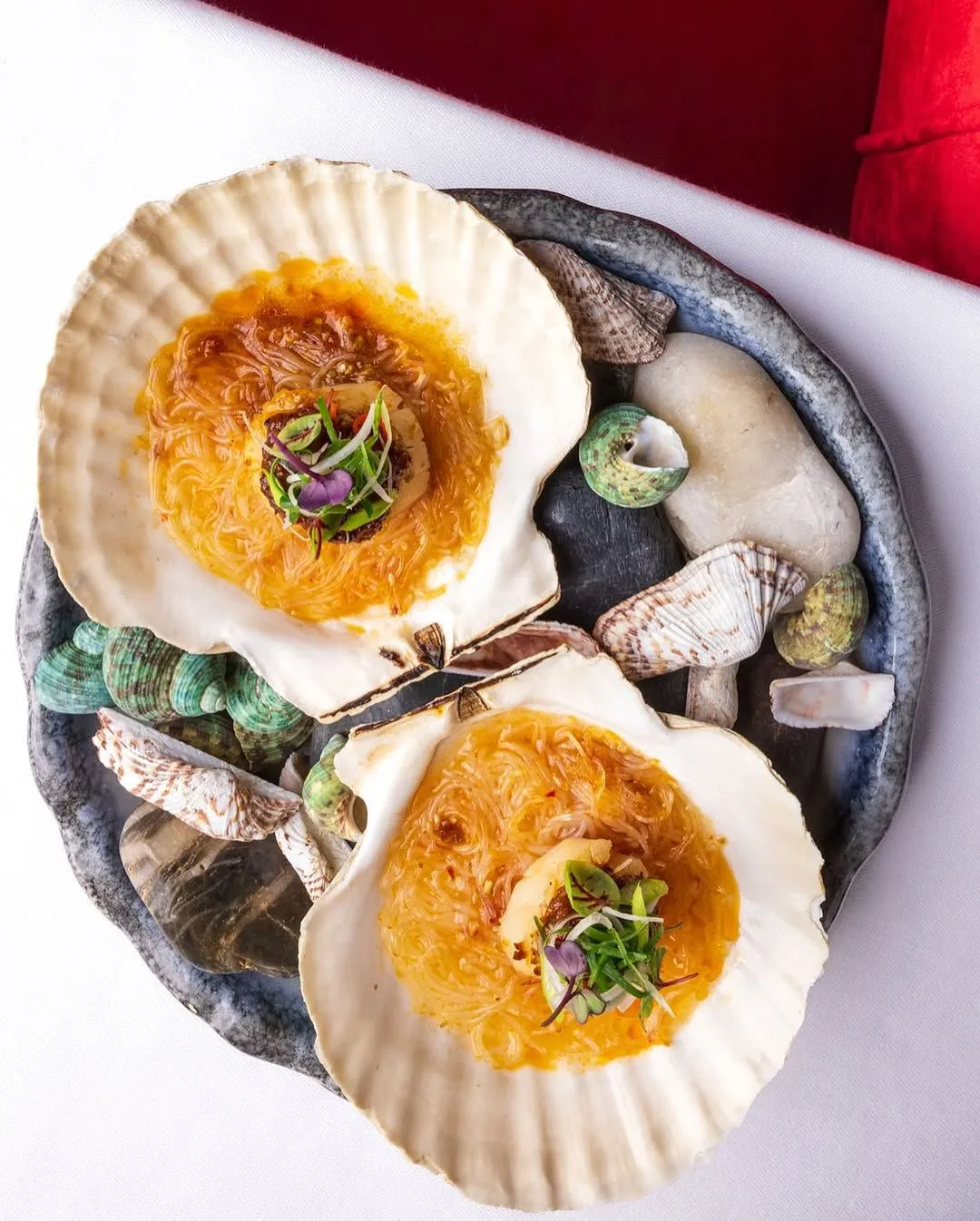
They have little taste of their own and soak up whatever they are cooked with, so they go into fillings, soups and dishes of garlic and seafood. At Toki they appear in two dishes: the Vegetable Spring Roll in the dim sum, with cabbage, snow pea, Chinese black mushroom and turnip, and the Baked Scallops, where glass noodles meet a butter garlic and chili sauce.
What are hand-pulled noodles?
Hand-pulled noodles, lamian in Mandarin, are wheat noodles made by stretching dough by hand. The cook pulls the dough out, folds it back and pulls again, and each fold doubles the number of strands.
The craft comes from northern China, and the city of Lanzhou is famous for its hand-pulled beef noodle soup. The dough is wheat flour, water and salt, often with an alkaline ingredient that lets it stretch without tearing. After resting, it is rolled into a rope, swung, stretched and folded. Seven folds give 128 strands. Fresh noodles made this way are chewy, slightly uneven and good at holding sauce.
Toki’s Instagram shows one of its chefs stretching noodle dough by hand, and the caption says every strand of noodle is made by hand. For why long noodles stand for long life in China, see spring rolls, fried rice and noodles.
How are noodles cooked in a wok?
Noodles for the wok are boiled or soaked first and drained well, then tossed in a very hot wok with a little oil, aromatics and the other ingredients, with sauce added near the end. The high heat sears the noodles instead of stewing them.
- Cook and dry the noodles first: wet noodles steam in the wok. Cooks drain them well and often toss them with a little oil so they do not stick.
- Heat the wok before the oil: it should be hot enough that the oil shimmers almost at once.
- Aromatics first: garlic, ginger and spring onion go in for a few seconds before the meat, vegetables and noodles.
- Small batches: too many noodles at once cool the wok and turn soft.
- Sauce last: soy or oyster sauce goes in at the end, often around the hot sides of the wok so it sizzles before it reaches the noodles.
The smoky flavour this gives is called wok hei. Read more in what is a wok.
Which noodle dishes does Toki serve?
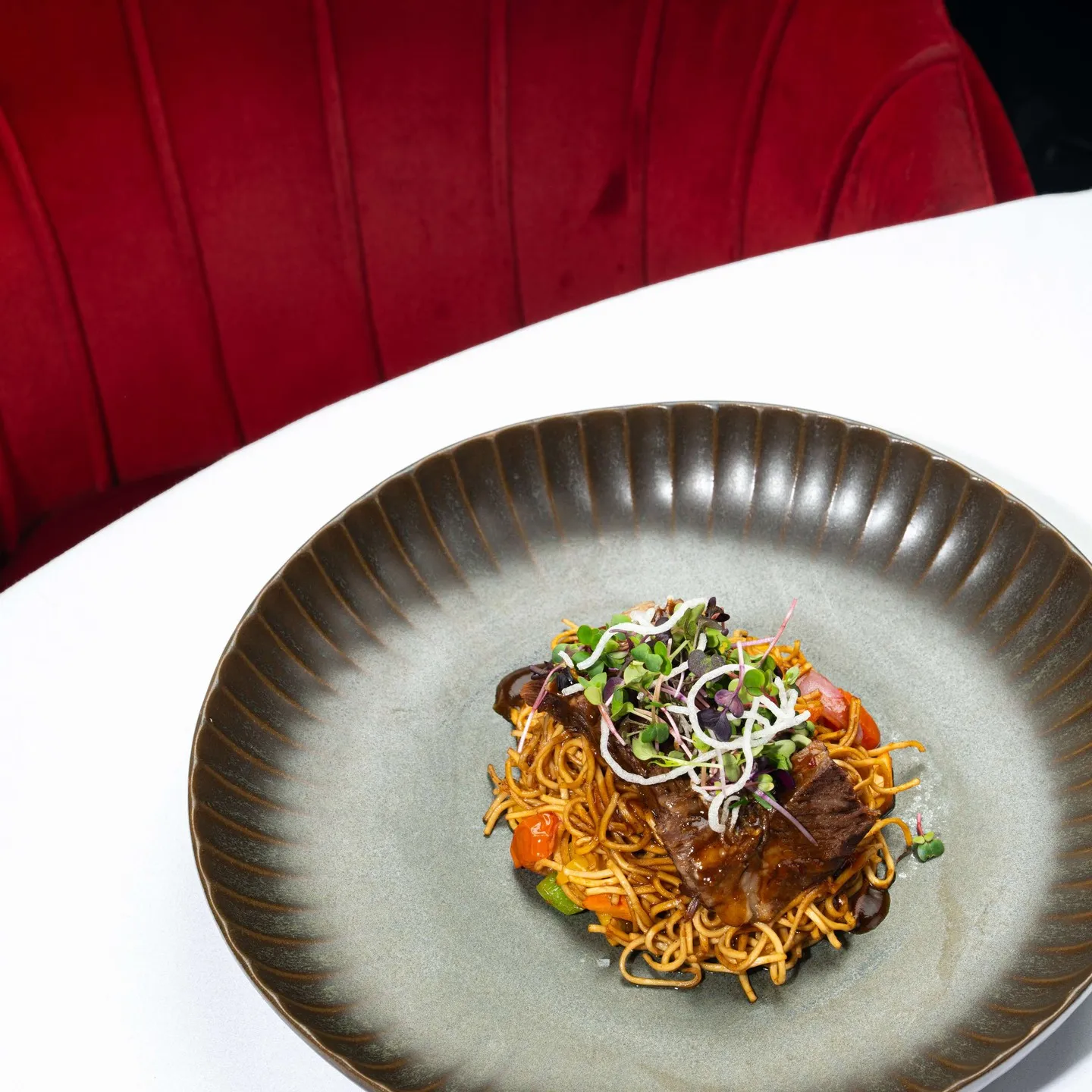
Toki has three noodle dishes in the grains and vegetables section of the menu: Braised Short Rib Noodles, Rice Noodles and Vegetable Noodles. See current prices on the menu.
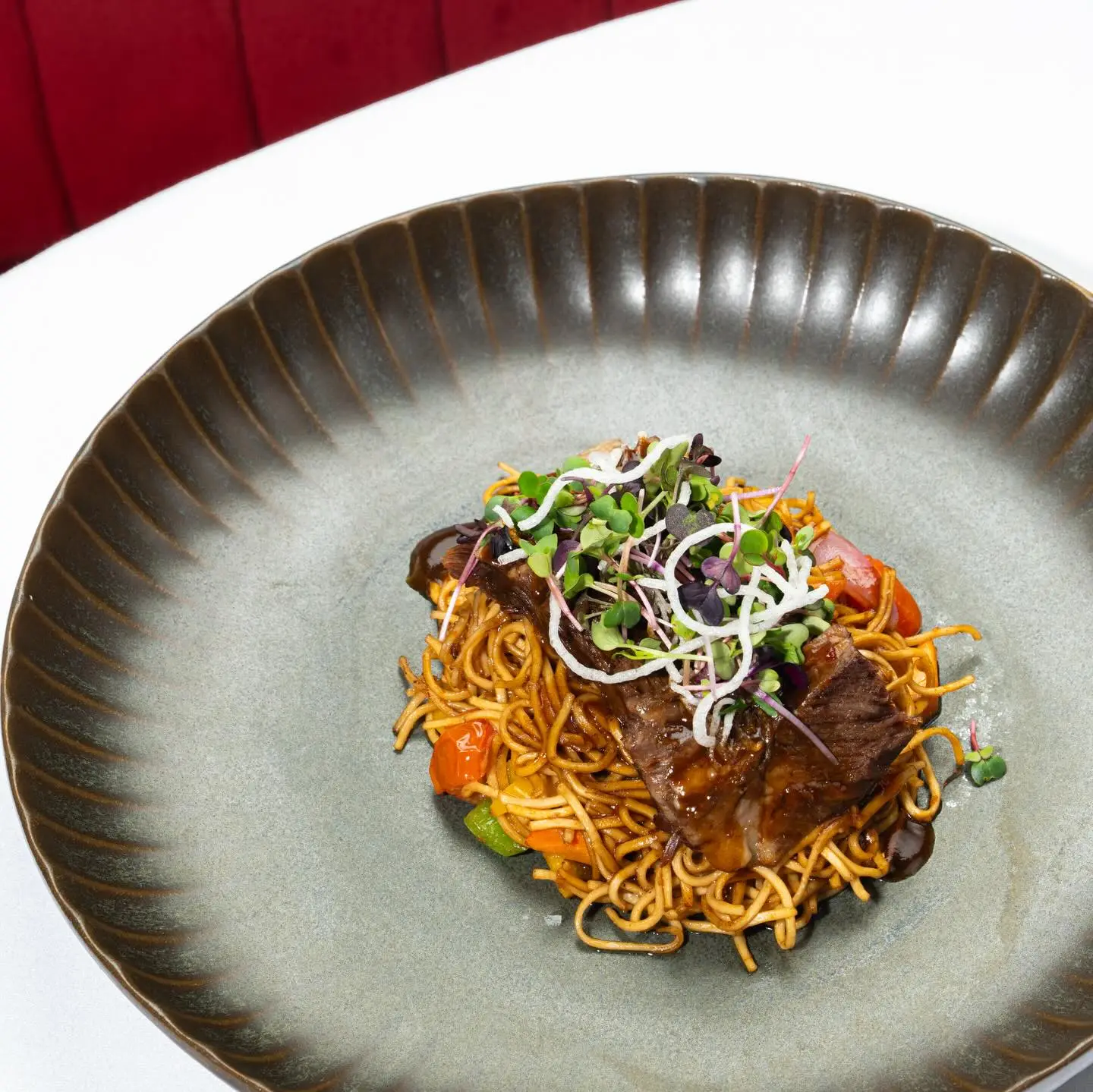
- Braised Short Rib Noodles: spiced honey short rib, roasted vegetables and a braised Chinese sauce. The most filling of the three, and enough for two to share as a main.
- Rice Noodles: prawns, chicken and vegetables with red chili and oyster sauce, the one with some heat.
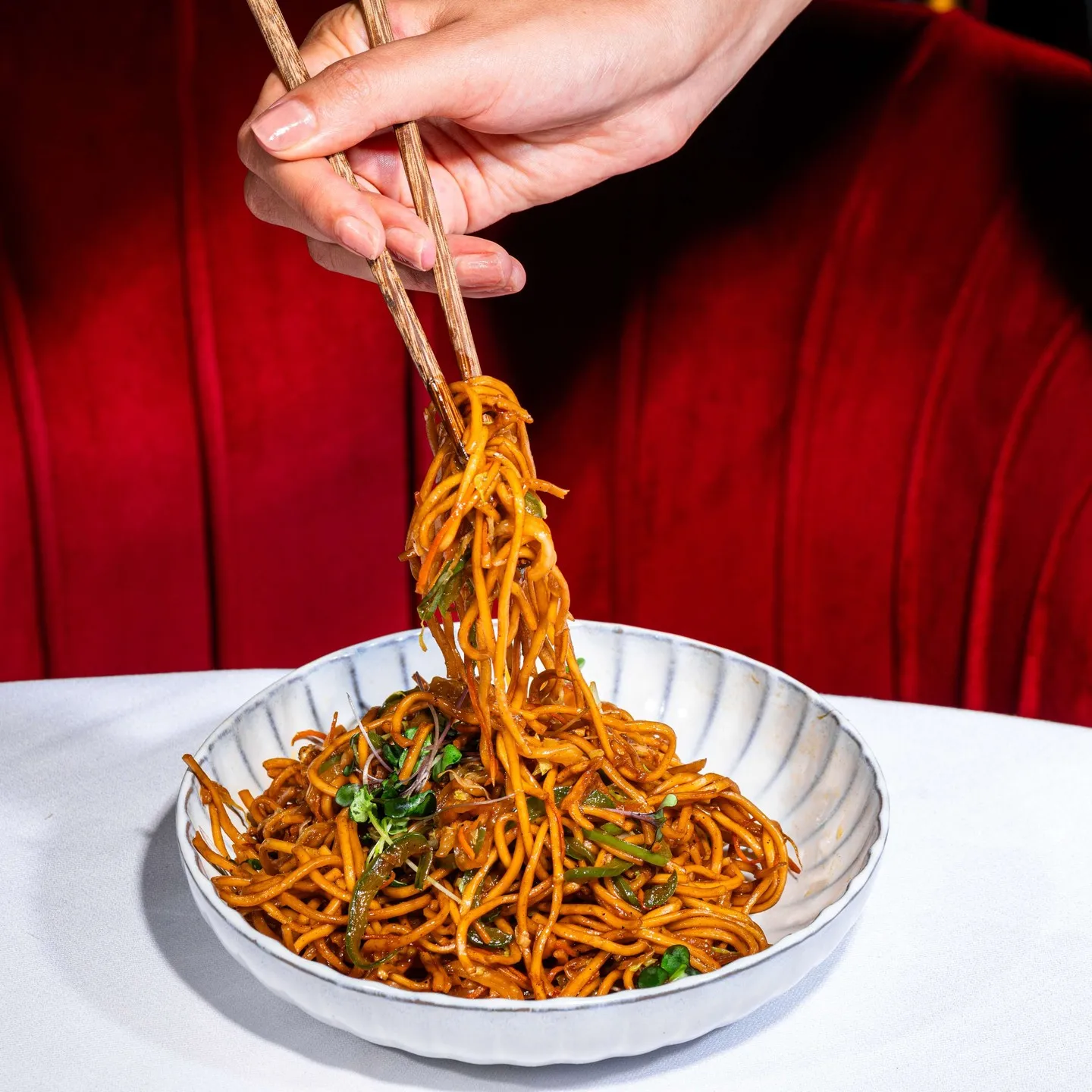
- Vegetable Noodles: Chinese cabbage, carrot, onion and soy. Toki’s Instagram describes them as full of wok-fired flavour, and they make a calm partner for spicy dishes such as Kung Pao Chicken.
All three list gluten, soybeans, sesame, eggs, fish and crustaceans, so even the Vegetable Noodles do not suit a seafood allergy. Tell your server about any allergy before you order.
Treat noodles as one shared dish: one noodle dish for every two people is enough next to dim sum and a main. For a full guide to building a table, read what to order at Toki.
Where can you eat Chinese noodles in Jeddah?
At Toki, on King Abdulaziz Road in Al Khalidiyah, Jeddah, where the noodles are made by hand.
See opening hours and directions, book your table online or call reservations on 050 466 5658.
Quick answers
Is chow mein the same as lo mein?
No. Chow mein noodles are fried in the wok until lightly browned or crisp, while lo mein noodles are tossed with sauce and stay soft.
What are glass noodles made of?
Usually mung bean starch. They turn clear when cooked, which gives them their name.
Are rice noodles gluten free?
Plain rice noodles contain no wheat, but Toki’s Rice Noodles list gluten among their allergens, so ask your server.
Does Toki make its noodles by hand?
Yes. Toki’s Instagram shows a chef stretching noodle dough by hand and says every strand of noodle is made by hand.
Is Toki halal?
Yes. Toki runs a halal kitchen.