Baozi and Bao Buns Explained: Steamed, Pan Fried and Baked
Baozi and bao buns explained: the dough, steamed vs pan fried vs baked buns, gua bao, and the three buns on the Toki menu in Jeddah, from crystal to wagyu.
. 6 min read
Baozi are Chinese filled buns: a soft, yeasted wheat dough wrapped around a filling and steamed until it turns white, light and springy. Bao is the short name, and in English “bao bun” now covers almost any Chinese bun, including the folded gua bao.
Toki, a Chinese restaurant in Al Khalidiyah, Jeddah, selected in the MICHELIN Guide Saudi Arabia, serves three buns, and each one shows a different side of the idea. This guide explains what bao is, how the dough works, how steamed, pan fried and baked buns differ, and what to expect from the buns on Toki’s menu.
What is baozi?
Baozi is a filled Chinese bun made from leavened wheat dough, usually cooked by steaming. The Chinese character bao means “to wrap”, which is exactly what the dough does: it is gathered around the filling and pleated shut at the top.
A plain steamed bun with no filling has a different name, mantou. Buns are everyday food across China, above all in the wheat-growing north, where people buy them from street stalls and eat them for breakfast. In the south they sit on dim sum tables next to dumplings and tea. Fillings run from meat and vegetables to sweet pastes such as red bean and lotus seed, or a soft custard.
What is bao dough made of?
Bao dough is wheat flour, water, yeast and a little sugar, sometimes with milk or baking powder for extra softness. It is left to rise, shaped around the filling, rested again and then steamed.
Steam is what gives bao its character. The dough cooks in moist heat, so it never forms a crust or browns. It stays white, with a smooth skin and a fluffy, slightly sweet crumb that is closer to soft bread than to pastry.
What is the difference between bao and a dumpling?
Bao uses a thick, risen dough that turns fluffy, while most dumplings use a thin, unrisen wrapper that turns silky or translucent. A bun is bread around a filling. A dumpling is a filling in a fine skin.
The names blur the line. Xiao long bao carries the word bao, but it eats like a dumpling: a thin wrapper, a pleated top and hot broth sealed inside. The xiao long bao guide explains how to eat it without burning your mouth, and types of dim sum sorts the rest of the steamer baskets by wrapper and technique.
What are the main types of bao: steamed, pan fried or baked?
The three main types of bao are steamed, pan fried and baked. Steamed buns are soft and white, pan fried buns have a crisp golden base under a soft top, and baked buns have a browned, often glazed crust, like a bread roll.
- Steamed bao: the classic. Cooked in bamboo or metal steamers, it stays pale and springy. This is what most people mean by baozi, and by steamed bao on a menu.
- Pan fried bao: small buns set in a wide, shallow pan with a little oil. Once the bottoms colour, a splash of water goes in and a lid goes on, so the buns steam through while the base crisps. Shanghai is famous for them, often finished with sesame seeds and spring onion.
- Baked bao: brushed with egg or a glaze and baked, so the top turns golden and lightly sweet. Cantonese bakeries and dim sum teahouses are known for them. Hong Kong’s best-known baked bun, the pineapple bun, is named after its crackly sugar crust, which looks like pineapple skin. There is no pineapple in it.
What is gua bao?
Gua bao is a flat oval of bun dough folded in half and steamed, then opened and filled like a sandwich. It is best known as Taiwanese street food, and outside Asia it is usually what a menu means by a “bao bun”.
Baozi is sealed around its filling before it cooks. Gua bao is filled after steaming, so the filling can be crisp, saucy or fresh, and the soft bun holds it like a folded napkin. Herbs, pickles and something crunchy are the usual partners for a rich filling.
What buns does Toki serve?
Toki serves three buns: the Crystal Asparagus Bun in the dim sum section, and the Wagyu ‘Shen Jing’ Bun and the Baked Smoked Angus Bun among the starters. One has a translucent wrapper, one is a soft folded bun, and one is baked.
Crystal Asparagus Bun
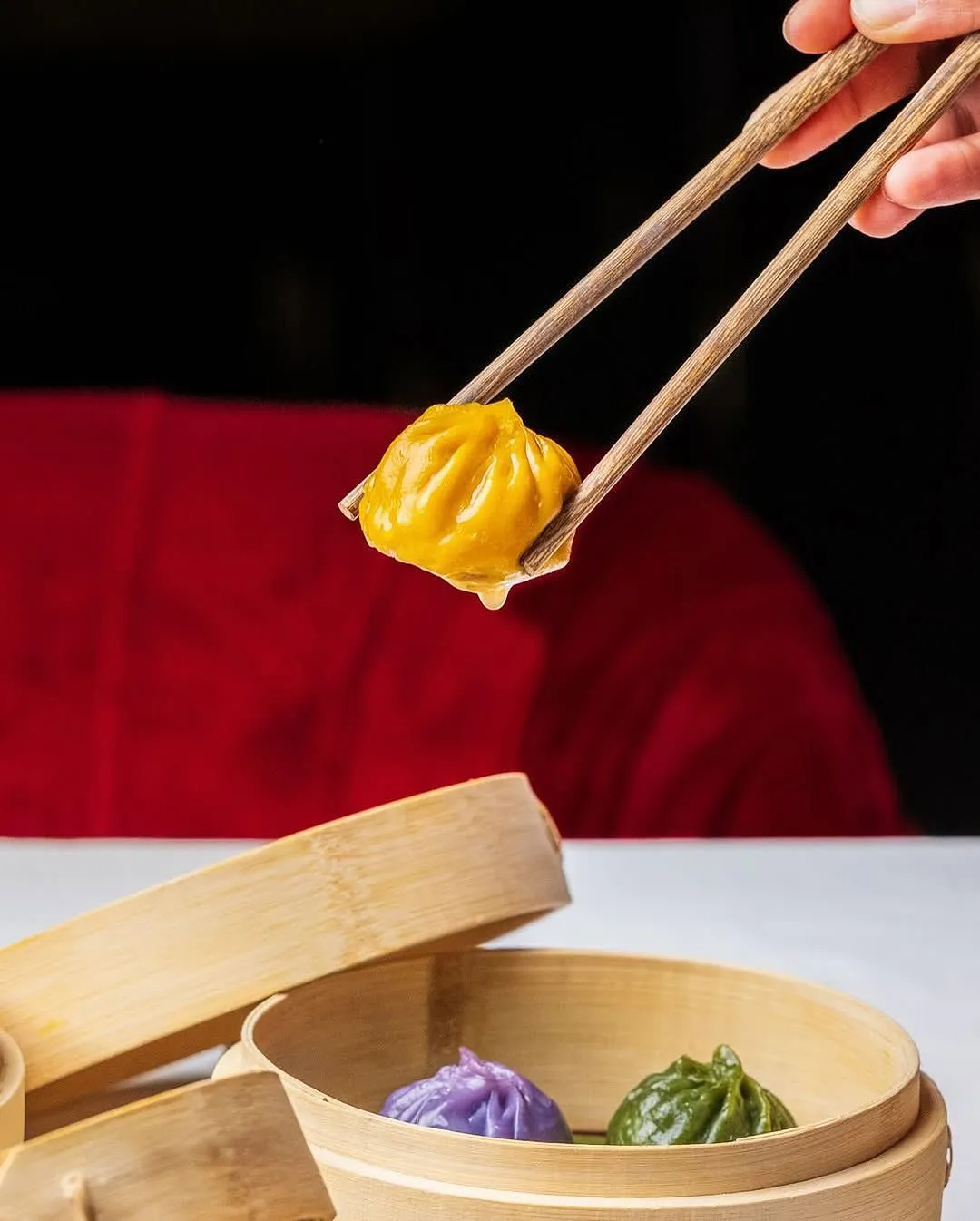
The Crystal Asparagus Bun is filled with asparagus and king mushroom. It is made with a crystal wrapper, the thin, translucent dough used for har gao, so it looks more like a glassy dumpling than a fluffy bun, and you can see the filling through the skin.
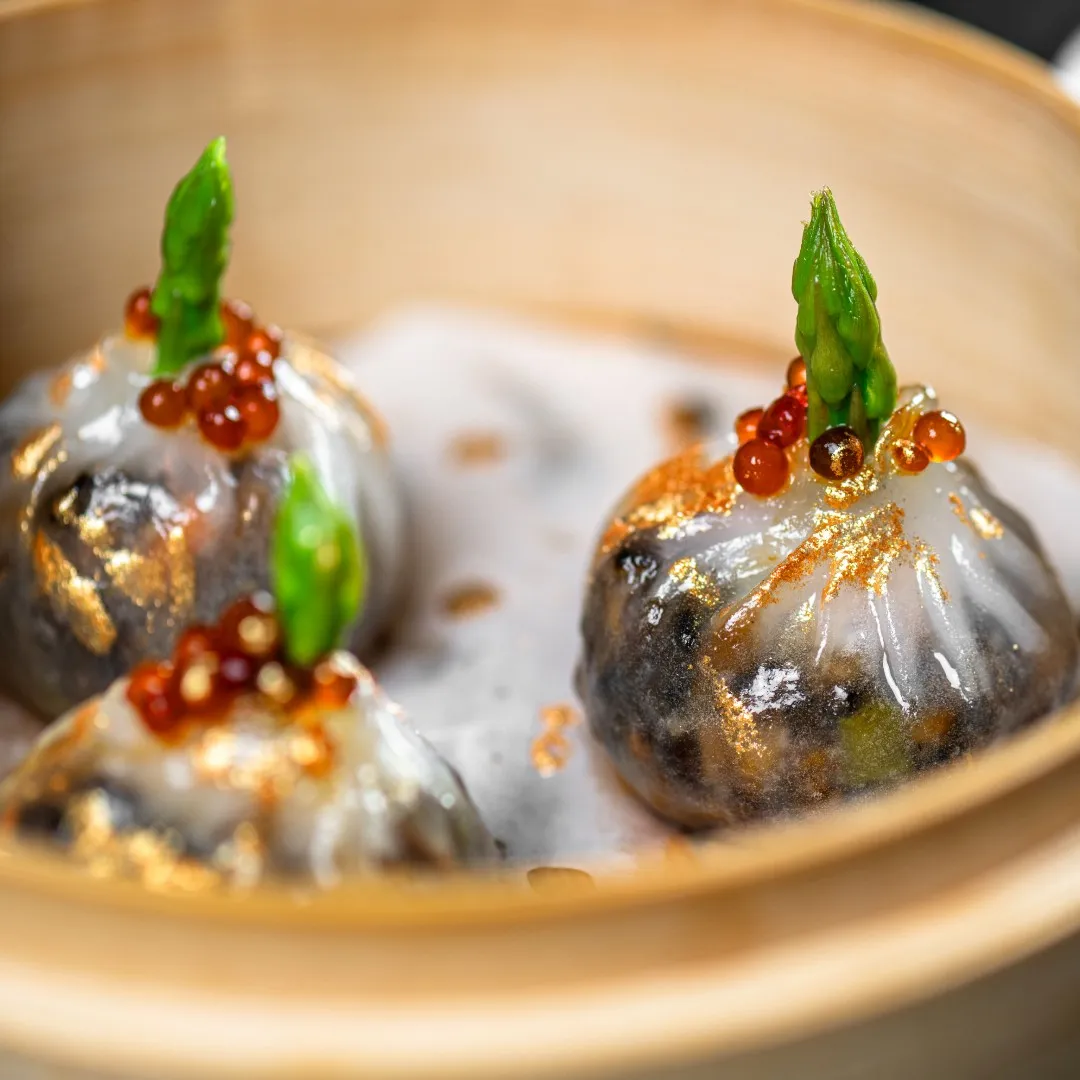
Toki’s Instagram shows the buns served in a bamboo steamer, each one finished with a green asparagus tip. It is the lightest of the three and the only one built around vegetables, which makes it a clean bite between richer dim sum.
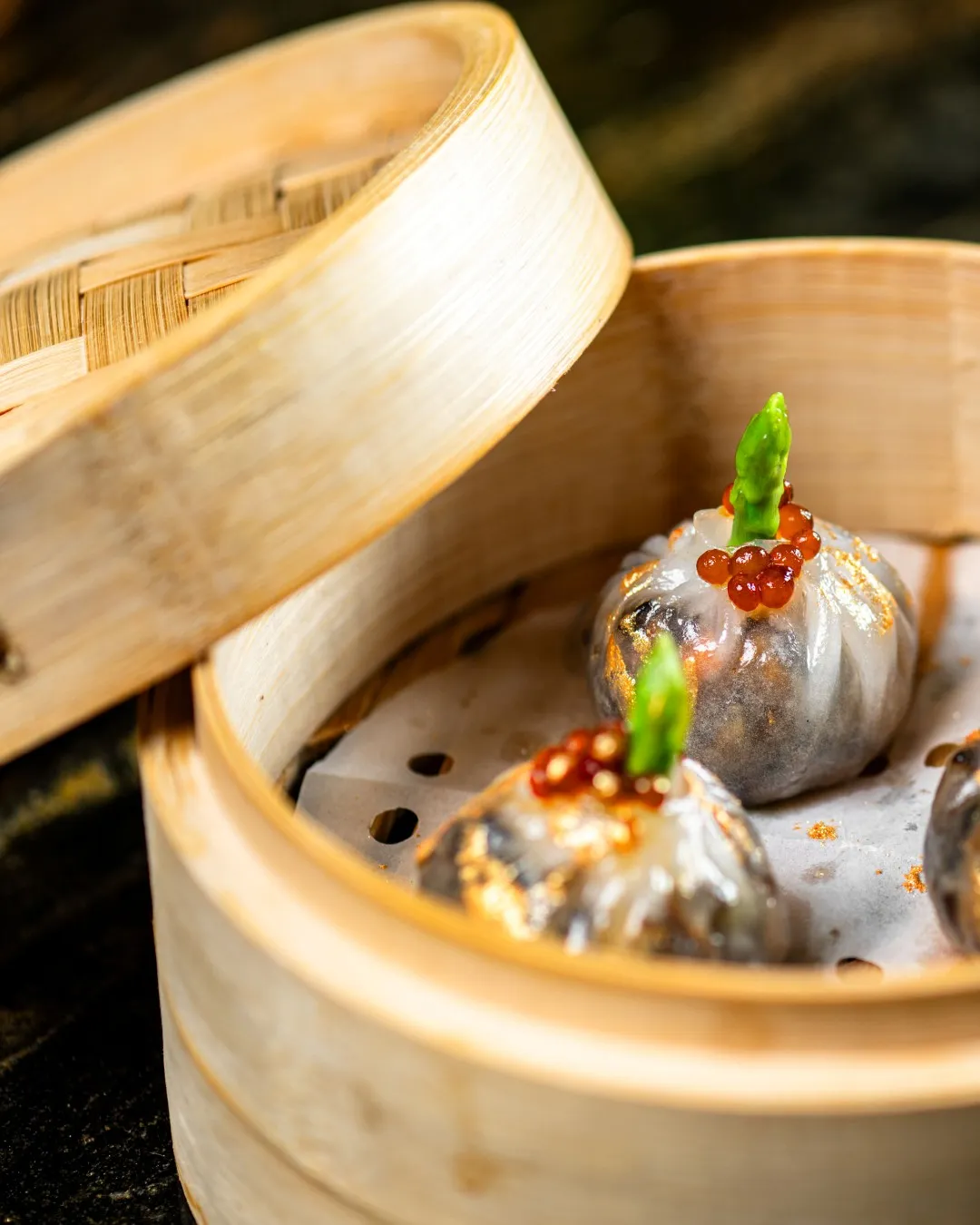
The menu lists gluten, soybeans and dairy as allergens and marks it as high in sodium.
Wagyu ‘Shen Jing’ Bun
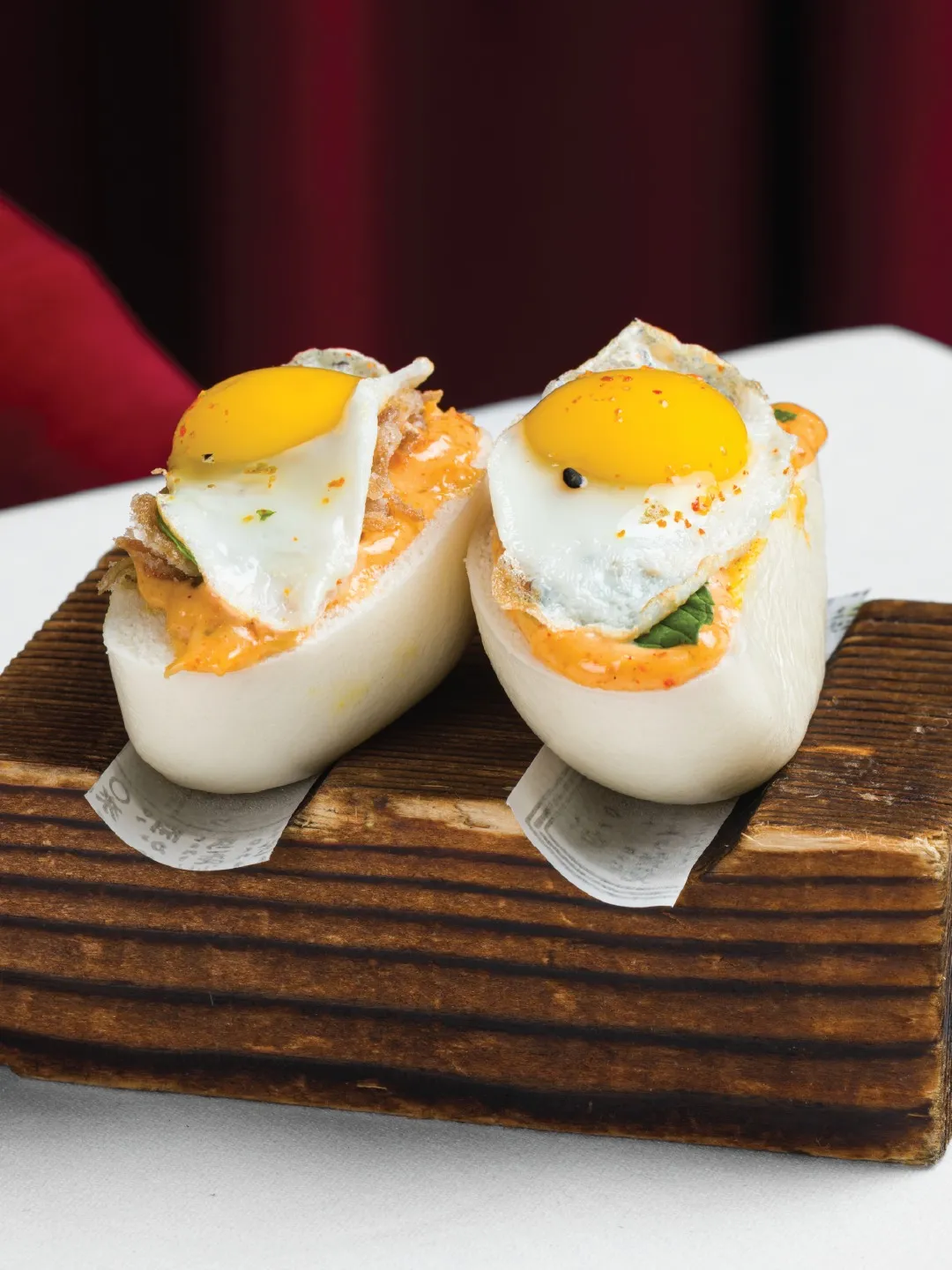
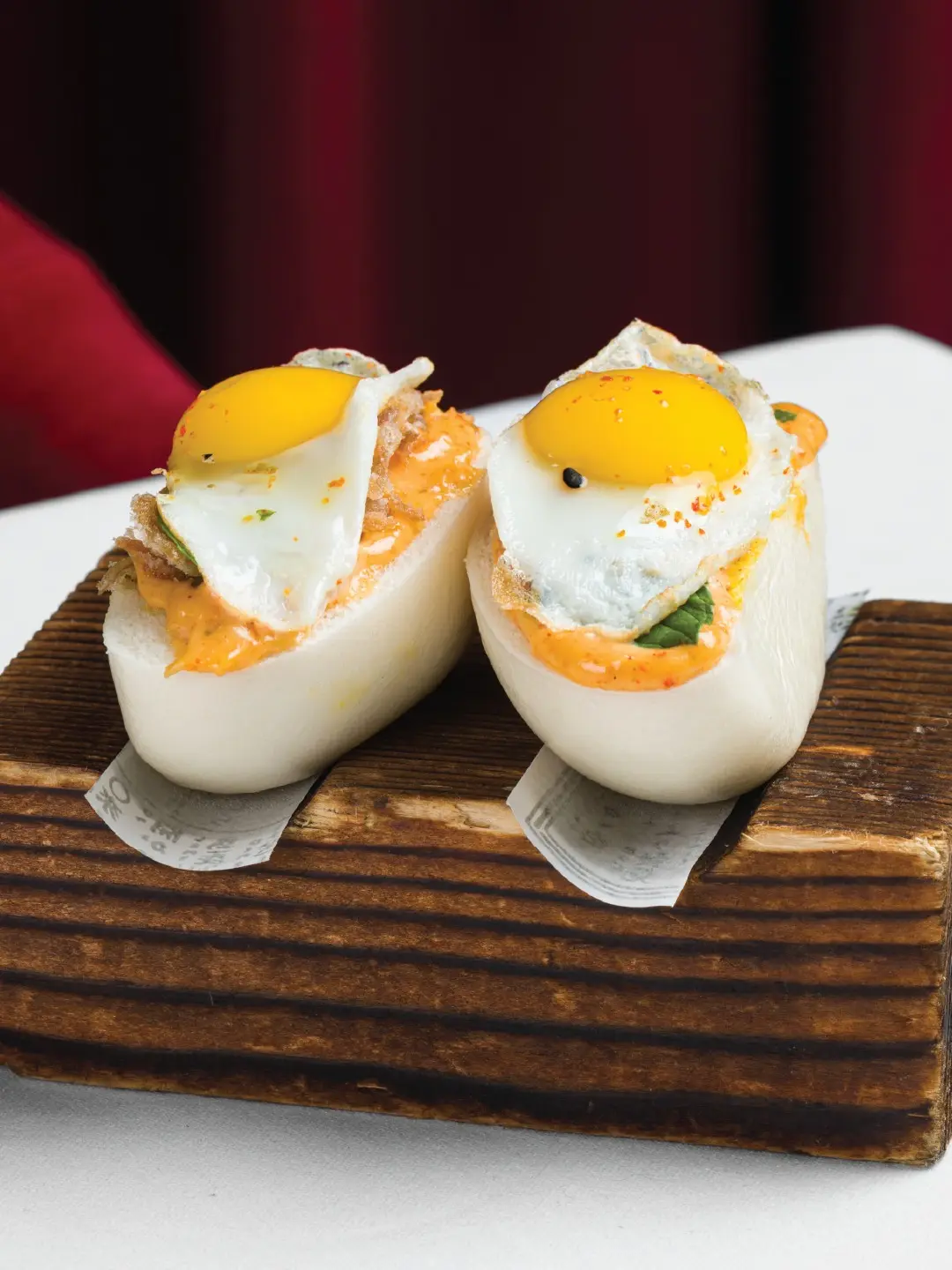
The Wagyu ‘Shen Jing’ Bun brings wagyu together with crispy duck skin, quail egg, a spicy topping and mint. On Toki’s Instagram it appears as a soft white bun folded open like a gua bao, with the quail egg sitting on top, yolk up.
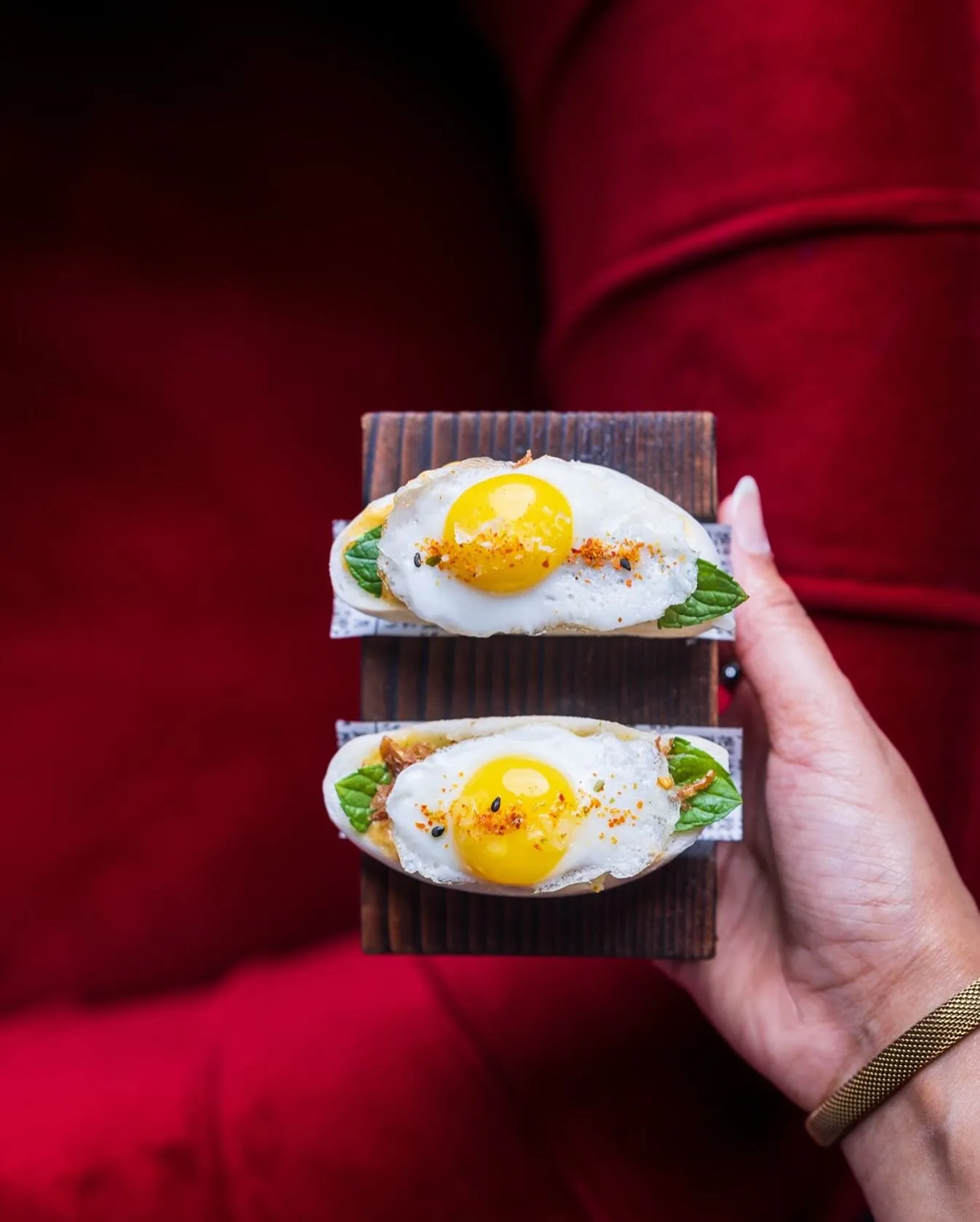
It is rich and layered: crisp duck skin, soft egg, heat from the topping and freshness from the mint. The menu lists gluten, soybeans, sesame, dairy, eggs and chilli. For more on the beef itself, read wagyu beef in Jeddah.
Baked Smoked Angus Bun
The Baked Smoked Angus Bun is the baked one: smoked short rib, a spicy creamy sauce, chili and spring onion. It is the heartiest of the three, with smoke and heat in the filling.
The menu lists gluten, soybeans, sesame, dairy, eggs, crustaceans, onion, garlic and chilli, so mention a shellfish allergy before you order.
How should you order bao at Toki?
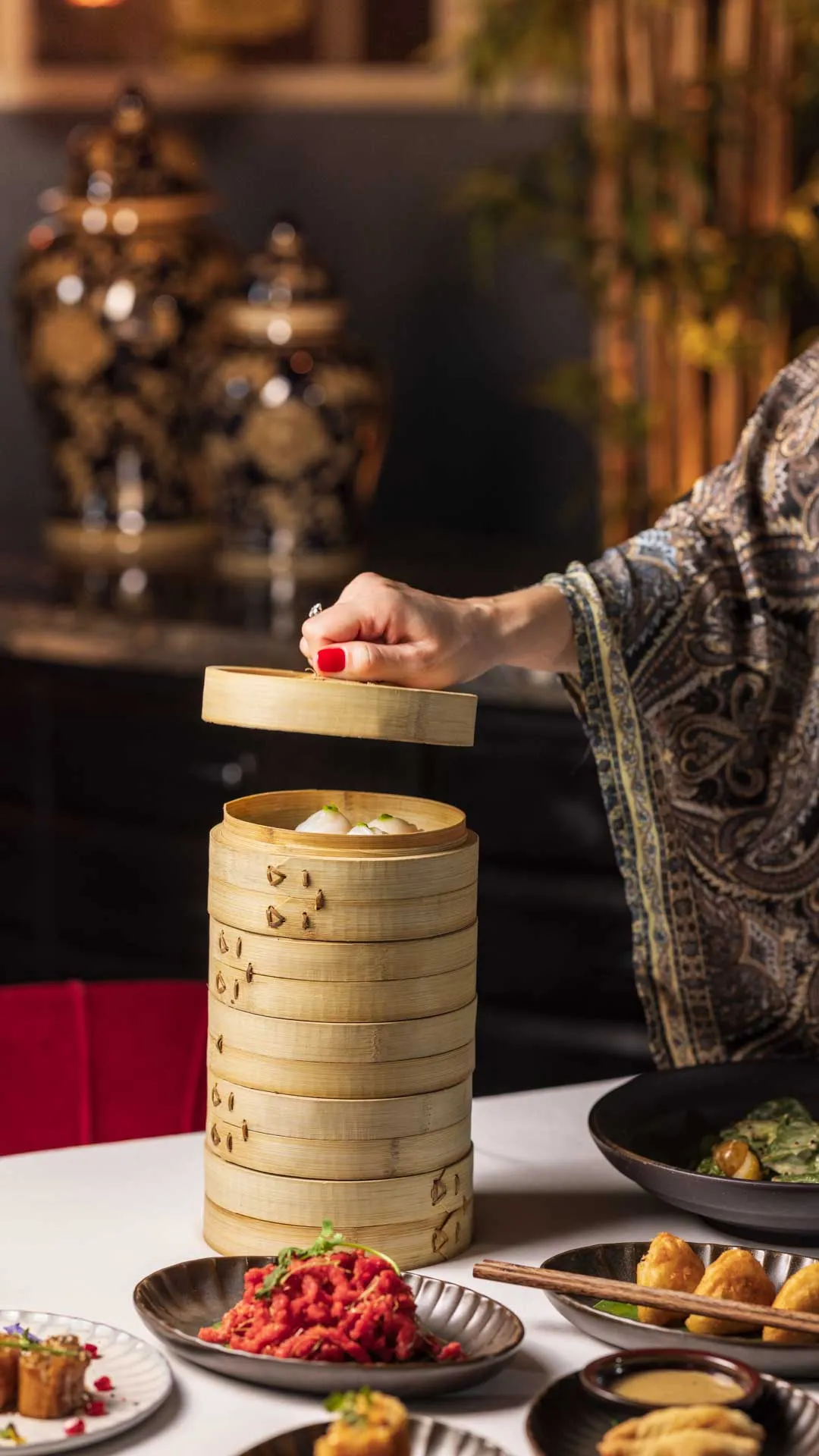
Treat buns as part of a shared dim sum table rather than as a main course. Order them with the dumplings, pass them round, and keep the richer buns for the second round.
A light first round could pair the Crystal Asparagus Bun with Xiao Long Bao and Crystal Shrimp. Add the Wagyu ‘Shen Jing’ Bun or the Baked Smoked Angus Bun next, before mains such as the Toki Peking Duck. If dim sum is new to you, read what dim sum is and how it works first, then the complete guide to dim sum in Jeddah. Names you meet on the menu are explained in the Chinese food glossary, and current prices are on the menu.
Where can you eat bao in Jeddah?
At Toki, on King Abdulaziz Road in Al Khalidiyah, Jeddah, where all three buns are on the current menu. Find opening hours and directions on the visit page.
You can book your table online or call reservations on 050 466 5658.
Quick answers
Is bao the same as baozi?
Yes. Bao is the short form of baozi, the Chinese filled bun. In English, “bao bun” is also used for the folded gua bao.
Are bao buns steamed or baked?
Most are steamed. Pan fried and baked buns are traditional too, and Toki serves a baked one, the Baked Smoked Angus Bun.
Which bun at Toki is built around vegetables?
The Crystal Asparagus Bun, filled with asparagus and king mushroom. Ask your server about ingredients if you follow a strict diet.
Is Toki halal?
Yes. Toki runs a halal kitchen.