Kung Pao vs Sweet and Sour: Chinese Chicken Dishes Explained
Kung pao chicken and sweet and sour chicken explained: where each comes from, how spicy or sweet it is, and every chicken dish on the Toki menu in Jeddah.
. 6 min read
Kung pao chicken and sweet and sour chicken are the two Chinese chicken dishes most people know by name, and they sit at opposite ends of the menu. One is Szechuan, savoury and hot. The other is Cantonese, sweet, tangy and mild.
Both are on the menu at Toki, a Chinese restaurant in Al Khalidiyah, Jeddah, selected in the MICHELIN Guide Saudi Arabia, and both cost SAR 154. This guide explains each dish, how the two compare, and the other chicken dishes worth ordering, with prices from the November 2026 menu.
What is kung pao chicken?
Kung pao chicken is a stir-fry from Szechuan (also written Sichuan) province in southwest China: diced chicken cooked fast in a hot wok with dried red chilies, nuts and a glossy sauce that is savoury, a little sweet and sharpened with black vinegar.
Traditional versions use peanuts and Szechuan peppercorns, which add a light, numbing tingle on top of the chili heat. Many restaurants outside China use cashews instead. The name comes from gongbao, an honorary title in imperial China, and the dish is usually linked to a governor of Szechuan who held that title.
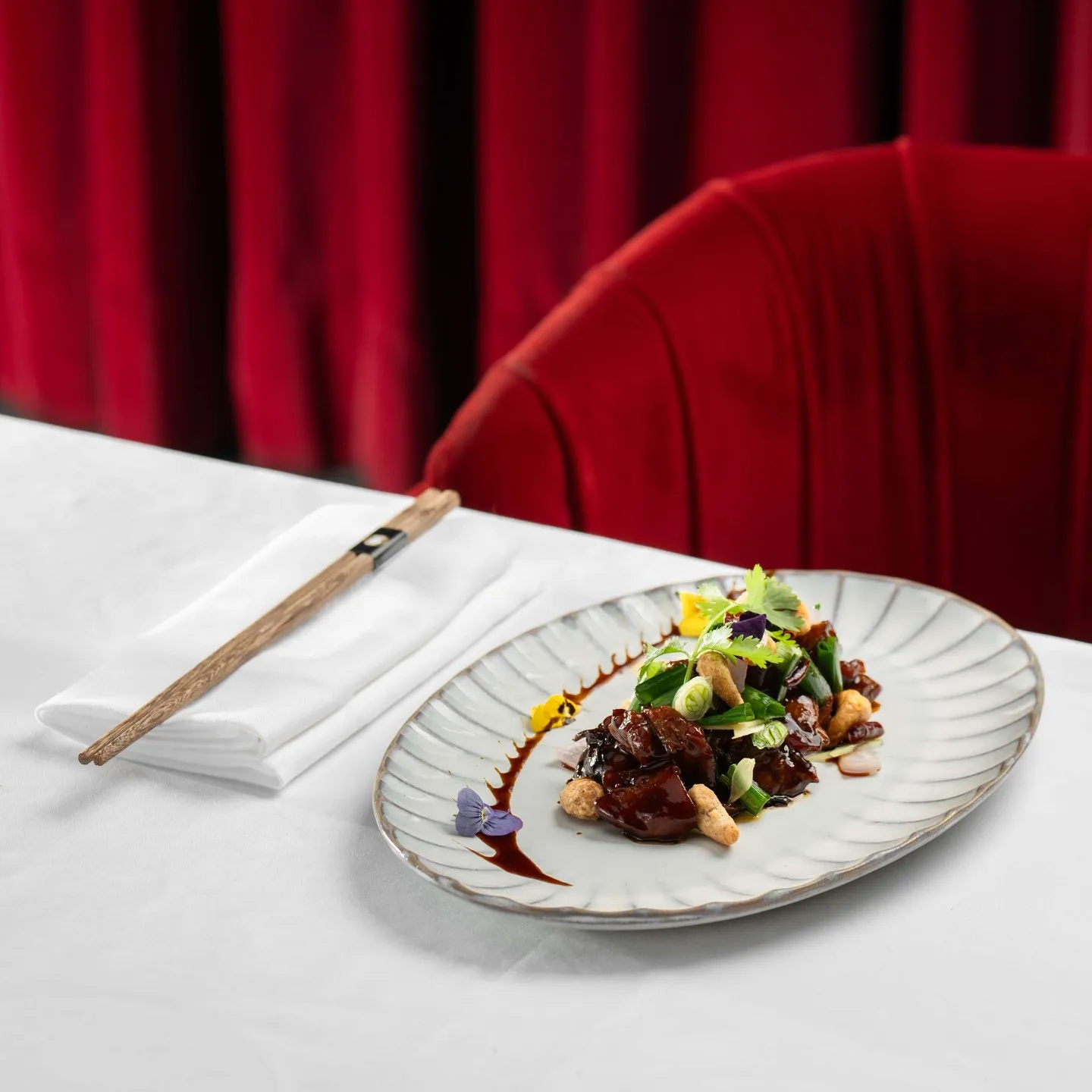
At Toki, Kung Pao Chicken (SAR 154) is made with chicken, cashew nuts, dried chili and black vinegar. The chilies bring the heat, the cashews bring crunch and a soft sweetness, and the vinegar keeps the sauce from feeling heavy. For more on the cooking behind it, read the guide to Szechuan cuisine in Jeddah.
What is sweet and sour chicken?
Sweet and sour chicken is a Cantonese dish from southern China: pieces of chicken in a bright, glossy sauce built on vinegar and sugar, usually cooked with pineapple and peppers.
Sweet and sour flavours run through many regional Chinese cuisines, but the version with fruit and peppers that most people picture comes from Cantonese kitchens, and it travelled the world with Cantonese cooks. In most recipes the chicken is coated and fried first, so it holds its texture under the sauce.
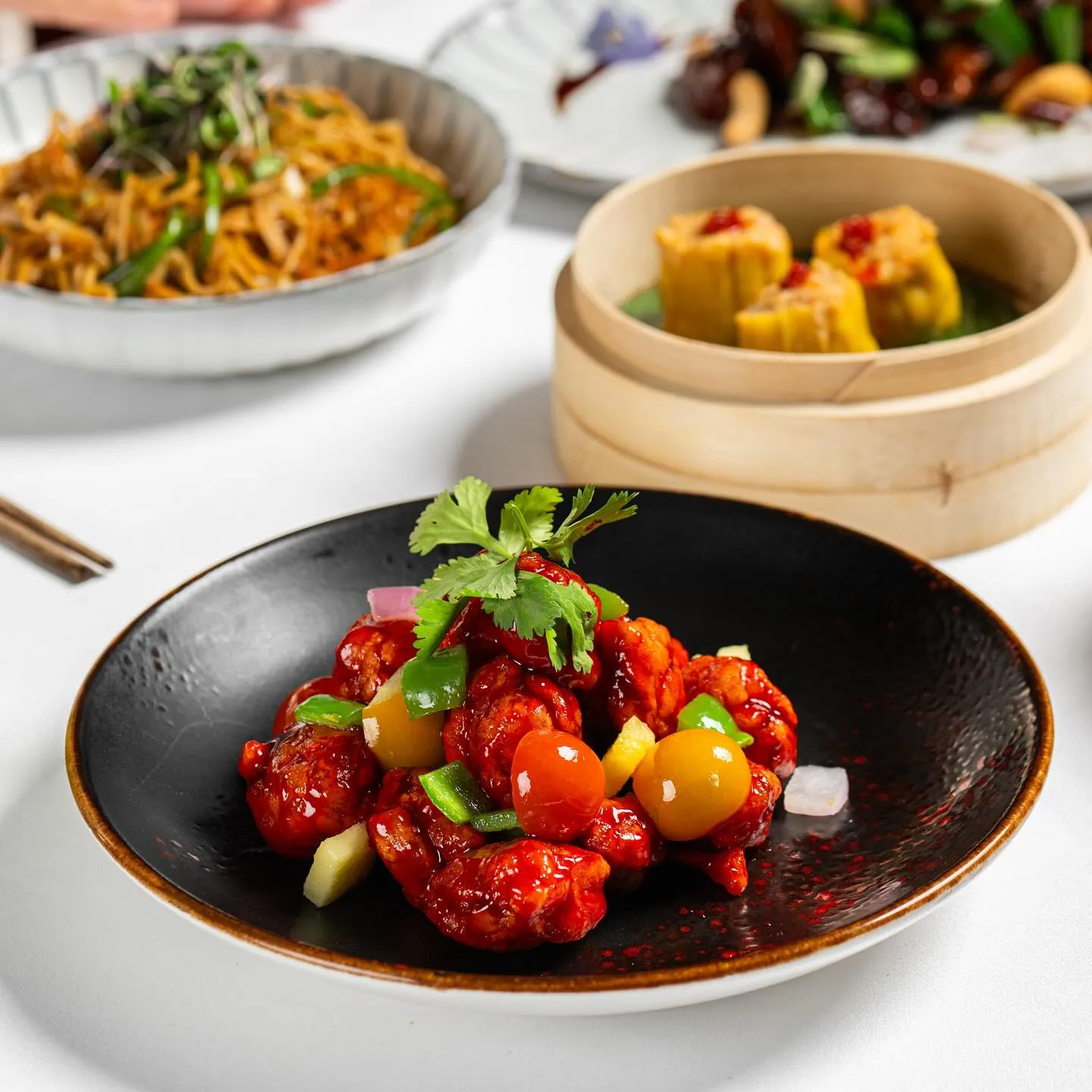
Toki’s Sweet and Sour Chicken (SAR 154) combines chicken, pineapple, bell peppers and sweet and sour sauce. Toki’s own Instagram shows it coming straight from the wok, tossed and glazed. To see where this style of cooking comes from, read Cantonese cuisine explained.
What is the difference between kung pao chicken and sweet and sour chicken?
Kung pao chicken is spicy and savoury, with a sour edge from black vinegar and crunch from nuts. Sweet and sour chicken is mild, fruity and clearly sweet. One wakes the table up, the other calms it down.
- Region: kung pao is Szechuan, from the southwest. Sweet and sour, in the form most people know, is Cantonese, from the south.
- Heat: kung pao gets real heat from dried chilies. Sweet and sour has little or none.
- Sweetness: kung pao is only lightly sweet. Sweet and sour leads with sweetness, from the sauce and the pineapple.
- Texture: kung pao pairs tender chicken with crunchy nuts. Sweet and sour pairs chicken with juicy pineapple and soft peppers.
- At Toki: both are SAR 154. Kung Pao Chicken is 490 kcal and Sweet and Sour Chicken is 430 kcal.
They work well on the same table. If there are four of you, order both, and the spicy dish and the sweet one balance each other across the meal.
Which chicken dish should you order if you do not like spice?
Order the Smoked Corn Chicken or the Chicken Lettuce Wrap. Neither lists chilli among its allergens on the Toki menu, which makes them the safest chicken choices for anyone avoiding heat.
Sweet and Sour Chicken is the mildest of the main course chicken dishes and the easy pick for children and anyone who prefers sweeter food. The menu does list chilli among its allergens, though, so ask your server if you avoid chilli completely. The Sweet Corn Soup (SAR 72), with chicken, egg white and chicken broth, is another gentle option.
Kung Pao Chicken, Bang Bang Chicken, Szechuan Sui Mai and Xiao Long Bao all contain chilli.
Which other chicken dishes does Toki serve?
Beyond the two classics, Toki has three chicken starters and two chicken dim sum, so chicken can come to the table at every stage of the meal.
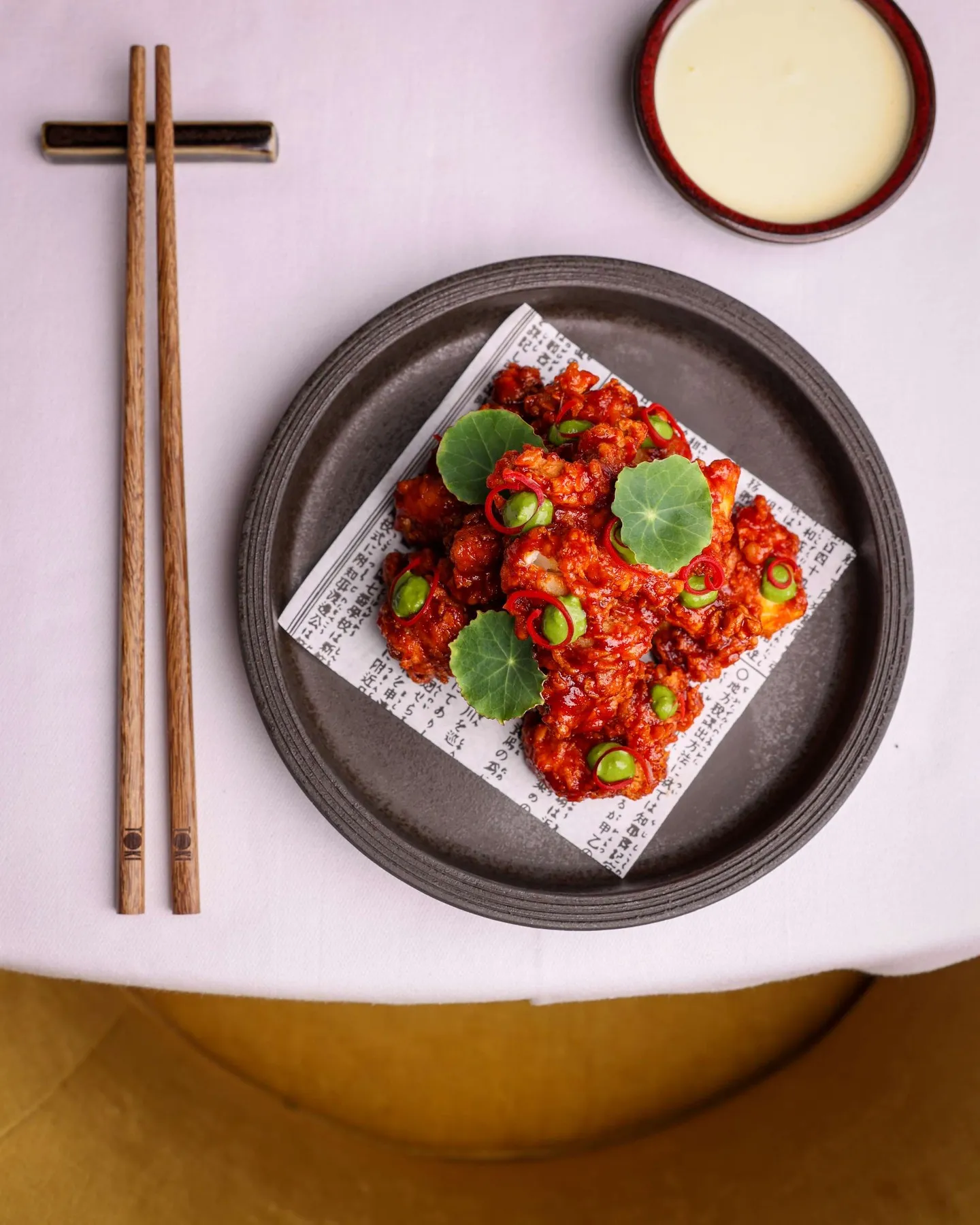
- Bang Bang Chicken (SAR 72): bang bang sauce, pandan cream and pineapple aioli. Bang bang chicken began in Szechuan as cooked chicken dressed in a sesame and chili sauce, and the name is usually traced to the wooden stick once used to beat the meat so it shreds easily. Toki’s version takes the idea somewhere new with pandan and pineapple.
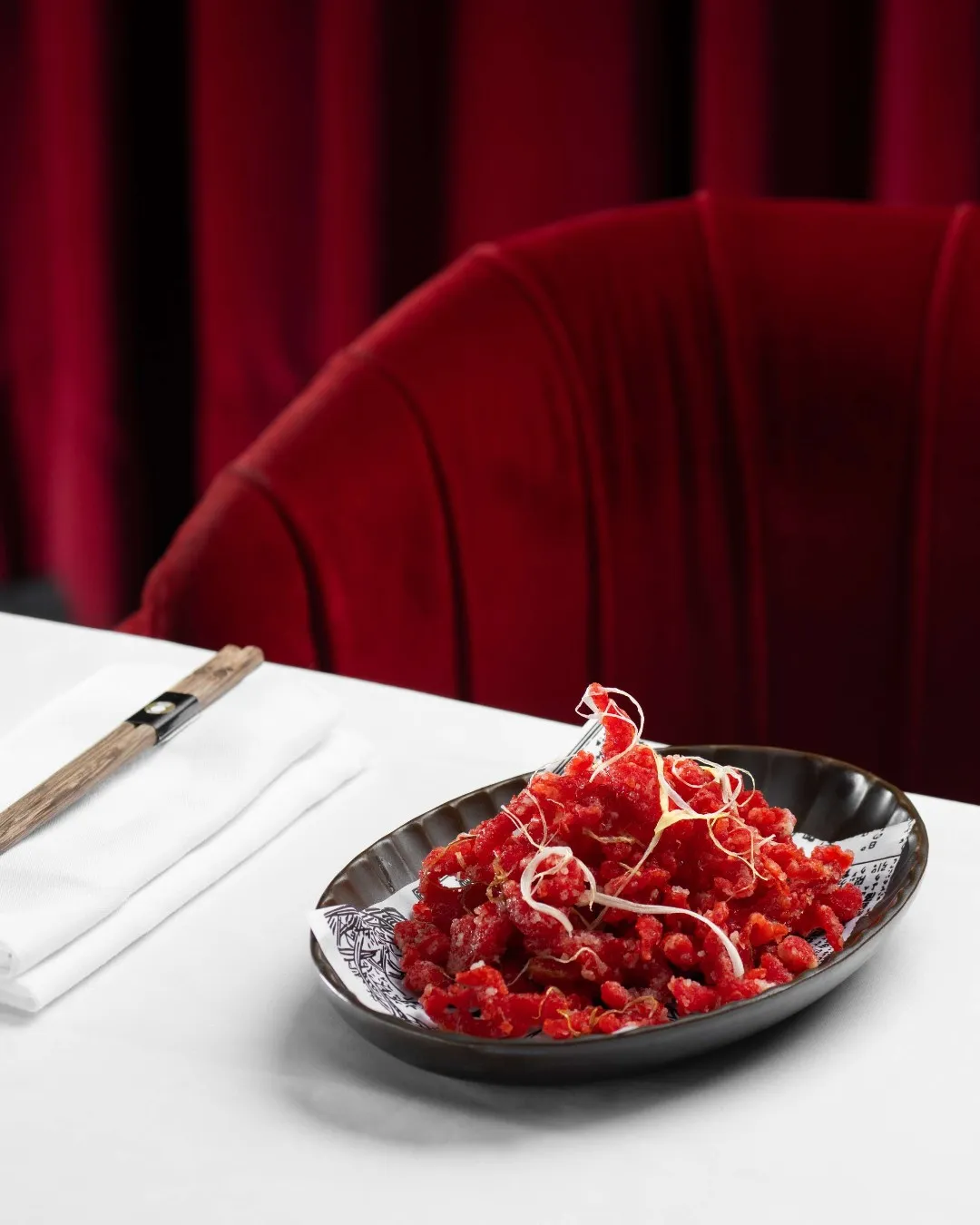
- Smoked Corn Chicken (SAR 94): caramelized chicken with soy bean paste and spring onion. Savoury and a little sweet, with no chilli listed.
- Chicken Lettuce Wrap (SAR 94): mushroom and mixed vegetables served with baby lettuce. Fresh and light, and made for sharing.
- Szechuan Sui Mai (SAR 50): an open dumpling with chicken, shrimp, soybean, chili, Chinese mushroom and spring onion.
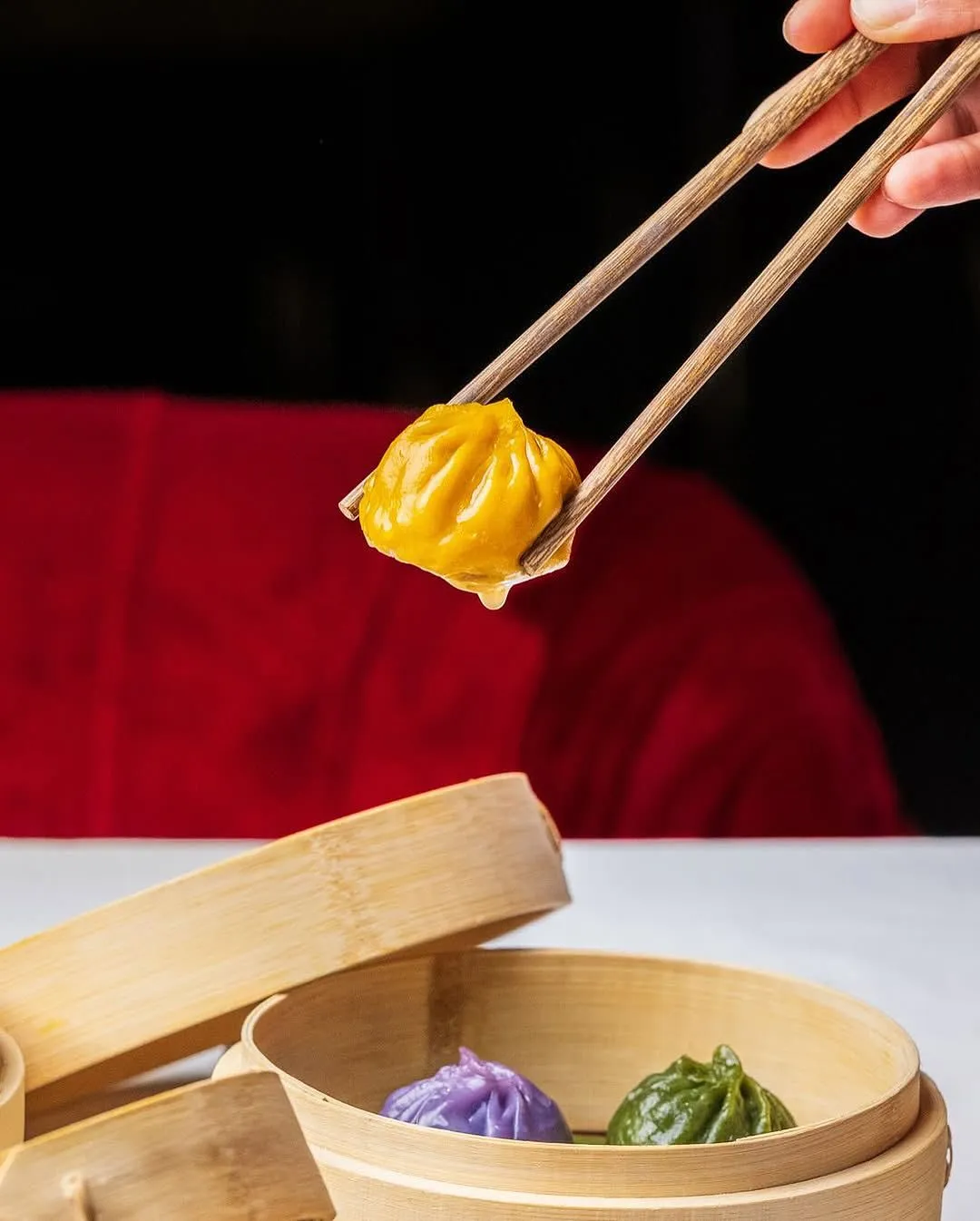
- Xiao Long Bao (SAR 68): Guangzhou style chicken dumplings with a light spicy sauce. There is more on these in the Xiao Long Bao guide.
Chicken also appears in the Szechuan Hot and Sour Soup (SAR 83), with shrimp, tofu and black mushroom, and in the Rice Noodles (SAR 90), with prawns and vegetables.
What allergens are in Toki’s chicken dishes?
Kung Pao Chicken contains tree nuts, from the cashews, so it is the dish to avoid with a nut allergy. Bang Bang Chicken lists tree nuts too. Here is what the menu lists for each:
- Kung Pao Chicken: gluten, soybeans, sesame, tree nuts, eggs, celery, onion, chilli.
- Sweet and Sour Chicken: gluten, eggs, fish, celery, chilli.
- Bang Bang Chicken: gluten, soybeans, sesame, tree nuts, dairy, eggs, celery, onion, garlic, chilli.
- Smoked Corn Chicken: gluten, soybeans, sesame, eggs, onion.
- Chicken Lettuce Wrap: gluten, soybeans, sesame, crustaceans, onion.
- Szechuan Sui Mai and Xiao Long Bao: gluten, soybeans, sesame, crustaceans, onion, chilli.
Peanuts are not listed for any of them. Tell your server about any allergy before you order, and see calories and allergens for every dish on the Toki menu page.
How should you order chicken dishes at Toki?
Order chicken as one part of a shared table, not as one plate each. For two people, one chicken main is enough next to dim sum, a starter and a rice or noodle dish. For four, order both the Kung Pao Chicken and the Sweet and Sour Chicken.
Both have sauces made to be eaten with rice, so add Vegetable Fried Rice (SAR 50). A dinner for two of Xiao Long Bao, Chicken Lettuce Wrap, Kung Pao Chicken and Vegetable Fried Rice comes to SAR 366 before drinks. For a full walk through the menu, read what to order at Toki.
Where can you eat kung pao chicken in Jeddah?
At Toki, on King Abdulaziz Road in Al Khalidiyah, Jeddah. Toki is open Saturday to Wednesday, 1 pm to 11:30 pm, and Thursday and Friday, 1 pm to 12:30 am.
You can book your table online or call reservations on 050 466 5658.
Quick answers
Is kung pao chicken spicy?
Yes. Dried chilies give kung pao chicken its heat, and in the classic recipe black vinegar and a little sugar balance it. Toki’s version is made with dried chili.
Does kung pao chicken have peanuts or cashews?
Traditionally it uses peanuts. Toki’s Kung Pao Chicken uses cashew nuts, so it contains tree nuts.
Is sweet and sour chicken spicy?
It is the mild one of the two and leads with sweetness. Toki’s menu lists chilli among its allergens, so ask your server if you avoid chilli completely.
How much is kung pao chicken at Toki?
SAR 154, the same price as the Sweet and Sour Chicken.
Is Toki halal?
Yes. Toki runs a halal kitchen.