Chinese Tea Guide: Jasmine, Oolong and Green Tea Explained
A guide to Chinese tea types, from green and oolong to jasmine, with what each of Toki’s nine teas is and which dishes to pair them with in Jeddah.
. 5 min read
Tea has been part of the Chinese table for well over a thousand years because it does one job better than any other drink: it clears the palate between very different dishes, so the next bite tastes as clear as the first.
Toki serves nine teas at SAR 28 each, alongside a menu that runs from dim sum to Peking Duck. Tea and the nine signature mocktails make up the drinks list. Some are classic Chinese teas and some are not. This guide explains the main Chinese tea types, what each tea on Toki’s list is, and what to drink it with.
What are the main types of Chinese tea?
All true tea comes from one plant, Camellia sinensis. Green, oolong and black tea are the same leaf processed in different ways, and the biggest difference is how much the leaf oxidises after picking.
China traditionally sorts its teas into six families: green, white, yellow, oolong, red and dark. These are the four you are most likely to meet at dinner:
- Green tea is heated soon after picking, in China usually in a hot pan, which stops oxidation and keeps the leaf green. It tastes fresh, grassy or nutty, and it is the tea China drinks most.
- Oolong is partly oxidised, so it sits between green and black. It can be light and floral or deep and toasty. Most oolong comes from Fujian province and Taiwan.
- Black tea is fully oxidised. In China it is called red tea, hong cha, after the colour of the brewed cup. Confusingly, the Chinese term for black tea, hei cha, means dark teas such as pu-erh, which are a separate family.
- Scented tea is a finished tea, usually green, stored with fresh flowers until it takes on their aroma. Jasmine is the classic, and much of the best comes from Fujian.
Is herbal tea real tea?
No. Chamomile, mint and fruit infusions contain no leaf from the tea plant, so strictly they are infusions rather than tea, and most have no caffeine.
Toki’s menu calls its list “Tea infusions”, which covers both. Yuzu Honey is bright yuzu citrus balanced with natural honey, and the menu lists no tea leaf in it. Green Tea with Mint sits in between: real green tea blended with cooling mint, the same idea as Moroccan mint tea, which is traditionally brewed with Chinese gunpowder green tea.
What is gunpowder tea?
Gunpowder is a Chinese green tea rolled into tight, shiny pellets that look like grains of gunpowder, which is how it got its name. The pellets open slowly in hot water, and the tea brews strong.
It is most closely linked with Zhejiang province. Toki’s menu describes it as bold and slightly smoky, and that body is why it works with chilli. A delicate tea disappears next to Kung Pao Chicken or Crispy Szechuan Angus Beef; gunpowder holds its ground and rinses away the heat. Our guide to Szechuan cuisine in Jeddah covers those dishes in detail.
What is jasmine dragon pearl tea?
Jasmine Dragon Pearl is green tea hand-rolled into small pearls and scented with jasmine blossoms. In the pot the pearls unroll into whole leaves, and you smell the jasmine before you taste it.
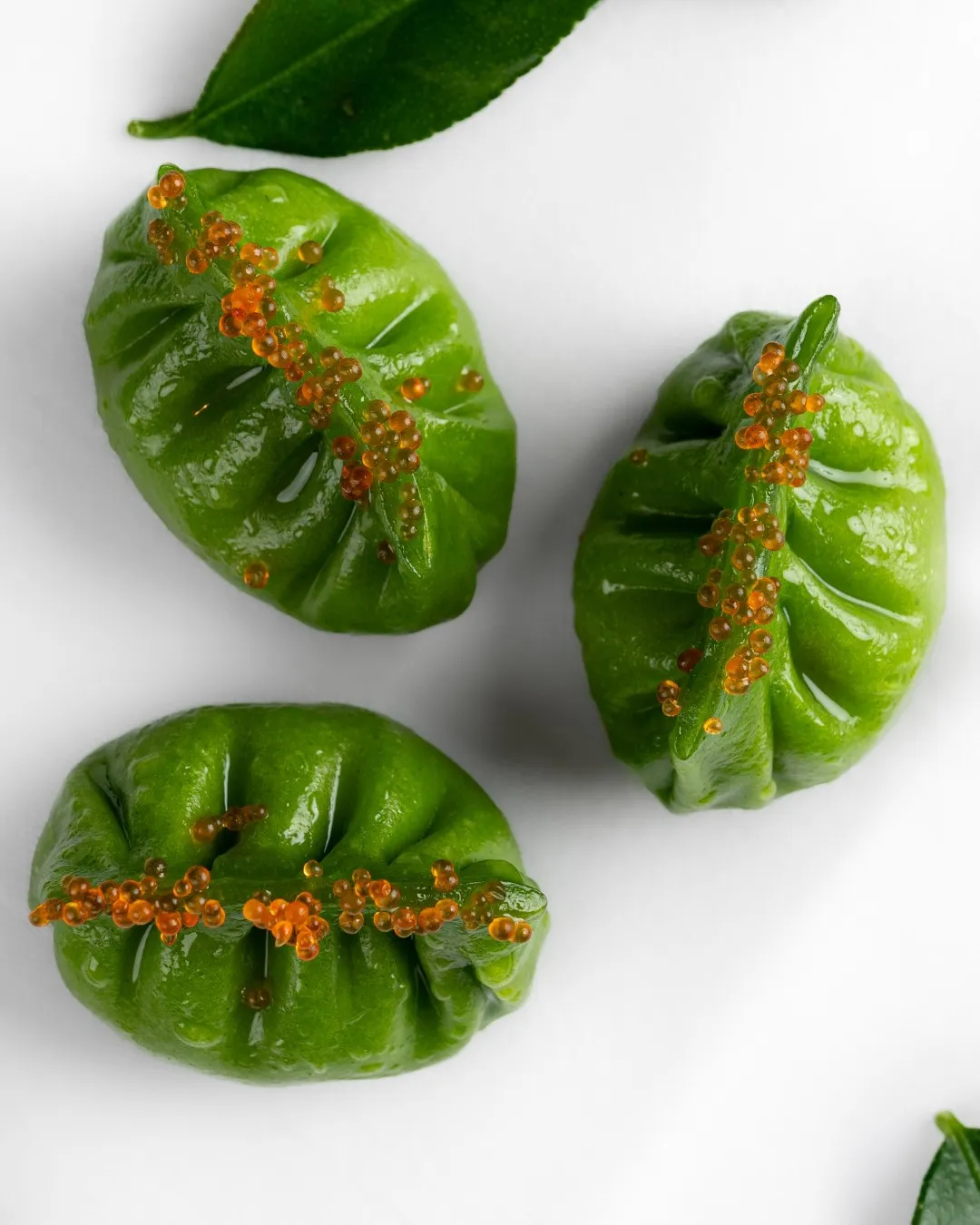
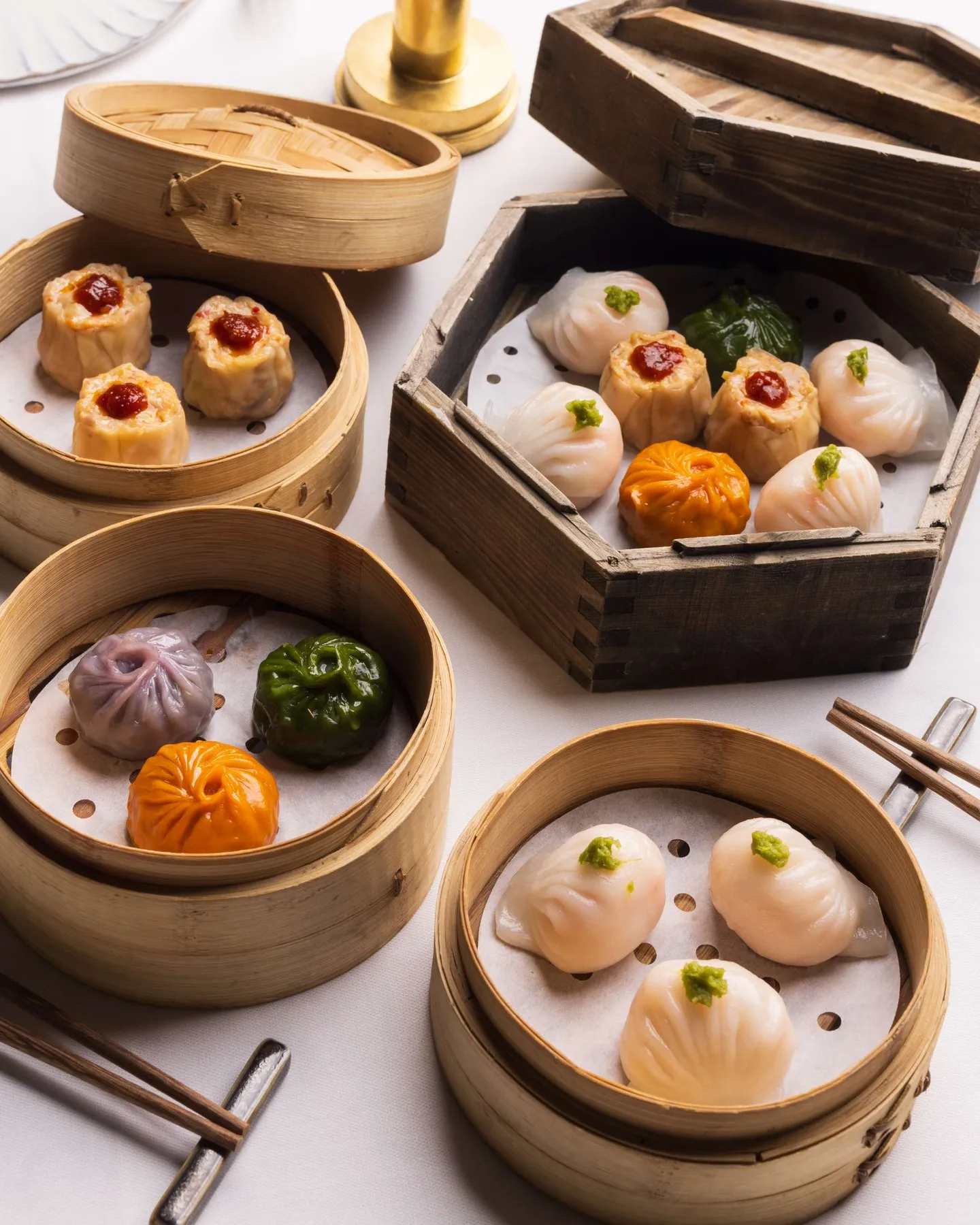
Traditional scenting is slow: fresh blossoms are layered with the tea overnight as they open, and the best grades repeat this over several nights. The result is floral but light, the natural partner for dim sum. Order a pot with Crystal Shrimp, the Kaffir Lobster Dumpling or Xiao Long Bao, whose thin wrappers would be lost under anything heavier. Our complete guide to dim sum in Jeddah explains the dumplings themselves.
What is milky oolong?
Milky oolong is an oolong with a naturally soft, creamy taste. It is usually made from Jin Xuan, a tea variety bred in Taiwan, and the name describes the flavour, not added milk.
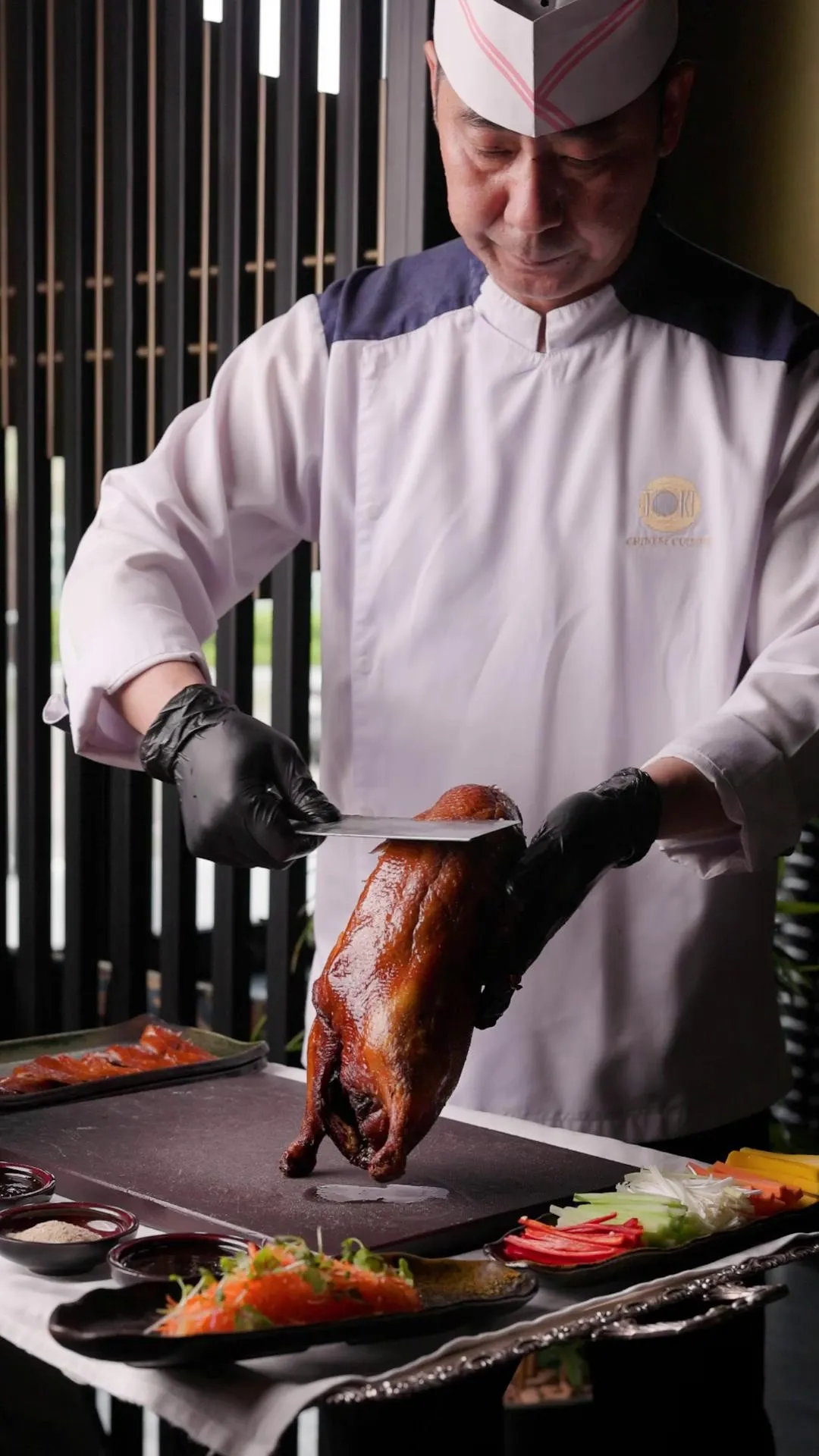
Toki’s is smooth and creamy with buttery notes. Oolong is a fixture of Cantonese tea houses, where it is drunk with roast meats, and it does the same job here: it softens rich fat without flattening the flavour. Pour it with the Szechuan Crispy Duck or the Toki Peking Duck.
Which teas at Toki are not Chinese?
Three of the nine come from other traditions. Ceremonial Matcha is Japanese, and English Breakfast and Earl Grey Royale are British-style blends of black tea.
Matcha is shade-grown green tea ground into a fine powder and whisked with water, so you drink the whole leaf. Whisked powdered tea was popular in China during the Song dynasty, but matcha as it is made today belongs to Japan, and “ceremonial” is the grade meant to be drunk on its own. Toki’s has a rich umami taste and a velvety finish, a good way to end a meal.
English Breakfast is a full-bodied, malty black tea blend, and Earl Grey is black tea flavoured with bergamot, a fragrant citrus. Both are British in style, although black tea itself was first made in China. English Breakfast stands up to the Black Pepper Wagyu Tenderloin, and Earl Grey’s citrus suits the Honey Black Pepper Lobster.
Which tea should I order with which dish?
Match the weight of the tea to the weight of the food: light, floral teas for steamed dishes, bolder teas for chilli and rich meat.
- Jasmine Dragon Pearl: steamed dim sum.
- Green Tea with Mint: fresh starters such as the Chicken Lettuce Wrap or Garden Green Salad.
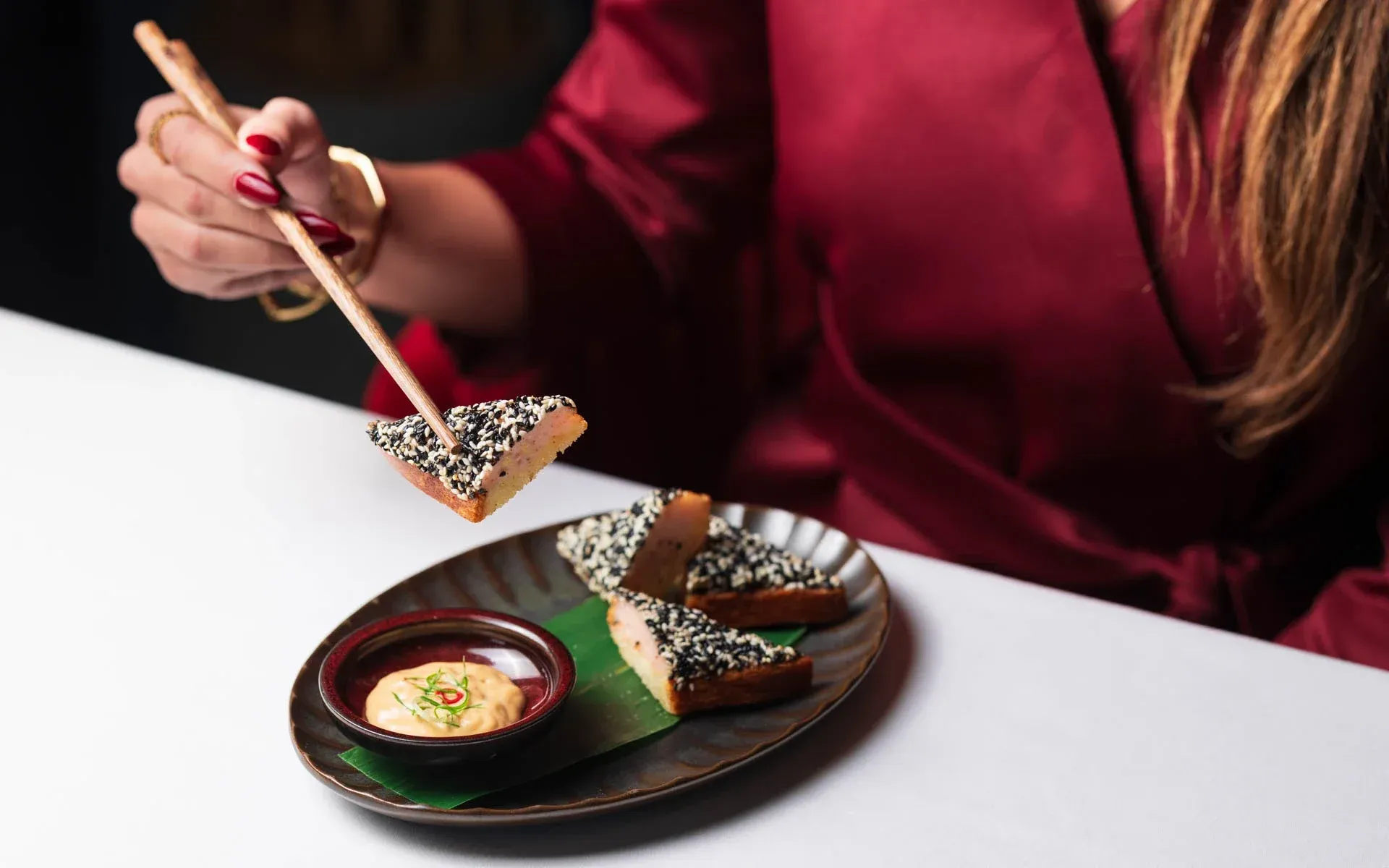
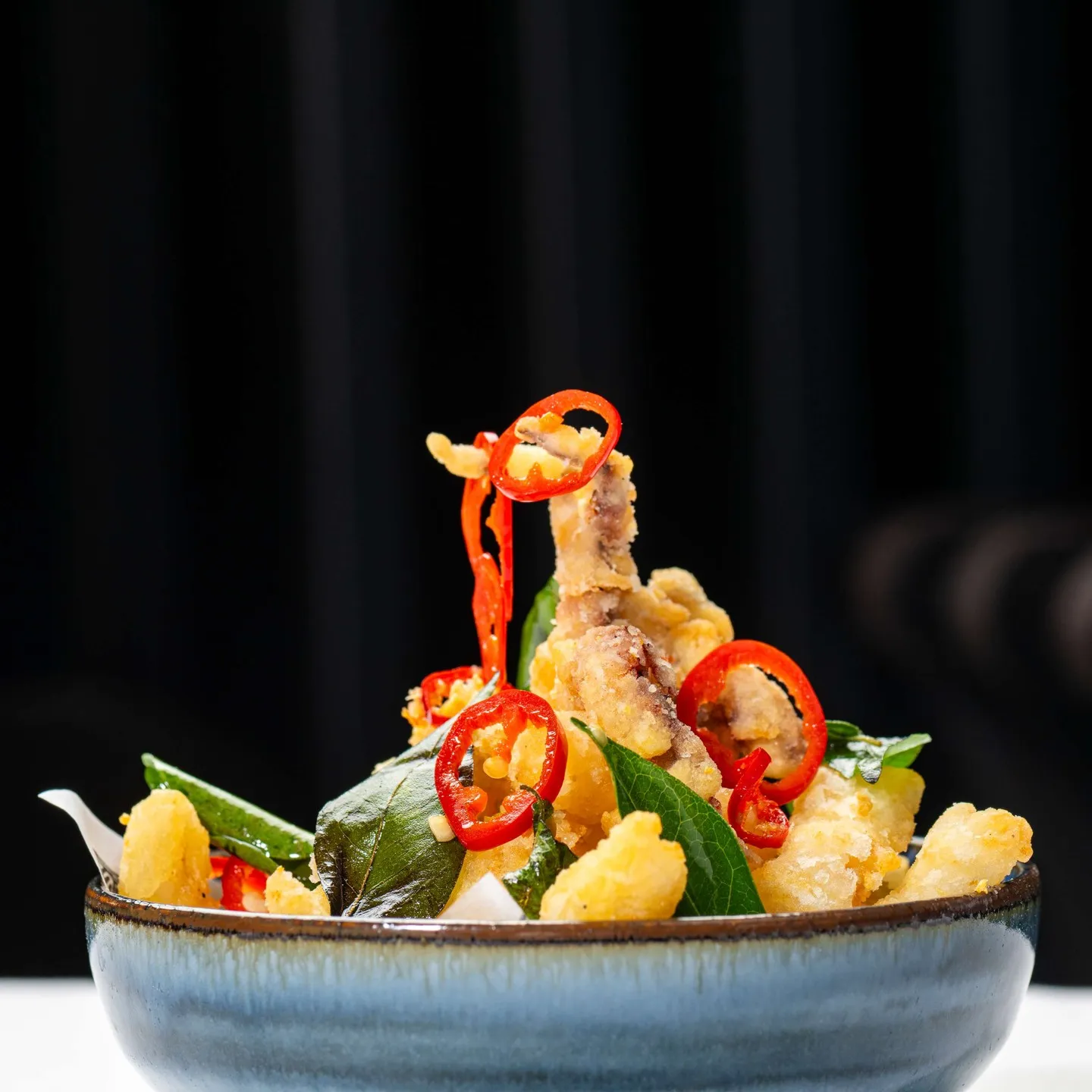
- Yuzu Honey: fried, salty starters such as Crispy Calamari or Sesame Prawn Toast.
- Gunpowder Green Tea: Szechuan dishes and anything with dried chilli.
- Milky Oolong: duck, especially Peking Duck.
- English Breakfast: Wagyu, Angus and short rib.
- Earl Grey Royale: lobster and prawn dishes with a sauce.
- Ceremonial Matcha or Chamomile: after the meal, when you want something calm.
If you would rather have something cold, the signature mocktails at SAR 55 follow the same logic.
Quick answers
How many teas does Toki serve?
Nine, each at SAR 28: Chinese green, jasmine and oolong teas, Japanese matcha, two British-style blends and herbal infusions.
What is the best Chinese tea with dim sum?
Jasmine tea. At Toki, order the Jasmine Dragon Pearl.
What else is on Toki’s drinks list?
Nine signature mocktails at SAR 55 each, from Jade Fizz to Dragon Sour.
Which teas have no caffeine?
Chamomile. Yuzu Honey lists only yuzu and honey on the menu; ask the team if you need to be certain.
See the full tea list on the Toki menu, then book your table. Toki is on King Abdulaziz Road in Al Khalidiyah, Jeddah.