What Is a Wok? Wok Hei, Stir Frying and Wok Cooking Explained
What a wok is, why it is curved and made of carbon steel, what wok hei means, and which dishes at Toki in Jeddah come to your table straight from the wok.
. 7 min read
A wok is a deep, round pan of thin metal, usually carbon steel, used in Chinese cooking for stir-frying, deep-frying, steaming, braising and smoking. Its curved shape and thin walls let a cook move food through very high heat in seconds, and that heat gives wok cooking its smoky flavour, known as wok hei.
At Toki, a Chinese restaurant in Al Khalidiyah, Jeddah, selected in the MICHELIN Guide Saudi Arabia, several dishes come straight from the wok. This guide explains how a wok works, what wok hei is and how stir-frying differs from deep-frying and steaming, then which Toki dishes to order to taste it.
What is a wok?
A wok is a deep, round-bottomed pan with high, sloping sides, used across China for almost every kind of cooking. Wok is the Cantonese name for it; in Mandarin it is called guo.
There are two common styles. The Cantonese wok has two small loop handles, one on each side. The northern style has one long handle, which makes it easier to toss food with one hand. Round-bottomed woks sit in a ring over a gas flame, while flat-bottomed woks are made for home stoves and electric hobs.
Why is a wok curved?
The curve gathers heat at the bottom, where food sears, and leaves the sides cooler, so the cook can push cooked food up the side while the rest keeps cooking. It also sends food sliding back to the centre every time it is tossed.
The shape helps in other ways too. A little oil pools at the bottom, so a stir-fry needs less of it. For deep-frying, the narrow base means less oil gives enough depth. And the wide top lets steam escape quickly, so food fries instead of stewing.
Why are woks made of carbon steel?
Carbon steel is thin, light and quick to heat, and it cools fast when the flame drops, so the cook controls the heat almost instantly. With use it builds up a dark, seasoned coating that keeps food from sticking.
That coating forms when thin layers of oil are heated onto the metal until they harden. Cast iron woks hold heat well but are heavy and slow to respond. Non-stick pans are not made for the very high, dry heat that wok cooking needs.
What is wok hei?
Wok hei is Cantonese for the breath of the wok: the smoky, slightly charred aroma that food picks up when it is cooked fast in a very hot wok. It is the flavour that marks good fried rice, stir-fried noodles and beef.
Part of it comes from browning: at very high heat, the surface of meat, noodles and sauce caramelises in seconds. Part comes from the flame itself. When a cook tosses food above a powerful burner, tiny drops of oil catch fire for an instant and add a light smokiness. That is why restaurant cooks flip food through the fire.
Wok hei needs a very hot wok, dry ingredients, small amounts at a time and constant movement. That is also why restaurant stir-fries are hard to copy at home, where burners are far weaker. Cantonese cooks prize it most, as Cantonese cuisine explained shows.
How is stir-frying different from deep-frying and steaming in a wok?
Stir-frying cooks small pieces fast in a little oil over high heat, with constant tossing. Deep-frying cooks food submerged in hot oil until it is crisp. Steaming cooks food gently in bamboo baskets set over simmering water in the wok.
- Stir-frying: chao in Mandarin. Ingredients are cut small and even, aromatics such as garlic, ginger and spring onion go in first, then meat, then vegetables, with the sauce at the end. Most stir-fries take only a few minutes.
- Deep-frying: gives a crisp coating. In many Cantonese dishes it is the first step: the food is fried until crisp, then tossed in the wok with seasonings, as in salt and pepper prawns or crispy chili beef.
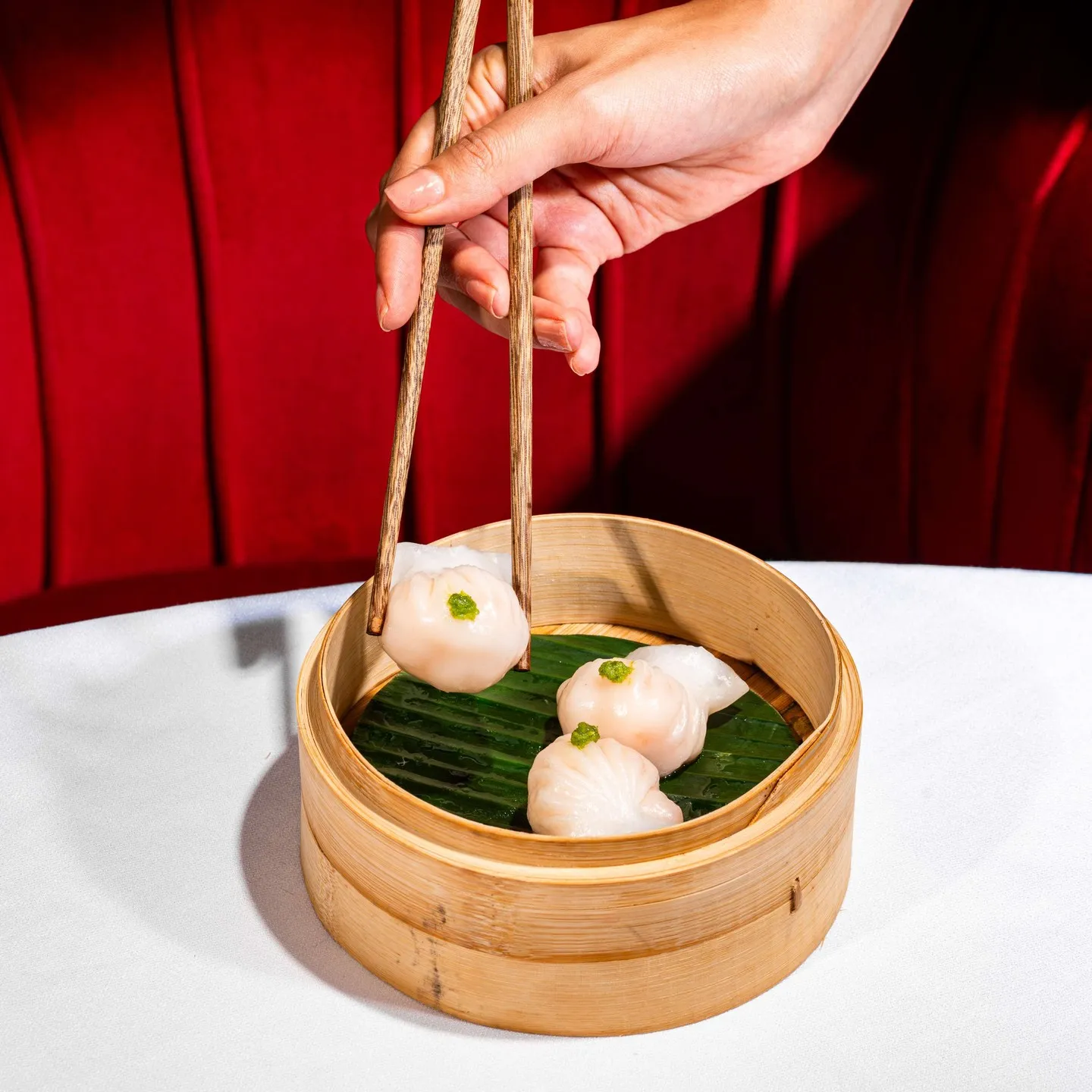
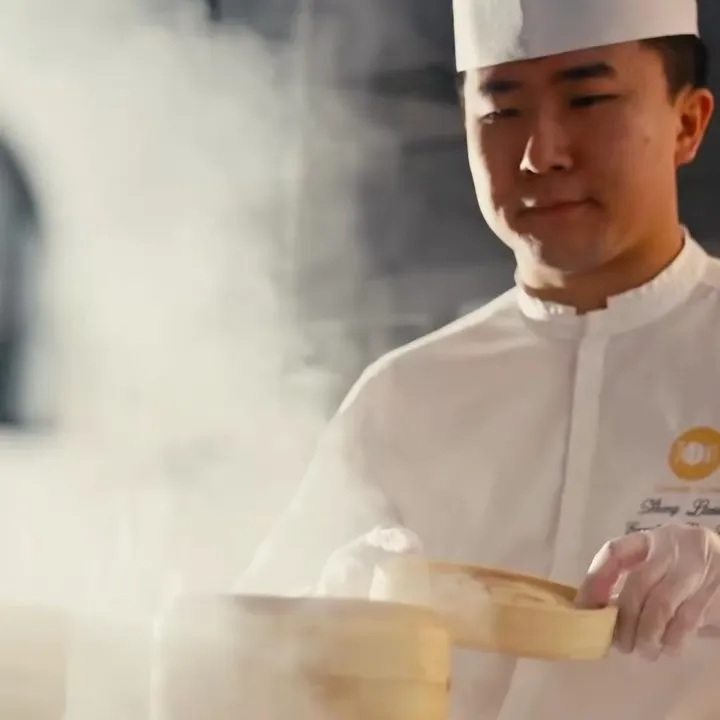
- Steaming: bamboo baskets stack over the water in the wok, and the steam cooks food gently and keeps it moist. Dim sum and whole fish are often steamed.
- Braising and smoking: with a lid, the same pan simmers meat slowly in sauce or smokes food over tea leaves and sugar.
Why does high heat matter in wok cooking?
High heat browns food before it can release its juices and start to stew. That keeps meat tender, keeps vegetables bright and crisp, and gives the smoky edge of wok hei.
In a pan that is not hot enough, the first ingredients release water, the temperature drops and everything simmers in its own liquid. A properly hot wok drives that moisture off at once, so the food sears. It is also why everything is cut and ready before cooking starts: once the wok is hot, there is no time to stop.
Do Cantonese and Szechuan cooks use the wok differently?
Both depend on the wok, but for different ends. Cantonese cooks use it to keep fresh ingredients bright, with light seasoning and the smoky note of wok hei. Szechuan cooks often start by frying dried chilies and Szechuan peppercorns in oil, so heat and a numbing tingle run through the whole dish.
For the full comparison, read Cantonese vs Szechuan food, and for the hotter side, Szechuan food explained.
Which Toki dishes come from the wok?
Toki’s menu lists two stir-fried dishes, the Salt & Pepper Tiger Prawns and the Stir-fried Green Bean with Angus Beef, and Toki’s Instagram shows the Sweet and Sour Chicken and the Black Bean Angus coming from the wok.
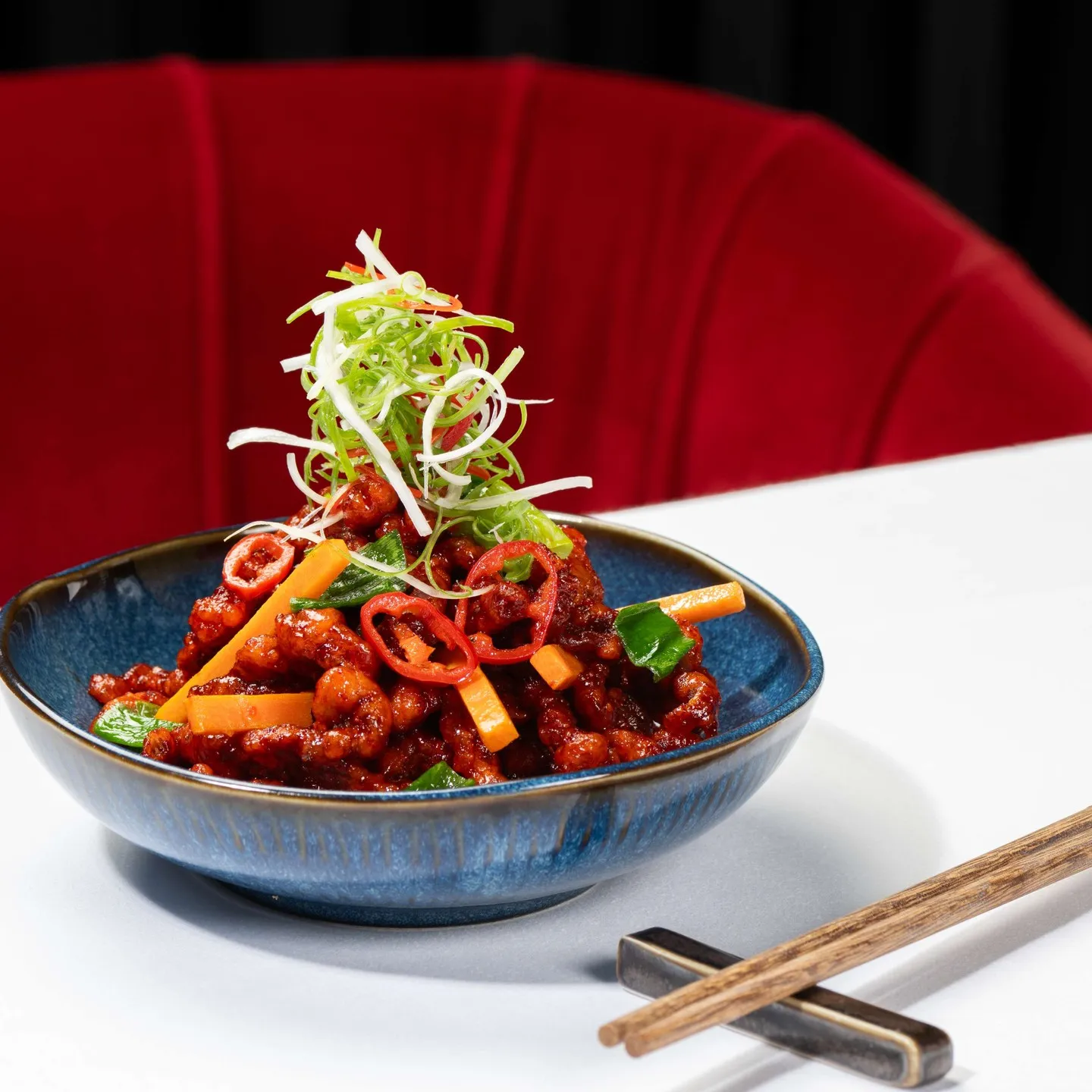
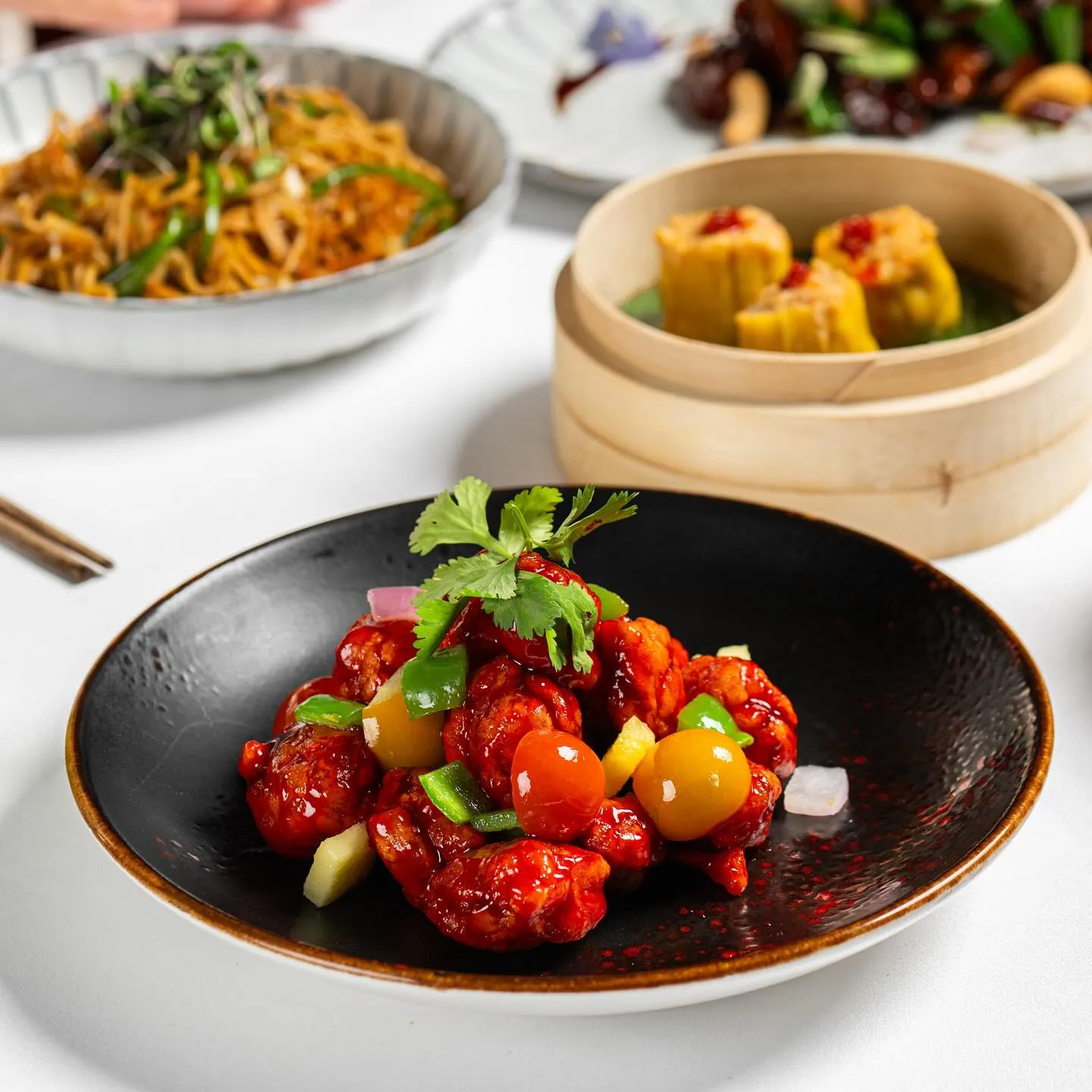
Sweet and Sour Chicken brings together chicken, pineapple, bell peppers and sweet and sour sauce. A reel on Toki’s Instagram shows it in a flaming wok, “straight from the wok, tossed, glazed, and ready for the table”.
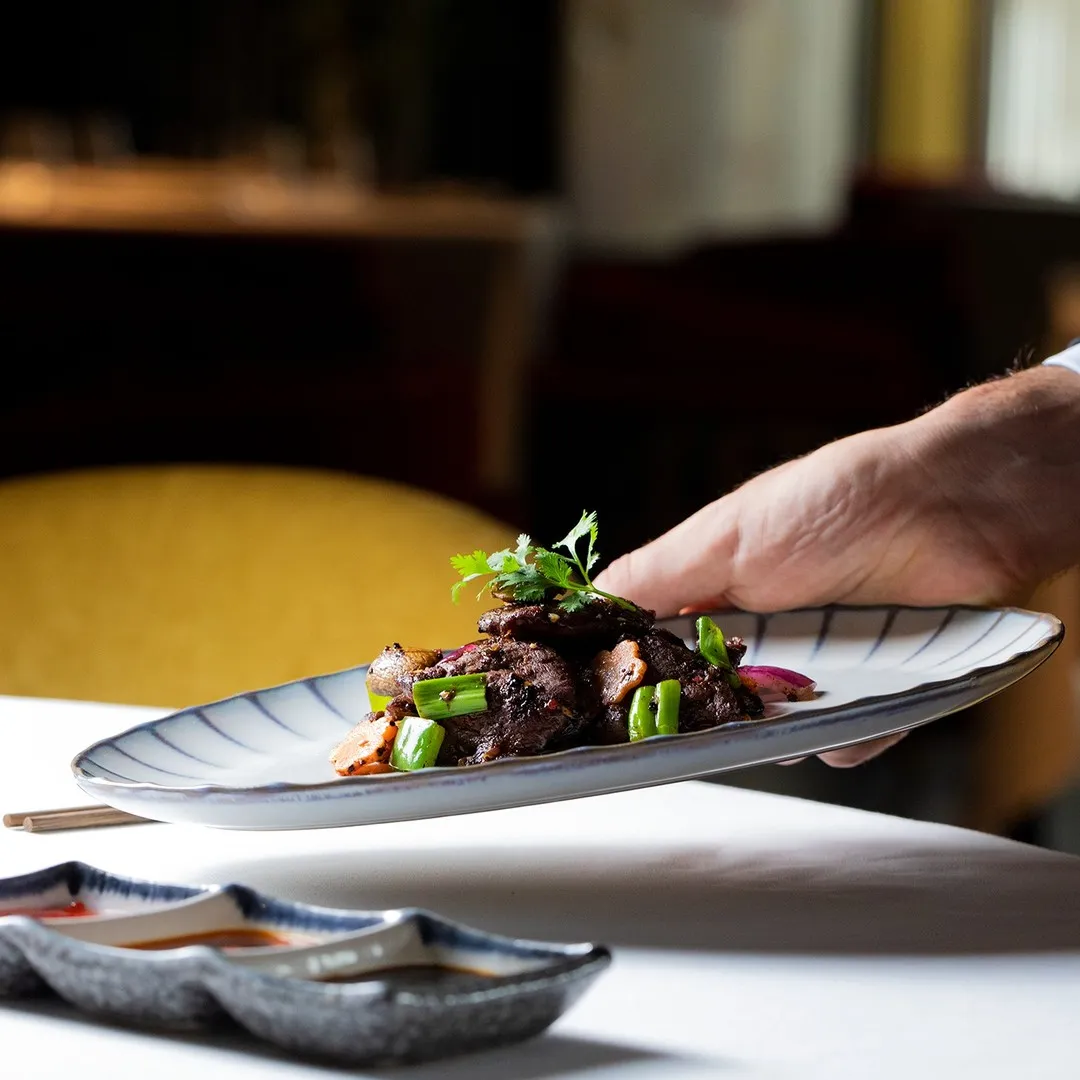
Black Bean Angus combines beef, mushroom, green capsicum and black bean sauce. Another reel follows the dish from the heat of the wok to the final plate.
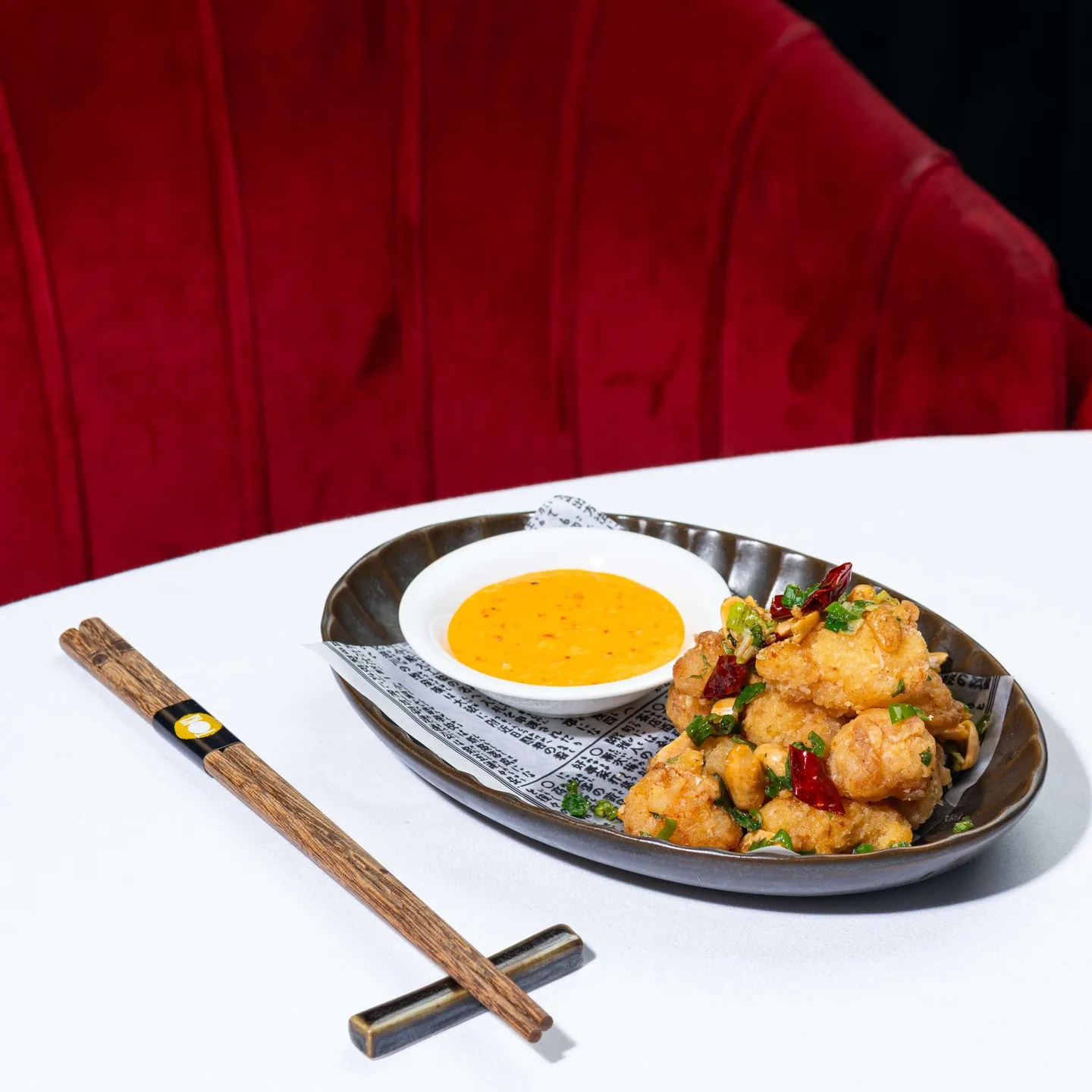
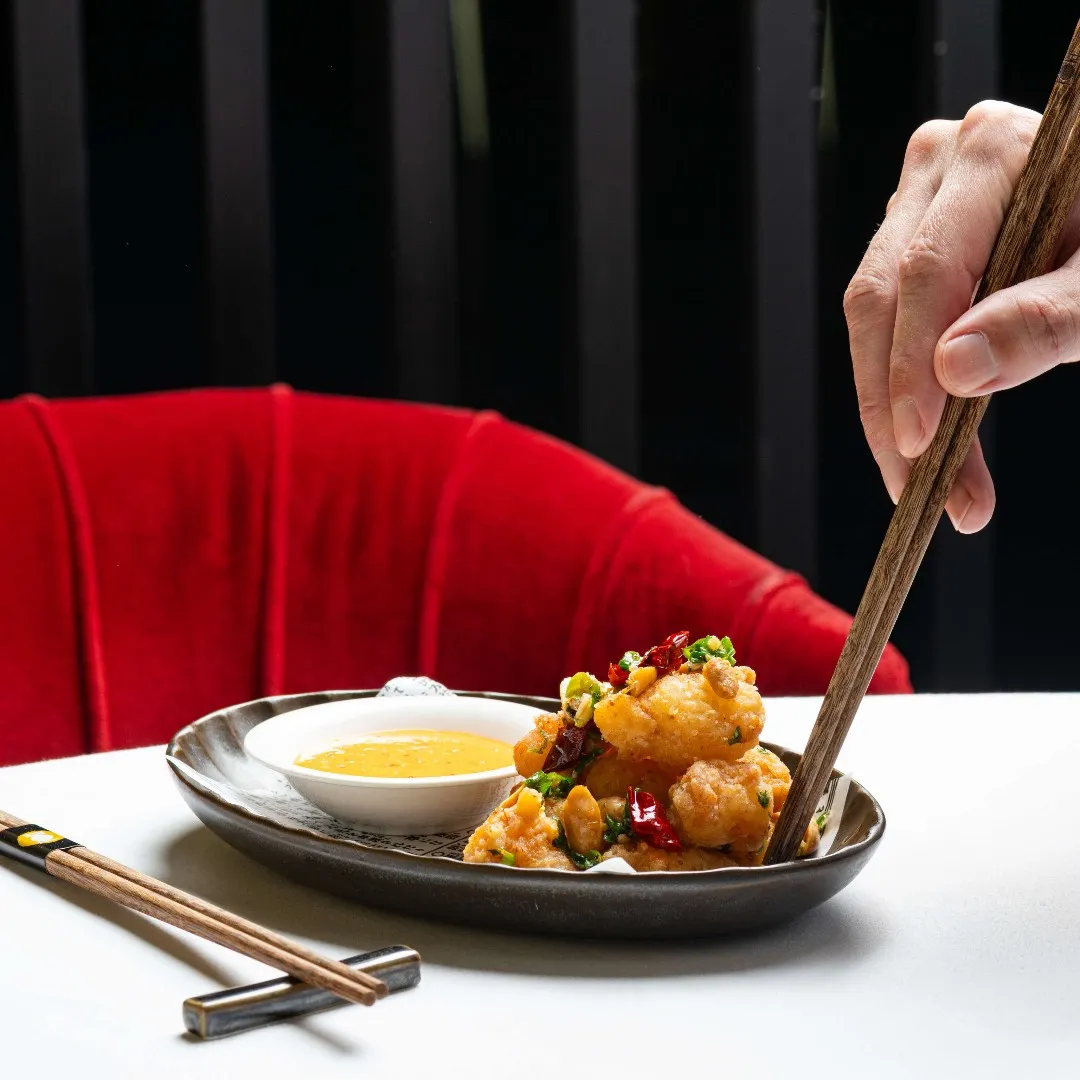
Salt & Pepper Tiger Prawns are, in the menu’s words, crispy tiger prawns stir fried with dry chili, spring onion and Chinese spices. That follows the Cantonese salt and pepper method, where seafood is fried until crisp, then tossed in the wok with the seasonings. Peanuts are on its allergen list.
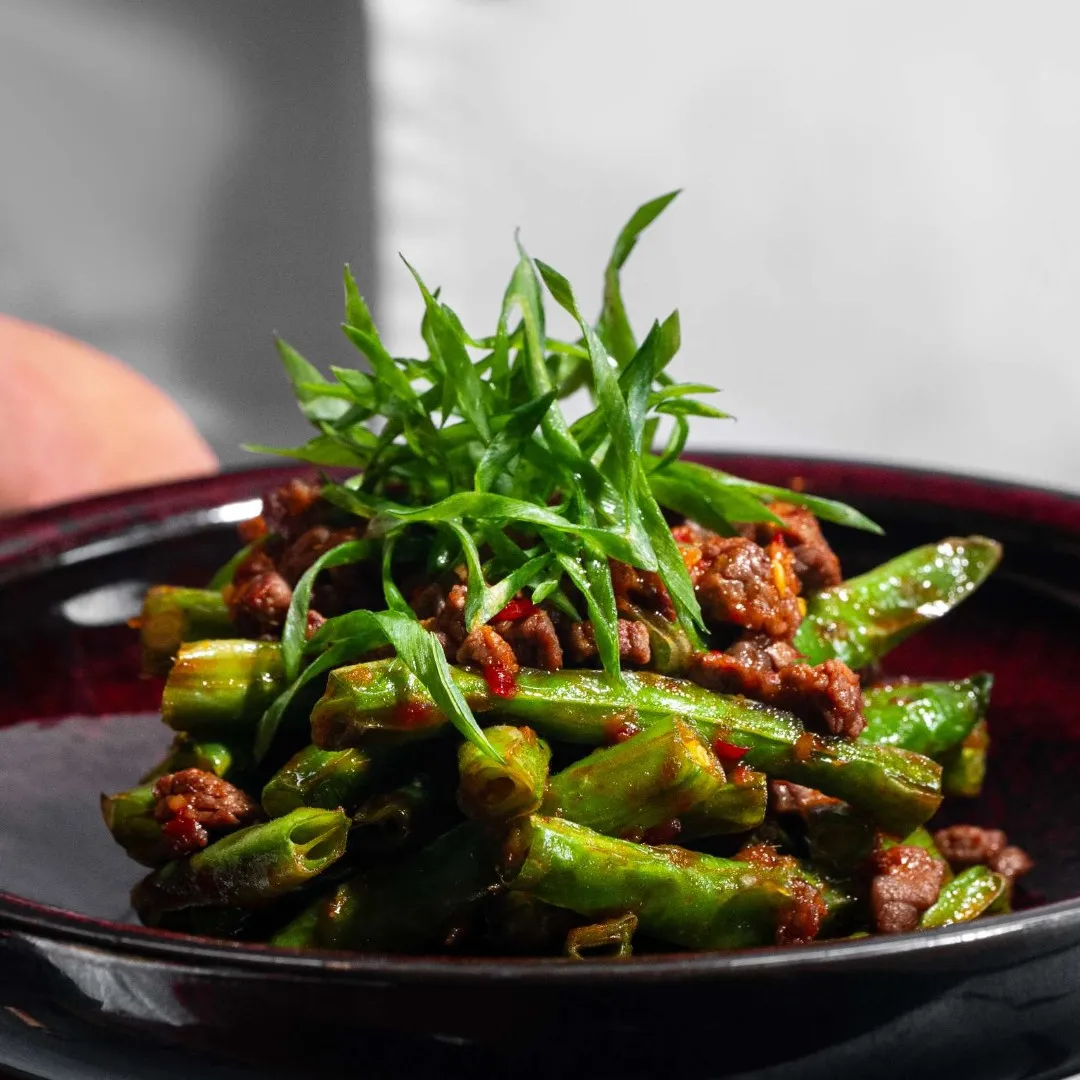
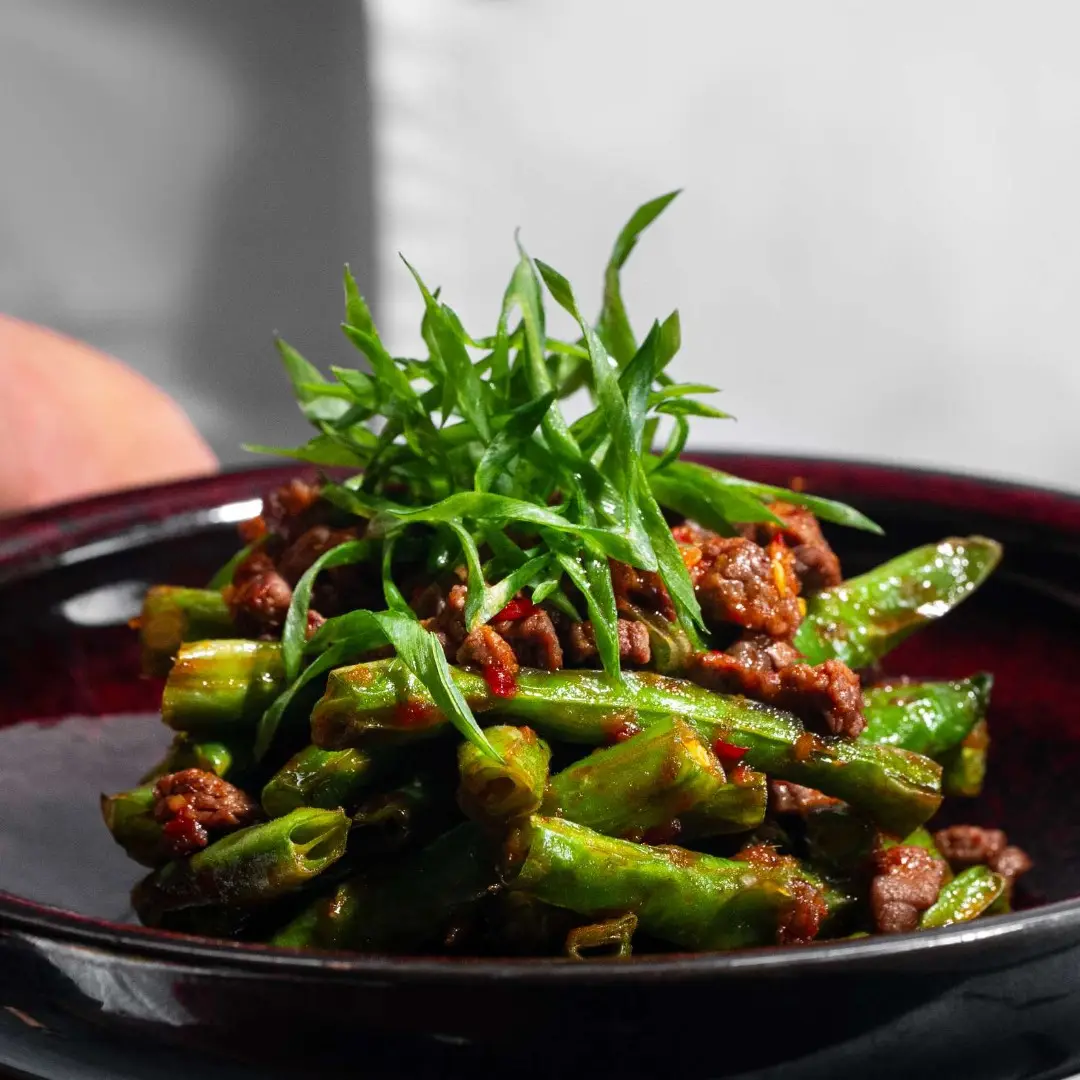
Stir-fried Green Bean with Angus Beef puts green beans and Angus beef in a sweet chili sauce. It is new to the menu, and its name tells you how it is cooked.
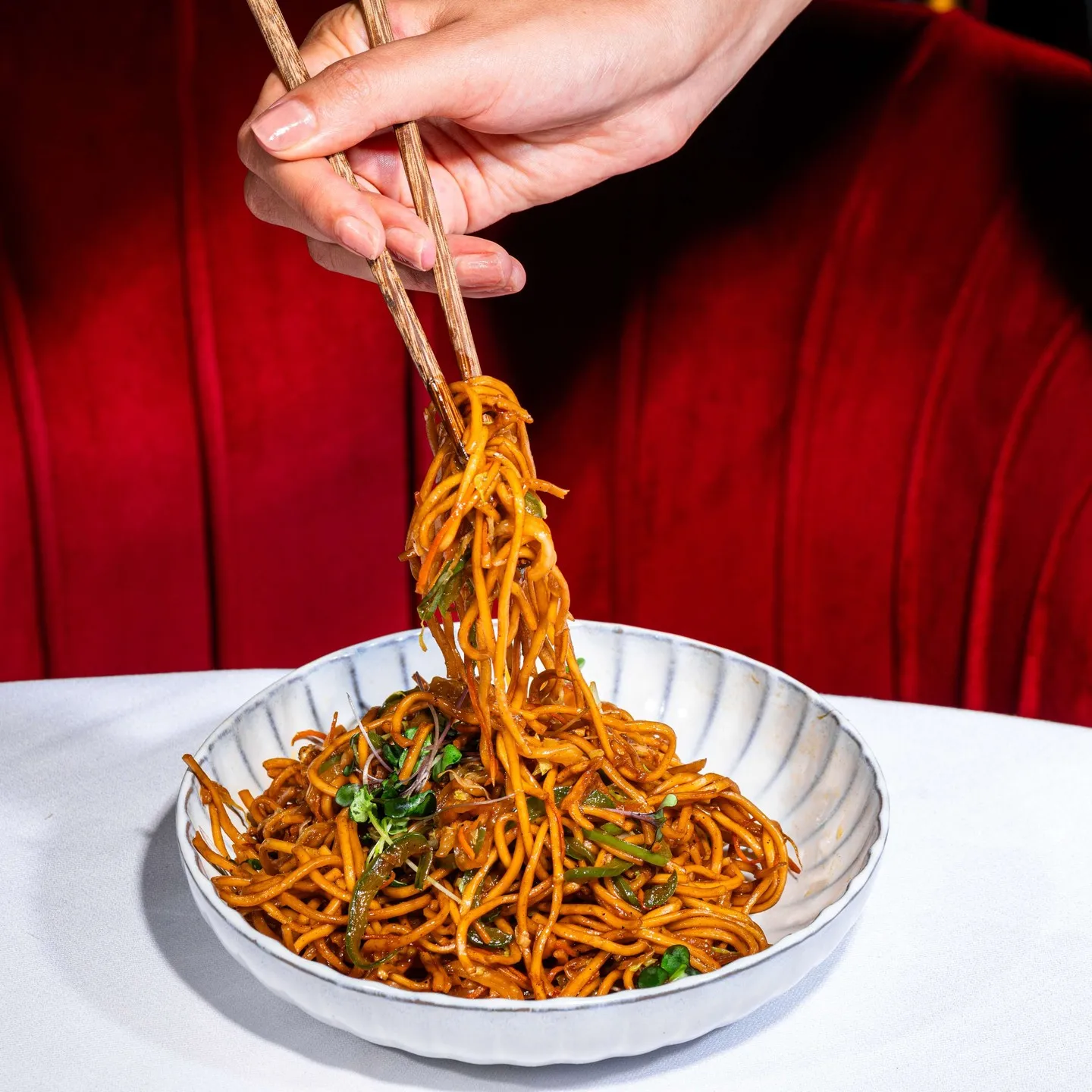
Two more dishes get a wok mention on Toki’s Instagram: the Crispy Szechuan Angus Beef, described as wok-tossed with chili and spring onion, and the Vegetable Noodles, described as full of wok-fired flavour. For more on Toki’s beef, read wagyu beef explained, and for noodles, Chinese noodles explained. See current prices on the menu.
How should you order wok dishes at Toki?
Balance a wok-fried dish with something steamed and something plain, such as soft dim sum and a bowl of rice.
For two, that could be a round of steamed dim sum, the Salt & Pepper Tiger Prawns, the Black Bean Angus and a Vegetable Fried Rice. If you avoid chilli, note that all four wok dishes above list it among their allergens, so tell your server.
Where can you eat wok-fried dishes in Jeddah?
At Toki, on King Abdulaziz Road in Al Khalidiyah, Jeddah, where the Salt & Pepper Tiger Prawns, the Black Bean Angus and the Sweet and Sour Chicken all come from the wok.
See opening hours and directions, book your table online or call reservations on 050 466 5658.
Quick answers
What does wok hei mean?
It is Cantonese for the breath of the wok: the smoky, lightly charred aroma food gets from fast cooking in a very hot wok.
What is the best material for a wok?
Carbon steel, for most cooks. It heats and cools quickly and becomes naturally non-stick as it is seasoned.
Which Toki dishes are stir fried?
The menu lists the Salt & Pepper Tiger Prawns and the Stir-fried Green Bean with Angus Beef as stir fried, and Toki’s Instagram shows the Sweet and Sour Chicken and the Black Bean Angus coming from the wok.
Is Toki halal?
Yes. Toki runs a halal kitchen.